A World-First Data Sharing Initiative
Ukraine has taken an unprecedented step in modern warfare by opening its battlefield artificial intelligence data to allied nations. The move represents the first time a country actively engaged in combat has shared real-world military AI datasets with partners, offering allies invaluable data gathered from one of the most technologically advanced conflicts in history.
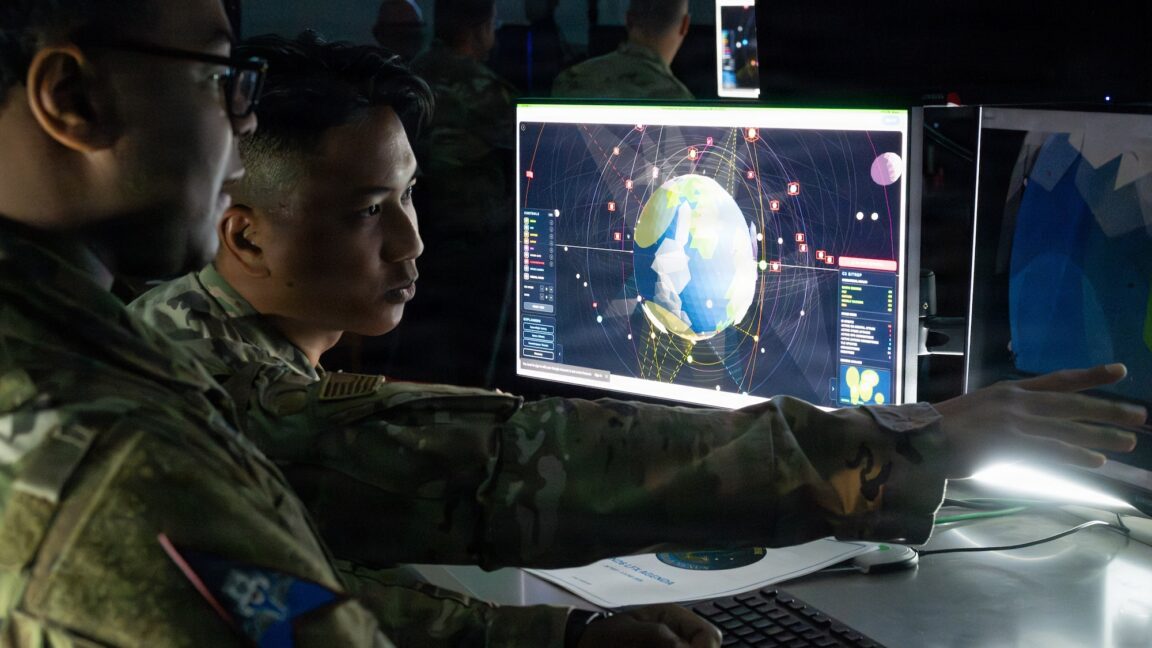
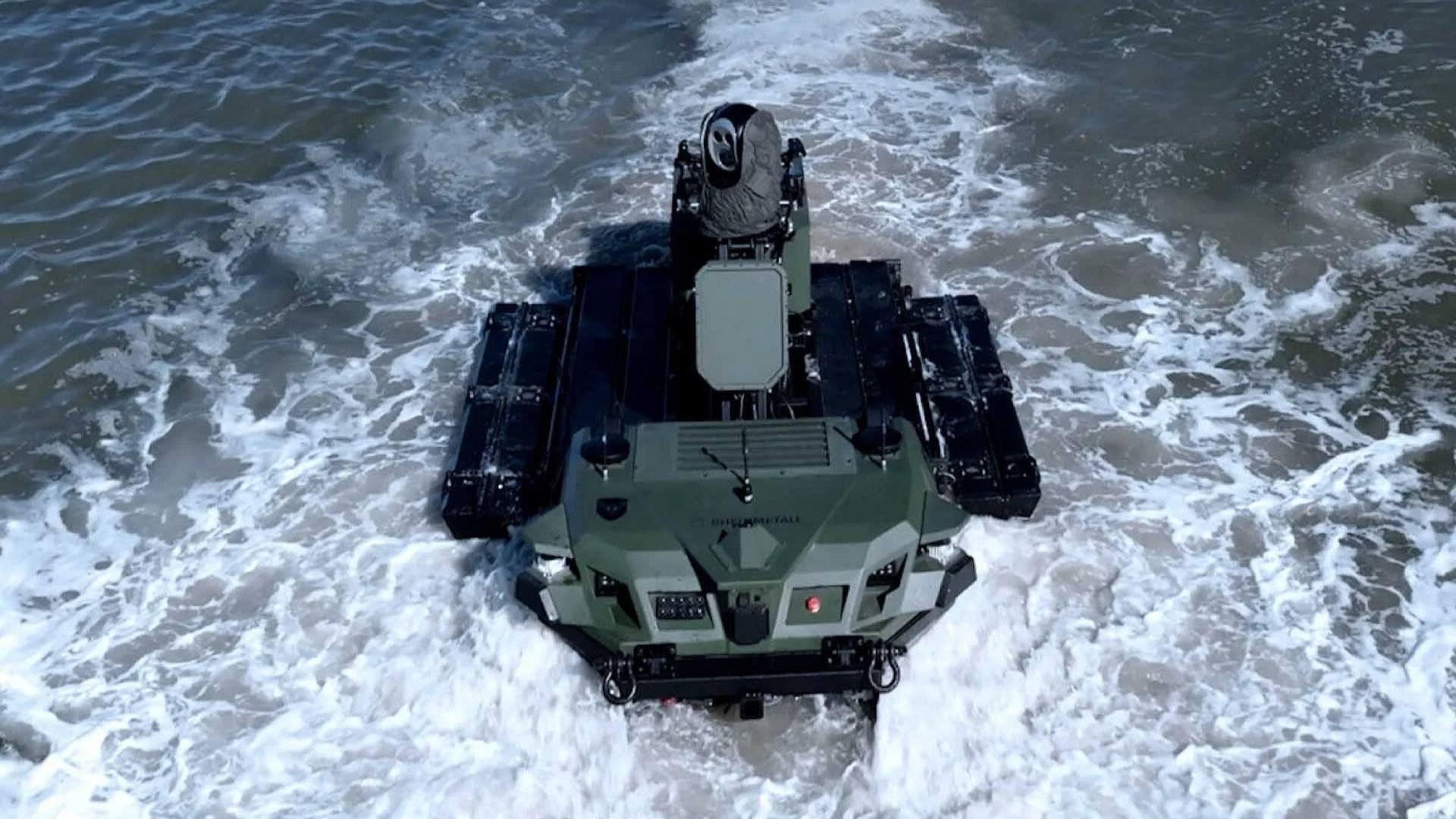
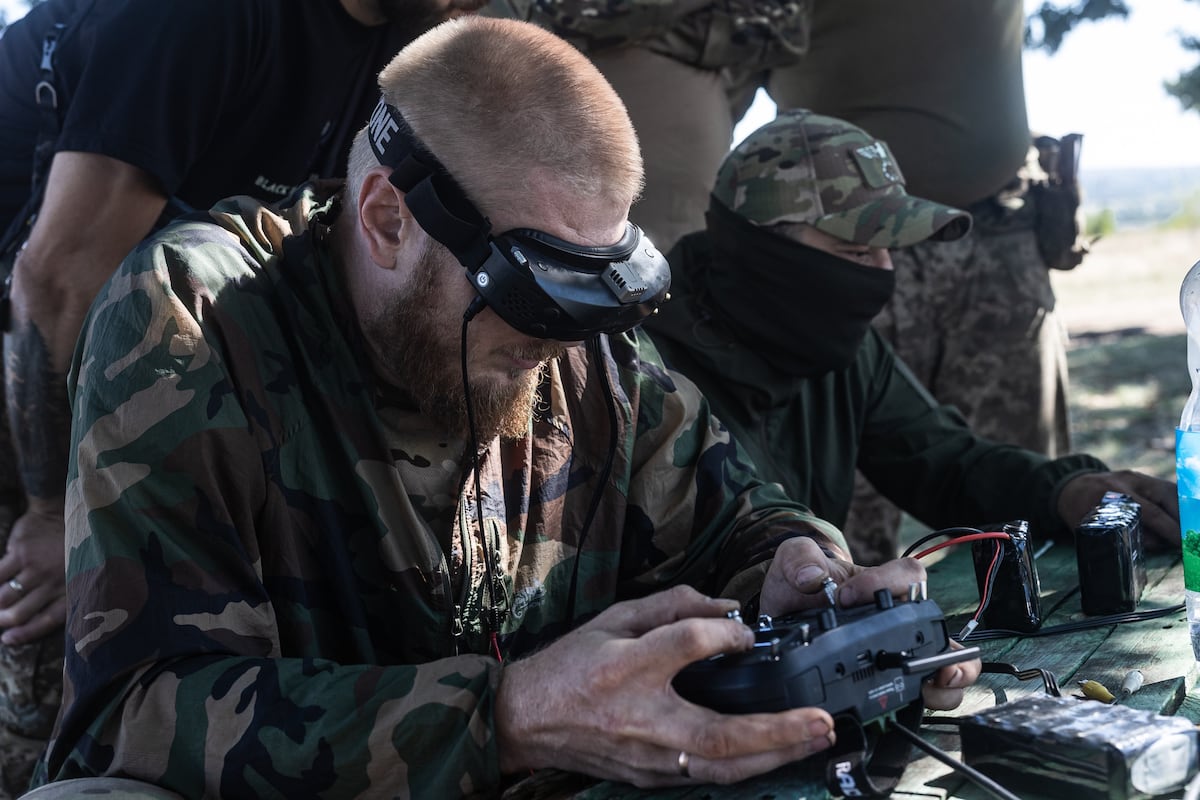
The data sharing initiative encompasses information gathered from Ukraine's extensive use of AI-powered systems across multiple domains of the battlefield, including drone operations, electronic warfare, intelligence analysis, and logistics optimization. Ukrainian forces have been early and aggressive adopters of AI technology, driven by necessity against a numerically superior adversary.
The Value of Combat-Tested Data
Military AI systems, like all machine learning applications, are only as effective as the data they are trained on. While allied nations have invested heavily in developing military AI capabilities, most of their training data comes from simulations, exercises, and historical records. Ukraine's offering is qualitatively different because it comes from actual combat operations conducted at scale over an extended period.
The datasets include information about how AI-assisted targeting systems perform in contested electromagnetic environments, how computer vision algorithms handle the visual complexity of real battlefields, and how predictive analytics tools perform when applied to actual enemy behavior patterns. This type of ground truth data is extraordinarily difficult to replicate in any training environment, no matter how sophisticated.
For Ukraine's allies, access to this data could accelerate the development and refinement of their own military AI systems by years. Rather than relying on theoretical models and simulated scenarios, defense researchers can validate their algorithms against real-world performance data, identifying failure modes and edge cases that would otherwise remain hidden until actual combat deployment.

Interoperability and Coalition Warfare
Beyond the immediate research value, the data sharing initiative addresses a growing concern in NATO and allied planning: AI interoperability. As multiple nations develop their own military AI systems independently, the risk of incompatible systems and conflicting algorithmic assumptions grows. Shared training data helps ensure that allied AI systems can work together effectively in coalition operations.
The initiative also establishes frameworks for ongoing data exchange between Ukrainian forces and their partners. As the conflict evolves and new tactical situations arise, the continuous flow of updated data ensures that allied AI systems can adapt to emerging threats and techniques rather than training against outdated scenarios.
Strategic Implications
Ukraine's decision to share this data carries significant strategic implications. It deepens Ukraine's integration with Western defense establishments and creates mutual dependencies that reinforce alliance commitments. Allied nations that build AI systems trained on Ukrainian data develop a direct stake in maintaining the flow of information and supporting Ukraine's continued ability to generate it.
The move also positions Ukraine as a leader in practical military AI application, a status that could translate into long-term defense industry partnerships and technology transfer agreements. Several Ukrainian defense technology companies have emerged from the conflict with battle-tested products that are attracting attention from allied military procurement offices.
For adversaries, the data sharing initiative complicates strategic calculations. AI systems trained on authentic combat data are likely to be more effective than those trained solely on simulations, meaning that the practical advantages Ukraine has developed in military AI could rapidly proliferate across the alliance.
Ethical and Security Considerations
The initiative is not without challenges. Sharing battlefield data requires careful sanitization to protect operationally sensitive information, intelligence sources, and the identities of individuals captured in surveillance imagery. Establishing the necessary data governance frameworks while maintaining the speed and volume of sharing that makes the data valuable is a complex undertaking.
International legal scholars are also examining the implications of AI training data that includes information from active combat zones, particularly regarding the laws of armed conflict and the requirements for human control over lethal autonomous systems. The datasets shared by Ukraine will likely inform ongoing international discussions about the regulation of military AI.
This article is based on reporting by Defense News. Read the original article.
Originally published on defensenews.com