Stockholm chooses speed and air defense in a major naval reset
Sweden has selected French-built FDI frigates from Naval Group for its next major surface combatant program, opting against competing British-Swedish and Spanish proposals in what officials described as the country’s largest defense acquisition since the early 1980s. The decision sets up negotiations for four new Luleå-class frigates and marks a major expansion of Swedish naval capability at a time of heightened concern over regional missile threats.
The announcement was made aboard the Visby-class corvette HMS Härnösand by Prime Minister Ulf Kristersson and senior defense leaders. The four future frigates will be substantially larger than the five corvettes that currently form the core of Sweden’s surface fleet, signaling a shift toward a more capable and survivable navy.
Why Sweden chose the French design
According to the source text, the government gave three main reasons for selecting the French offer over the bids involving Babcock and Saab as well as Spain’s Navantia. The article excerpted one directly: the FDI can be delivered quickly, an important factor given Sweden’s current security environment. That speed is not a minor procurement detail. It reflects the urgency with which Stockholm is treating maritime air defense and fleet modernization.
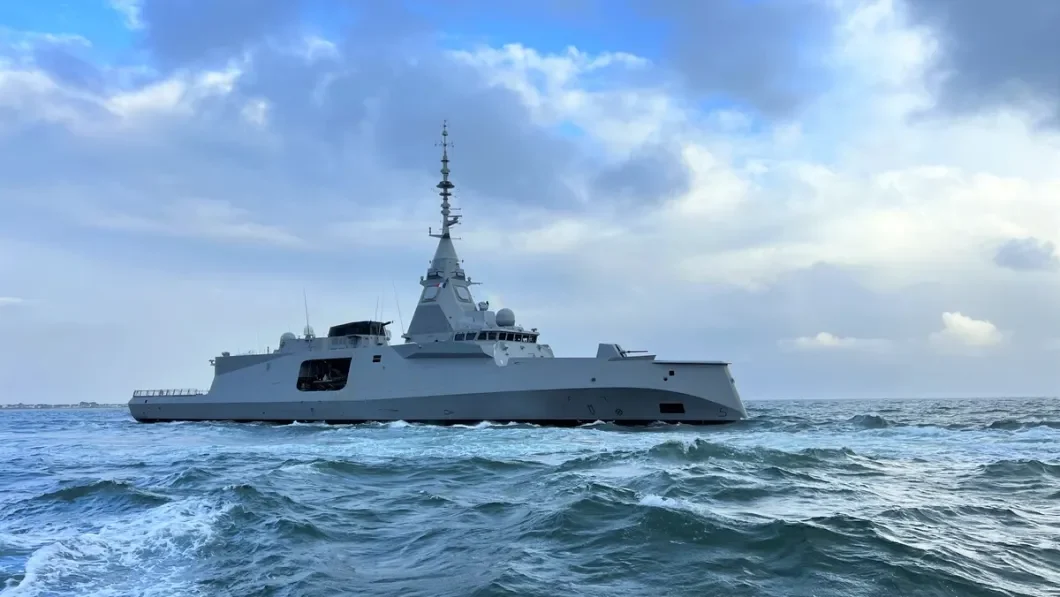
The chosen platform is Naval Group’s 4,600-ton, 122-meter FDI, or Frégate de Défense et d’Intervention, a multi-mission frigate built for anti-ship, anti-air and anti-submarine operations. The lead ship of the class, Amiral Ronarc’h, was delivered to the French Navy in October 2025 after successful sea trials, giving the design a near-term production basis rather than a purely paper concept.
Missile defense is central to the decision
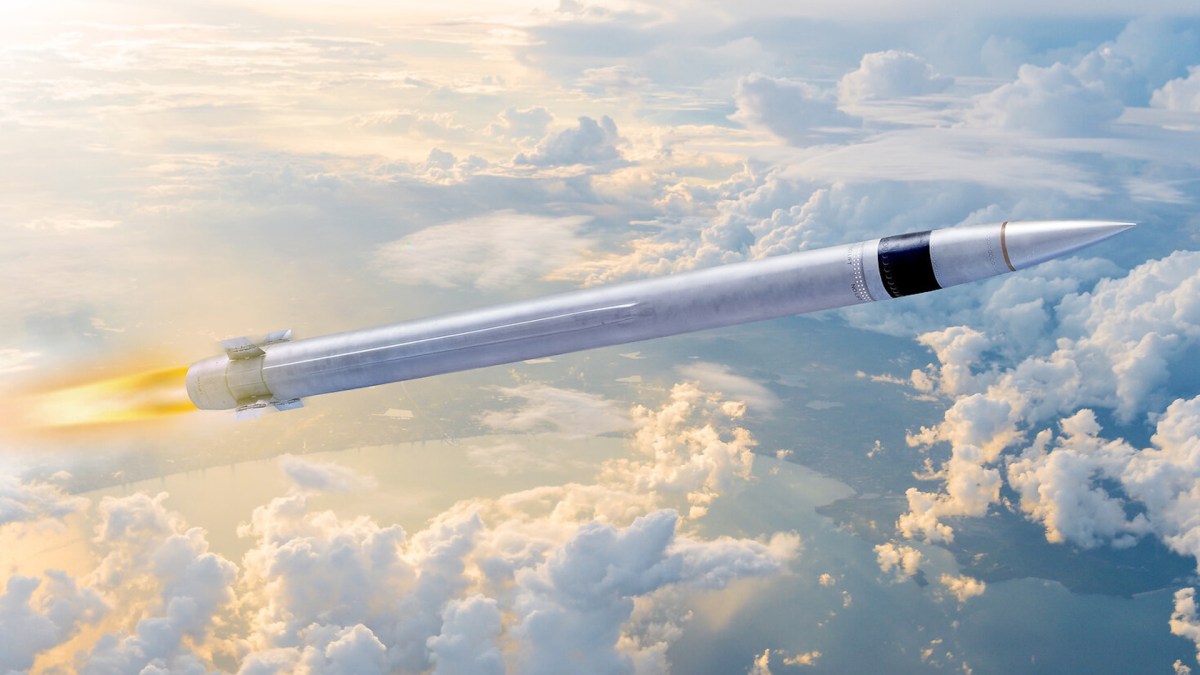
The most striking operational rationale is air and missile defense. Sweden says the new frigates will carry the MBDA Aster 30 long-range air defense system, which the government says can intercept ballistic missiles. Defense Minister Pål Jonson linked the purchase directly to increased Russian ballistic missile production over the last year and said Sweden’s capability in this area would triple with the acquisition.
That statement frames the frigate buy not as a general fleet renewal but as a response to a specific threat environment. In northern Europe, naval air defense is increasingly tied to broader deterrence and homeland protection. A ship that can contribute to ballistic missile defense offers more than traditional escort value. It becomes part of a layered national and regional defensive architecture.
The Swedish ships will also carry the medium-range MBDA CAMM-ER system for defense against combat aircraft, cruise missiles and drones. Together, Aster 30 and CAMM-ER would give the frigates a significantly more robust air-defense role than Sweden’s current corvette-centered fleet can provide.
A change in fleet scale and ambition
Sweden’s current naval force is built around the stealthy Visby-class corvettes, optimized for littoral operations and lower signatures. The future Luleå-class frigates point to a broader concept of operations. Larger hulls can carry more missiles, sensors, endurance and command capability. They also better support sustained anti-submarine and area-defense missions in the Baltic and beyond.
That matters in the context of Sweden’s evolving defense posture. Since joining NATO, Stockholm’s maritime responsibilities have become more tightly linked to allied planning and regional reinforcement routes. A more capable frigate fleet improves not only national defense but Sweden’s contribution to coalition naval operations.
The industrial and political significance
The decision is also a significant industrial and political signal. Sweden chose a French platform over a bid tied to domestic champion Saab in partnership with Britain’s Babcock. That indicates capability and delivery timing outweighed the appeal of a closer local-industrial arrangement, at least in this case.
For France and Naval Group, the selection reinforces the export momentum of the FDI design, especially in Europe. For Sweden, it reflects a willingness to procure a mature foreign solution when threat timelines demand it. In an era of accelerated rearmament across Europe, industrial policy still matters, but so does getting ships into service soon enough to matter.
What comes next
The government has announced its intent to negotiate rather than a finalized contract. As with most major defense programs, precise configuration, delivery schedule, industrial workshare and cost details will matter in the next phase. Still, the political choice is now clear. Sweden wants large, missile-capable frigates, and it wants them based on the French FDI platform.
If the program proceeds as planned, the acquisition will reshape the Swedish Navy for decades. It will also reinforce a wider European trend: naval procurement is increasingly being driven by integrated air and missile defense demands rather than by traditional peacetime patrol requirements alone.
In that sense, Sweden’s frigate choice is not just about replacing ships. It is about adapting the fleet to a security environment in which drones, cruise missiles and ballistic threats are all part of the same operational picture. The FDI won because it fit that picture best, and because Sweden judged it could arrive in time.
This article is based on reporting by Breaking Defense. Read the original article.

Originally published on breakingdefense.com