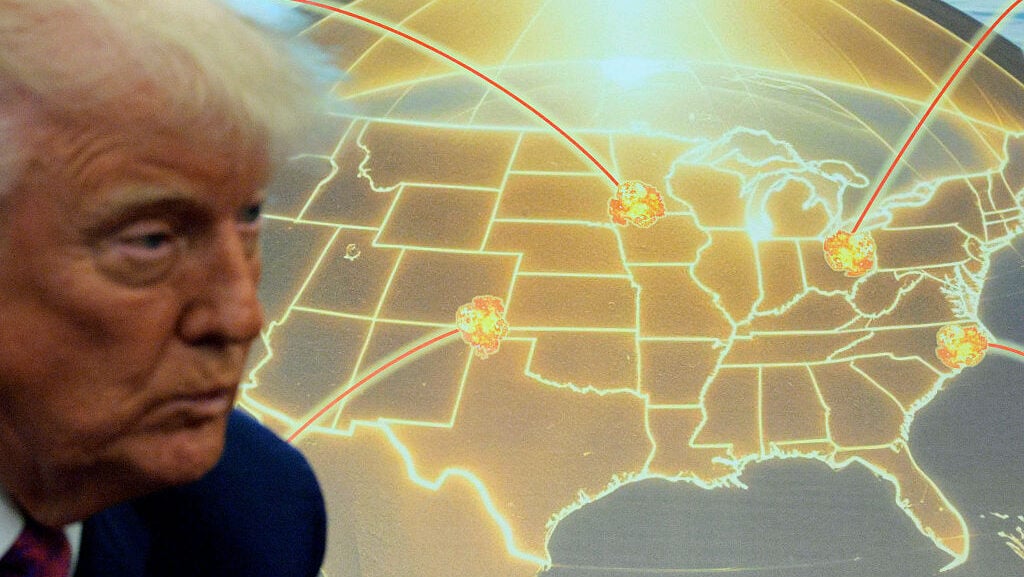
An ambitious missile-defense concept moves into industry prototyping
The U.S. Space Force has named the companies selected to support one of the most controversial and technically ambitious parts of President Donald Trump’s Golden Dome missile-defense plan: space-based interceptors. In a release made public on April 24, the service said it had awarded 20 contracts with a potential total value of $3.2 billion to 12 firms over the past several months.
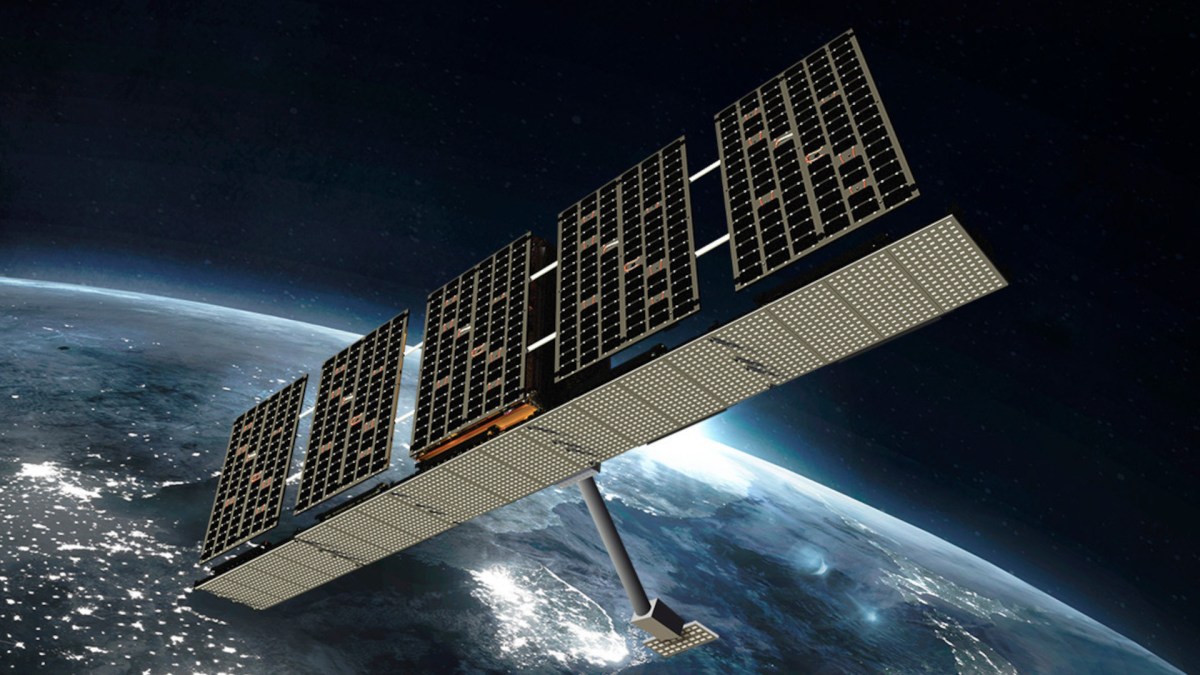
The project aims to build a proliferated low Earth orbit constellation of interceptors able to engage missiles during boost, midcourse, and glide phases. In practical terms, the service is describing an orbital layer designed to attack threats earlier in flight, including maneuvering hypersonic glide vehicles.
Who is involved
The companies disclosed by the Space Force span established defense primes and newer entrants. The list includes Anduril Industries, Booz Allen Hamilton, General Dynamics Mission Systems, GITAI USA, Lockheed Martin, Northrop Grumman, Quindar, Raytheon, Sci-Tec, SpaceX, True Anomaly, and Turion Space.
The service did not disclose each company’s contract value or specific role. It also said it would not release additional information because of operational security concerns. Even with those limits, the public identification of the contractor pool is significant because it shows the breadth of industry being mobilized around the program.
According to the Space Force, the awards were issued as Other Transaction Agreements. Col. Bryon McClain said that structure helped attract both traditional and nontraditional vendors while preserving ongoing competition.
The timeline is aggressive
The most striking detail in the announcement may be the schedule. The Space Force says it intends to demonstrate an “initial capability” in 2028. For a program involving space-based interceptors, that is an unusually compressed timeline.
That does not mean a full operational network will exist by then. The source text specifies only an initial capability for demonstration. Still, the date matters. It creates a near-term benchmark for a concept that has often been discussed at the level of strategic ambition rather than procurement reality.
Space-based interceptors have long occupied a difficult place in missile-defense policy. Advocates argue they could provide earlier engagement opportunities and improve defenses against fast or maneuvering threats. Critics have questioned their cost, technical practicality, and strategic implications. The new contracts do not resolve those debates, but they do show the U.S. government is moving beyond abstract discussion.
Why this marks a shift
The Golden Dome effort already had political significance because it is tied directly to a presidential missile-defense vision. This disclosure adds industrial structure to that vision. By naming 12 companies and 20 awards, the Space Force has signaled that it is creating a competitive ecosystem around the interceptor layer rather than assigning the work to a single incumbent.
That choice matters for two reasons. First, it reflects how the Pentagon increasingly tries to blend legacy defense capacity with newer commercial and venture-backed space companies. Second, it suggests the government wants multiple technical paths under development at the same time, which is sensible when the mission is both novel and high risk.
The presence of firms such as SpaceX, Anduril, True Anomaly, and Turion alongside Lockheed Martin, Raytheon, and Northrop Grumman illustrates that mix clearly. The program is positioned at the intersection of missile defense, military space architecture, and the broader shift toward proliferated orbital systems.
What to watch next
The critical next phase will be evidence that the contracts produce viable prototypes and a credible path to demonstration. The Space Force has outlined the goal and the vendor pool, but many practical questions remain unresolved in public, including command-and-control integration, interceptor design tradeoffs, and how the architecture would perform against complex missile raids.
Operational security will likely keep many of those details classified. Even so, future milestones should reveal whether the service can maintain schedule discipline and whether the mix of traditional and nontraditional contractors translates into usable hardware.
For now, the April 24 disclosure establishes a clear fact: the United States is spending real money and assigning real industrial capacity to pursue an orbital interceptor layer under Golden Dome. Whatever one’s view of the policy, the concept is no longer theoretical. It is now a funded competition with a named field of companies and a stated 2028 demonstration target.
This article is based on reporting by Breaking Defense. Read the original article.
Originally published on breakingdefense.com