SOUTHCOM is formalizing autonomy as a regional command function
US Southern Command is standing up a new element dedicated to autonomy and unmanned operations, marking another step in the US military’s effort to turn autonomous systems from a set of useful tools into a more integrated command function. The new organization, called the Autonomous Warfare Command, is being created to connect tactical missions to longer-term operational outcomes using autonomous, semi-autonomous and unmanned platforms.
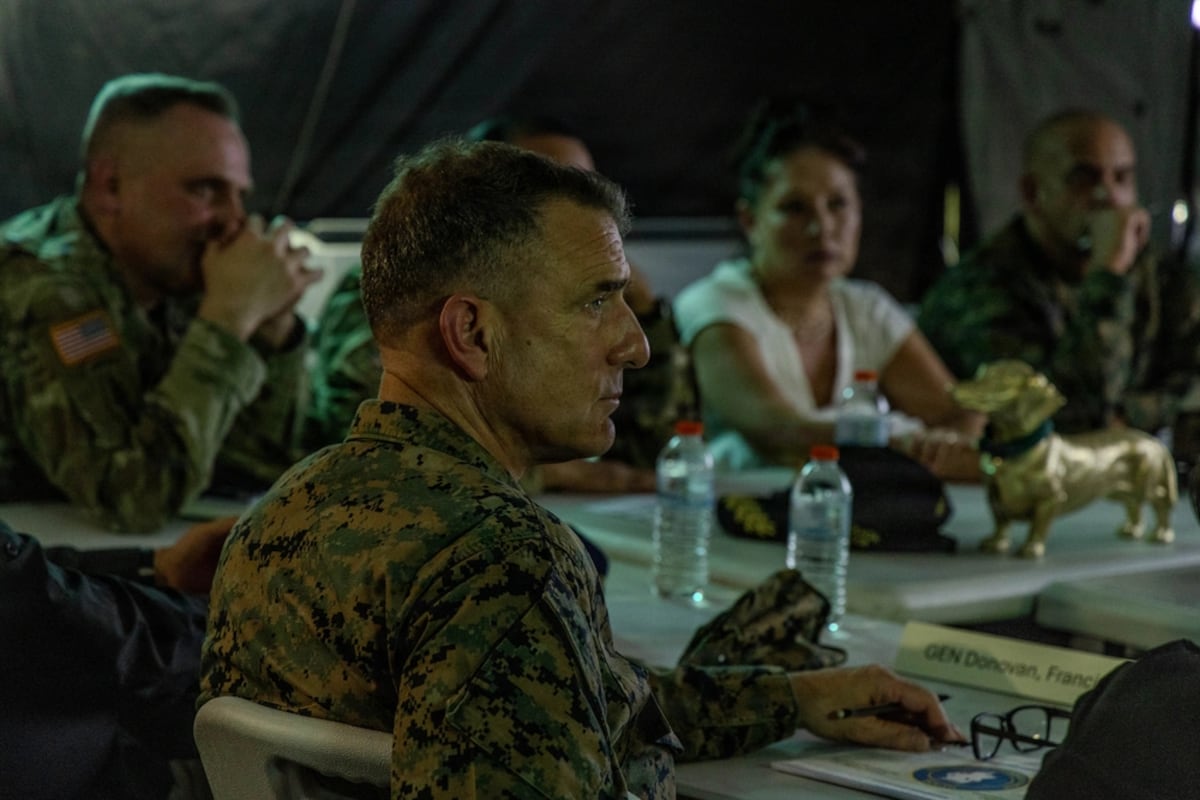
According to the command’s announcement, the effort was mandated by SOUTHCOM Commander Gen. Francis L. Donovan. Once fully operational, the new command will be tasked with engaging autonomous and unmanned systems to counter threats across domains. The statement did not specify when the organization would reach full operational status, but it did make clear that SOUTHCOM sees autonomy as central to future operations in its area of responsibility.
A regional mission set is driving the design
SOUTHCOM covers the Caribbean, Central America and South America, a region defined by varied terrain, maritime approaches, dispersed partners and a broad range of missions. Donovan said those conditions make the area a natural place to innovate. The command also emphasized that regional partners are eager to work collaboratively and are receptive to new technologies.
The new unit’s mission language suggests SOUTHCOM is thinking about autonomy less as a narrow drone program and more as a cross-domain operating model. Donovan’s statement referred to activity stretching “from the seafloor to space and across the cyber domain,” indicating that the command’s ambitions are not limited to airborne systems. The emphasis is on using the broader American defense ecosystem and partner cooperation to outmatch threats to regional security.
That matters because SOUTHCOM’s mission profile differs from that of commands focused on major-power confrontation in Europe or the Indo-Pacific. In this region, autonomy may be especially valuable in persistent surveillance, maritime monitoring, partner support, counternetwork operations and disaster response across geographically dispersed areas.
Counter-cartel and disaster missions are explicit priorities
The announcement tied the future command to concrete mission areas, including efforts with allies and partners to degrade narcoterrorist and cartel networks and to respond to national disasters. Those are important clues about how SOUTHCOM intends to use the new capability. Rather than presenting autonomous warfare as an abstract modernization goal, the command linked it to missions already central to its portfolio.
That framing can broaden the utility of the unit. Autonomous and semi-autonomous systems can support monitoring, logistics, communications and situational awareness in humanitarian and disaster scenarios just as they can in more adversarial settings. SOUTHCOM’s public language indicates it wants a command structure flexible enough to serve both security and emergency-response contexts in the hemisphere.
The focus on long-term outcomes is also notable. The command is not described merely as an operator of unmanned systems, but as a bridge between tactical employment and strategic effect. That suggests SOUTHCOM wants better integration between experimentation, acquisition, operational use and regional partnerships.
The new unit fits a broader trend of increased US emphasis in the region
The creation of the Autonomous Warfare Command comes alongside a wider buildout of US capabilities in the hemisphere. The source text notes that the US Space Force formally activated its southern component in January, establishing Space Forces Southern’s role in supporting space capabilities across the Western Hemisphere.
The article also points to the role of US Space Command in a recent high-risk operation to capture Venezuelan leader Nicolás Maduro, where space-based capabilities including satellite communications and position, navigation and timing were part of the mission. In that context, SOUTHCOM’s new autonomy-focused unit looks less like an isolated experiment and more like another layer in a larger effort to deepen technologically enabled regional operations.
That pattern reflects an institutional lesson the Pentagon has been moving toward for years: emerging military technologies are most useful when commands create dedicated structures that can absorb them into doctrine, partnership work and everyday planning. Announcing a new command rather than a pilot project signals that SOUTHCOM wants autonomy to be operationalized, not simply tested.
What happens next
Before the unit reaches full launch, SOUTHCOM, the military services and the Defense Department’s Defense Autonomous Warfare Group will collaborate to identify the expertise and capabilities needed to fully integrate the new organization into the command’s mission set. That preparatory phase is important because autonomy programs often struggle less from a lack of hardware than from a lack of integration: unclear authorities, uneven training, disconnected data systems and uncertain concepts of operation.
The public announcement leaves many specifics unresolved, including timelines, force structure and the exact mix of systems involved. But the direction is clear. SOUTHCOM is building an organizational home for autonomy that spans domains and is explicitly tied to regional missions, partner engagement and operational dominance.
For a command responsible for a vast and varied geography, that may prove to be the point. Autonomous systems promise reach, persistence and flexibility. By standing up a dedicated command around them, SOUTHCOM is signaling that those advantages are now important enough to shape how the region is managed, not just how individual missions are executed.
This article is based on reporting by Defense News. Read the original article.
Originally published on defensenews.com