Boeing Takes the Ghost Bat Into Allied Airspace
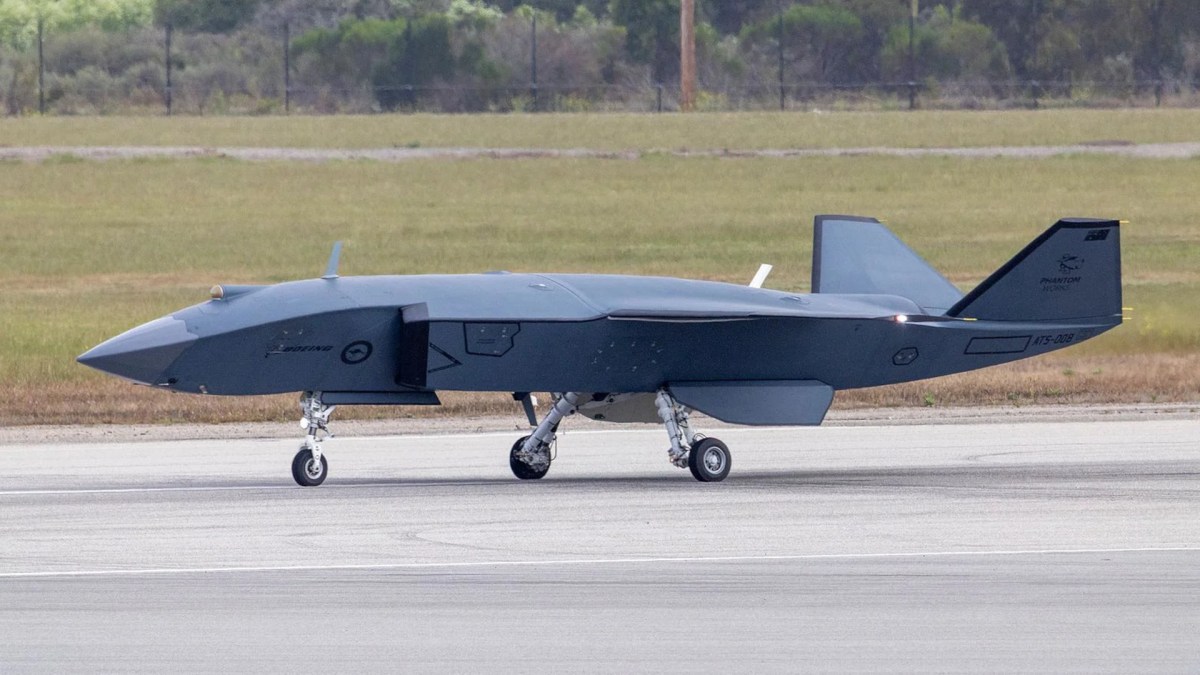
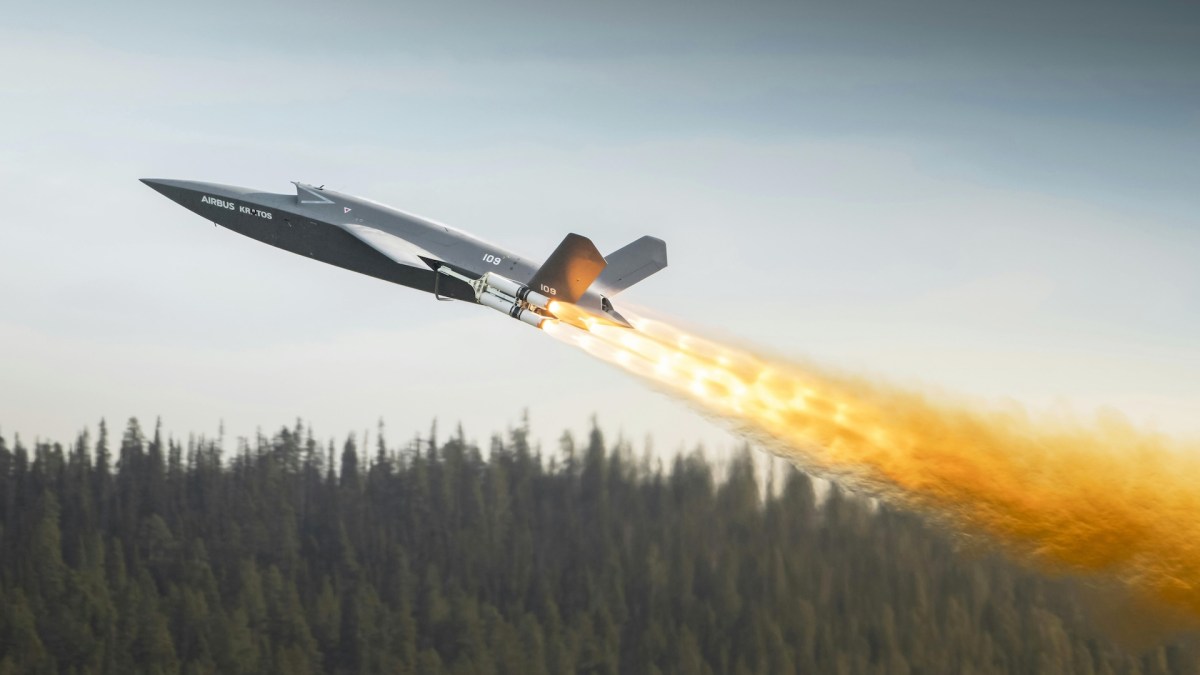
Boeing is now flying its MQ-28 Ghost Bat over the Pacific from the U.S. Navy’s base at Point Mugu, California, a move that does more than add another test location to the program. According to Boeing, the purpose is to show the maturity of the Australian-developed aircraft and support export opportunities beyond its original home market. But the venue itself adds another layer: Point Mugu is not just convenient airspace. It is a serious U.S. naval test environment with obvious relevance to future American interest in collaborative combat aircraft.
The MQ-28 was developed as a loyal wingman concept, an uncrewed aircraft designed to work alongside crewed platforms. That mission profile has become central to the way many air forces now think about future combat aviation. Instead of relying only on exquisite, expensive crewed jets, operators increasingly want teamed systems that can extend sensing, absorb risk, and distribute capability. Against that backdrop, flying the Ghost Bat from a prominent U.S. range is both a technical step and a sales demonstration.
Why Point Mugu Matters
Boeing says the MQ-28 has flown at least three times within the Point Mugu Sea Range off the Southern California coast. The range is well suited to this sort of work. It supports research, development, test, evaluation, and training, and it offers direct access from Naval Air Station Point Mugu with limited risk to bystanders. The base already plays a meaningful role in uncrewed operations, including activity related to the MQ-4C Triton and target drones.
That matters because autonomous aircraft are judged not only by flight performance but by how smoothly they can operate within real-world range, safety, and regulatory structures. Boeing explicitly said the tests validate autonomous systems while complying with required airspace, range safety, and regulatory approvals. That is a practical benchmark. An aircraft that can only work in narrow, highly controlled conditions is less attractive than one that can integrate into allied facilities and established military processes.
Boeing also described this as the MQ-28’s first international operation in allied airspace. Even if the language is partly promotional, it underscores the intended message: the aircraft is being presented as a mature system that can move beyond national demonstration status and into multinational relevance.
Export Signal and Pentagon Visibility
The company was unusually direct about export ambitions. Boeing said the Point Mugu activity helps demonstrate maturity and potential export opportunities to customers outside Australia. That is important because the market for collaborative combat aircraft is becoming crowded quickly. Governments want lower-cost autonomous partners for crewed fighters, but they also want proof that those systems can operate reliably, integrate with allies, and fit within their own force design.
Testing in California therefore carries symbolic weight. It places the MQ-28 in front of a U.S. defense audience at a time when the Pentagon is still shaping its own collaborative combat aircraft plans. The location also invites speculation about naval use cases, particularly because Boeing is already involved in the Navy’s evolving carrier-based CCA thinking. None of that guarantees a U.S. buy, but it places the Ghost Bat closer to the center of the conversation.
The article also notes that an MQ-28 was visible during Defense Secretary Pete Hegseth’s December visit to Point Mugu. That does not confirm a procurement path, but it does show the aircraft appearing in an environment where senior U.S. officials and service planners are likely to encounter it.
Program Maturity Is the Core Message
The strongest theme in Boeing’s announcement is maturity. For developmental autonomous aircraft, maturity means several things at once: stable flight behavior, credible autonomy, safe operations in governed airspace, and enough logistical confidence to deploy away from the original test ecosystem. Flying from an allied U.S. base supports that narrative more effectively than a paper briefing ever could.
It also helps move the MQ-28’s identity from prototype curiosity toward deployable asset. Australia gave the aircraft its first real foundation, but Boeing clearly wants the market to see Ghost Bat as a broader allied capability. In practice, the more often it appears in U.S.-linked test and operational contexts, the easier that perception becomes to sustain.
Collaborative aircraft programs live or die on trust. Militaries have to believe the autonomous system will behave predictably, contribute useful capability, and avoid creating more burden than value for the crewed force it supports. Publicly demonstrated operations from Point Mugu are one way of building that trust with potential customers.
Why This Flight Campaign Matters Now
The timing fits a wider shift in airpower. Autonomous support aircraft are no longer experimental side projects. They are becoming part of mainstream force planning. That means early movers are competing not just on technology but on proof of integration and political comfort. An aircraft that can show safe operation from allied facilities, under real range constraints, is better positioned than one that remains mostly confined to domestic demonstration campaigns.
For Boeing, the Ghost Bat’s Point Mugu flights are therefore doing multiple jobs at once. They test systems, advertise readiness, normalize allied operations, and place the aircraft near U.S. decision-makers. For prospective buyers, the campaign offers a simple question: if autonomous teammates are going to become part of future air combat, which designs already look ready to leave the concept stage behind?
Boeing is arguing that the MQ-28 is one of them. The Point Mugu sorties do not settle that question on their own, but they make the case in the most credible way defense customers tend to respect: by flying the aircraft in front of them.
- Boeing has flown the MQ-28 Ghost Bat from Point Mugu over the Pacific.
- The company says the flights demonstrate maturity and support export opportunities.
- The US Navy test location increases the aircraft’s visibility in Pentagon planning circles.
This article is based on reporting by twz.com. Read the original article.
Originally published on twz.com