The Marine Corps is rethinking a dependency it no longer trusts
The US Marine Corps is studying whether it needs its own theater ballistic missile defense capability, a notable shift driven by doubts that the Army will have enough capacity to cover Marine forces in future conflicts. According to remarks cited in the supplied source material, Marine Lt. Col. Robert Barclay said the service is exploring the requirement through studies and simulations and suggested that protection against short- and medium-range ballistic missiles is probably something the Corps needs to take seriously.
The significance of that statement is hard to overstate. It is not simply a technical question about interceptors and sensors. It is a strategic admission that the existing division of labor inside the US joint force may be insufficient for the wars the Marines expect to fight, particularly in the Pacific.
Why this matters now
Barclay’s comments came against the backdrop of recent ballistic missile threats and the strain those threats place even on advanced integrated air and missile defense systems. The supplied report says the latest conflict with Iran underscored the danger posed by ballistic missiles and implies those pressures would be magnified further in a conflict against a near-peer adversary such as China.
That context matters because the Marines have spent years reshaping themselves for distributed operations, expeditionary basing, and maritime support roles. Those concepts often place smaller Marine units in exposed positions across wide areas. If those formations cannot count on nearby Army ballistic missile defense coverage, then their survivability assumptions change immediately.
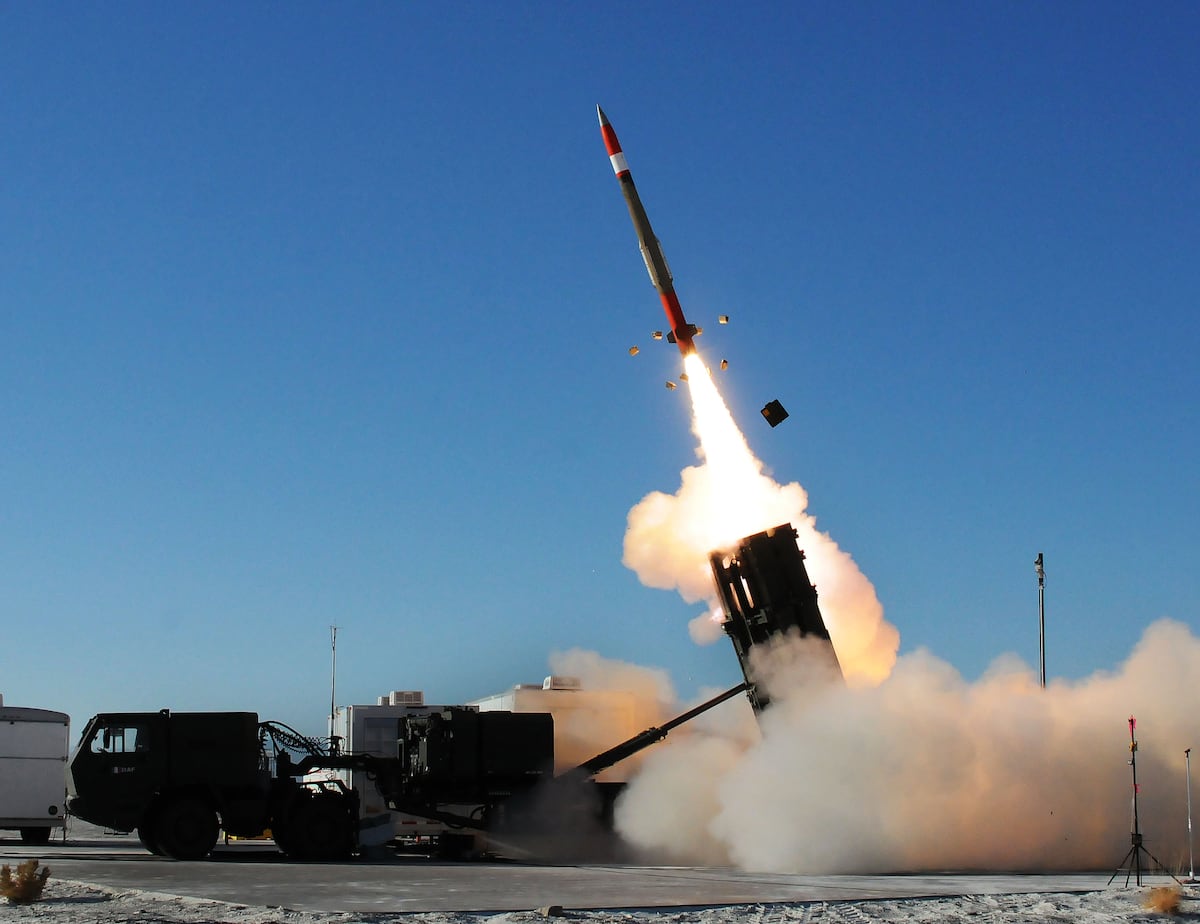
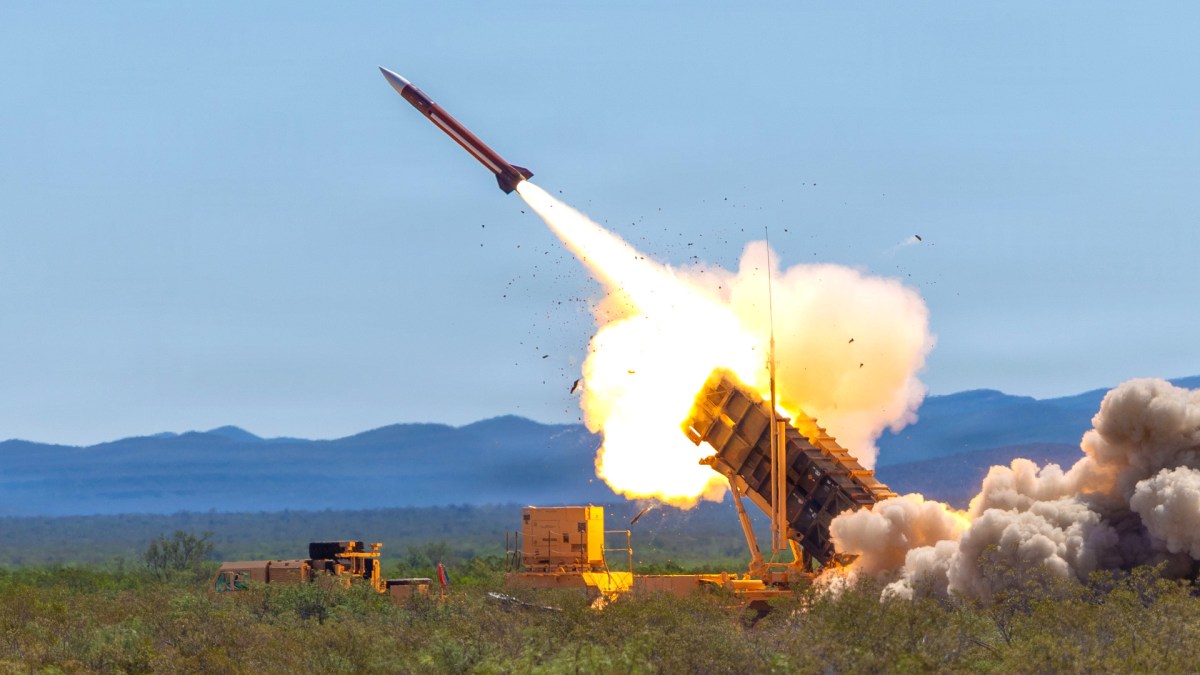
Barclay put the concern plainly in the source material: he does not think the Army will have enough capacity where Marines are operating to adjudicate the ballistic missile threat. That is both a force-planning problem and a resource-allocation problem. Patriot and other high-end missile defense assets are finite, expensive, and already in demand across multiple theaters.
The gap is doctrinal as much as material
The Marine Corps already fields ground-based air defense systems, but ballistic missile defense is a different level of requirement. Short-range air defense and counter-drone missions do not automatically translate into the ability to detect, track, and intercept incoming ballistic threats. Building that capacity would require not only equipment, but also doctrine, training, integration, and sustainment.
The source suggests the Marines are still at the stage of determining whether this should become a formal service requirement. That step is important. Once a threat is acknowledged as a requirement, it competes for budget, shapes procurement, and influences force design. If the Corps concludes that it cannot rely on Army capacity, it may have to pursue sensors, command-and-control improvements, or intercept capabilities tailored to its own expeditionary model.
That raises difficult questions. Should the Marines seek an organic ballistic missile defense system, or a lighter partial capability optimized for distributed units? How much duplication with Army systems is acceptable in exchange for operational independence? And how would such a capability fit within the Corps’ ongoing modernization priorities?
The Pacific is the real pressure point
Although the source discusses recent conflict dynamics more broadly, the Pacific is the most obvious driver behind this review. Marine units operating inside contested ranges would be exposed to large inventories of ballistic missiles. If Army defenses are too scarce, too fixed, or too concentrated elsewhere, Marine concepts built around mobility and forward presence may become harder to execute under fire.
That does not mean the Marines are about to field a full Patriot-like solution of their own. The source does not support that conclusion. But it does support the idea that the Corps sees a real planning gap and intends to study it over the next year.
Even that step has strategic meaning. It shows the Marines are testing assumptions that once might have gone unchallenged: that another service would provide the necessary high-end missile shield, and that access to that shield would be available when and where expeditionary forces need it.
A warning about future joint-force capacity
The deeper lesson is not limited to the Marines. If one service is openly questioning whether another can provide enough missile defense coverage, it signals broader stress in the US force posture. Ballistic missile defense assets remain scarce relative to demand, and modern conflict is only increasing the pressure on them.
The Marine review is therefore a warning indicator. It points to a future in which service boundaries matter less than capacity shortfalls. If the threat environment keeps expanding faster than the inventory of credible defenses, more parts of the US military may conclude they need organic answers to risks once handled elsewhere.
This article is based on reporting by twz.com. Read the original article.
Originally published on twz.com