A notable bridge between defense strategy and frontier AI
Anthropic’s decision to bring in James Baker, the former head of the Defense Department’s Office of Net Assessment, is more than a personnel move. It is a sign that leading AI firms increasingly view geopolitical strategy, institutional adaptation, and national-competitiveness analysis as part of their core operating environment rather than as outside context.
According to the supplied source text, Baker led the Office of Net Assessment, often described as the Pentagon’s think tank, from 2015 to 2025. Anthropic says he will serve as a strategist-in-residence and lead analysis of how AI is affecting U.S. institutions and competition with China. The same source notes Baker’s warning that the United States has “a tight time window to adapt” to the “civilizational” challenge posed by AI.
Why Baker matters
The Office of Net Assessment has long been associated with long-range strategic thinking inside the U.S. defense establishment. The supplied source describes its role in advising defense secretaries and national security advisers on the long-term effects of emerging technology, and in helping the military understand how social, economic, environmental, and technological trends interact. That history makes Baker’s move to Anthropic significant because it connects frontier model development to a style of analysis usually reserved for state power and military adaptation.
This is not just about AI products entering government procurement. It is about AI companies becoming participants in broader strategic debates: how institutions change, how technological advantage compounds, and how democratic systems respond to fast-moving capabilities.
The defense perspective is already shifting
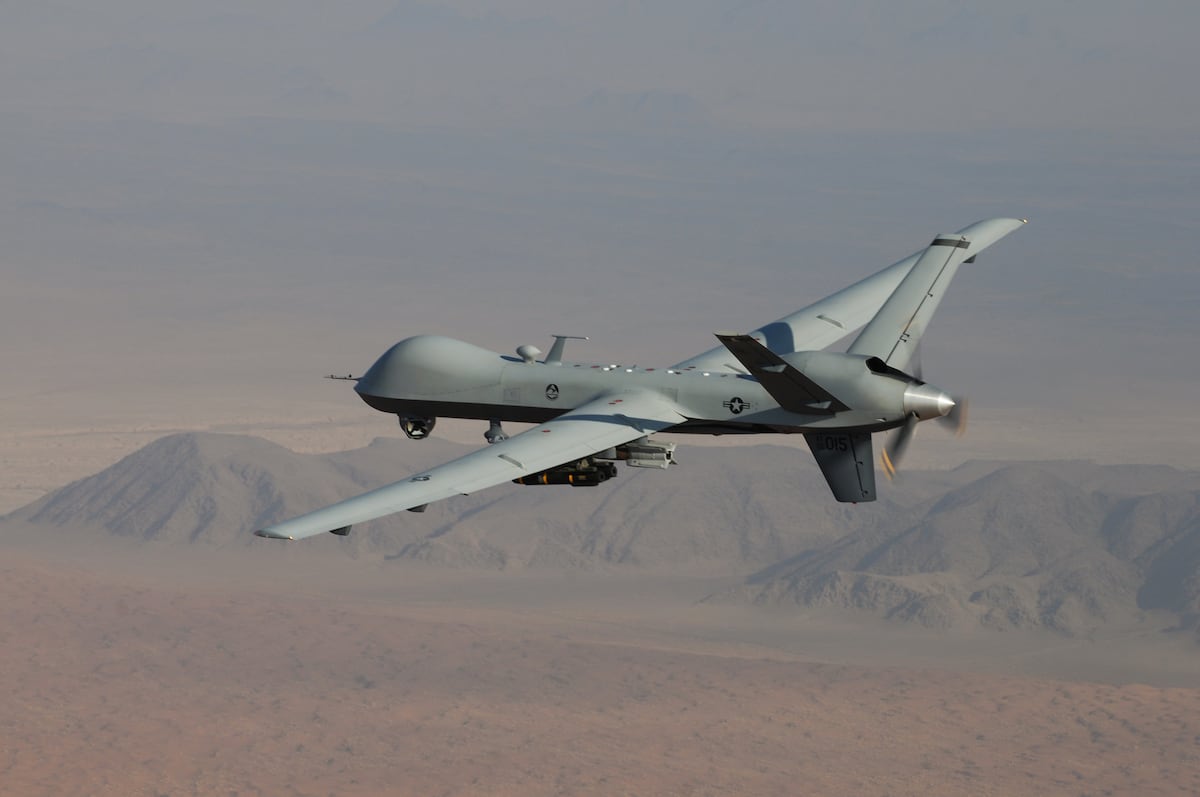
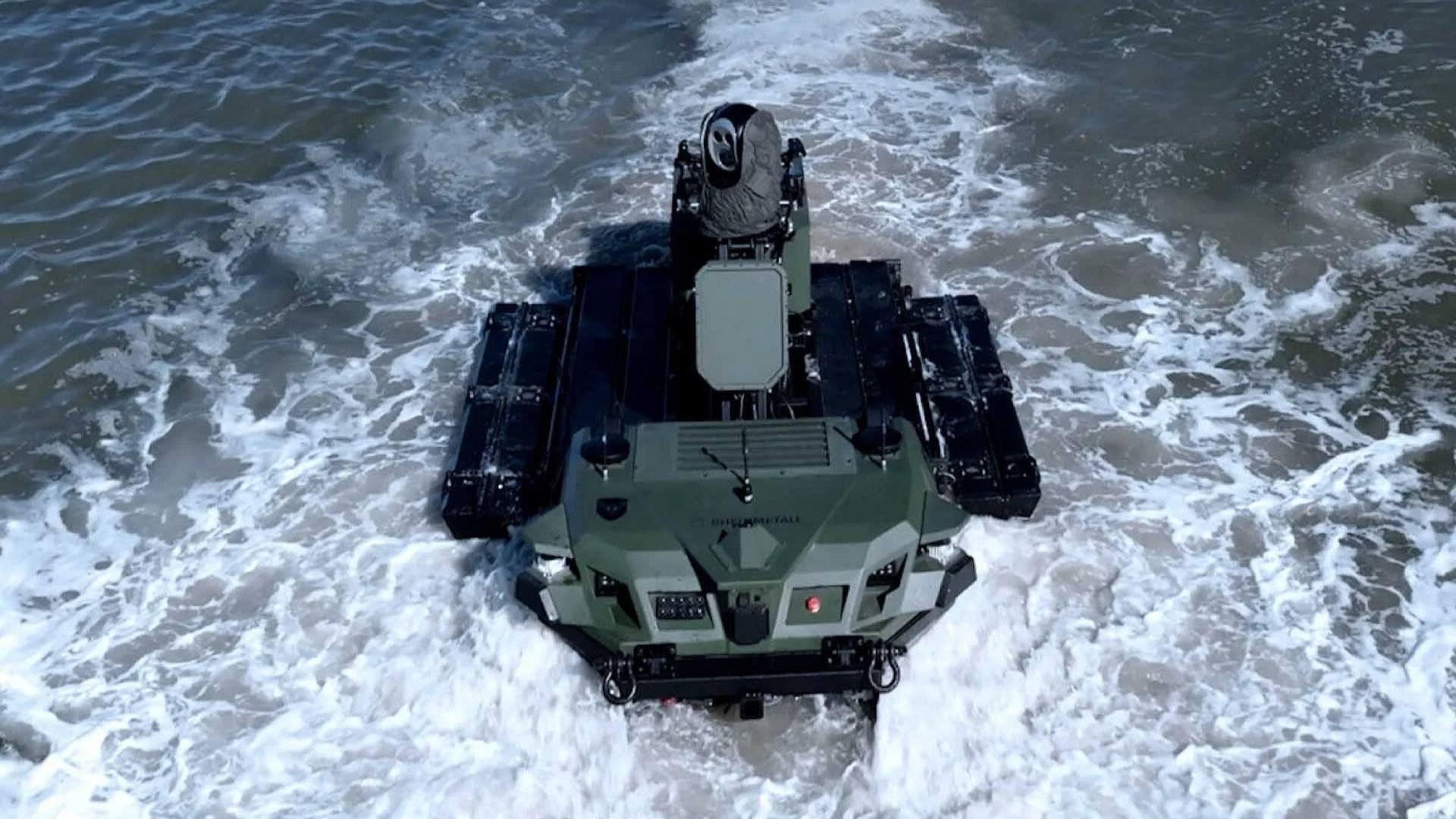
The source text says the Office of Net Assessment had in its final decade sought to understand the implications of accelerating AI, especially for Cold War-era institutions that Congress has been slow to change. It also references earlier analysis describing a “Cambrian explosion” in robotics and artificial intelligence that could make warfare cheaper and faster while eroding the advantage of expensive “exquisite platforms” such as $90 million jets.
That logic has contemporary force. The same source points to Ukraine’s use of drones against expensive Russian naval and air-defense assets as evidence that lower-cost autonomous and semi-autonomous systems can alter battlefield economics. For an AI company, hiring someone steeped in that mode of thinking suggests an interest in strategic consequences well beyond enterprise software or consumer chatbots.
A changing relationship between AI firms and the state
The hire also lands at a politically charged moment. The source text notes that Anthropic is amid a six-month withdrawal from federal service ordered by President Trump. Even so, the company is recruiting one of the most recognizable strategic thinkers from the defense world. That combination suggests neither a clean separation nor a simple embrace, but a more complicated relationship in which AI firms continue to shape national-security debates even when formal government engagements fluctuate.
There is a broader pattern here. As AI systems become more consequential, companies building them are assembling expertise that once sat mostly inside governments, think tanks, or defense contractors. They want people who can analyze institutional adaptation, adversary competition, and second-order effects, not just model performance benchmarks.

What the move signals
Baker’s arrival at Anthropic signals that frontier AI firms are preparing for a future in which strategic judgment is part of product context. Questions about model safety, deployment, export control, defense relevance, and U.S.-China competition are no longer peripheral. They shape the environment in which these companies grow and the constraints under which they operate.
In that sense, the hire is a marker of industry maturity. AI is no longer merely a technical race or a venture market story. It is an arena where institutions, doctrines, and geopolitical assumptions are being reworked in parallel. Bringing in a former net assessment chief is one way of acknowledging that the next phase of AI competition will be fought not only in labs, but in the strategic interpretation of what these systems mean for power itself.
This article is based on reporting by Defense One. Read the original article.
Originally published on defenseone.com