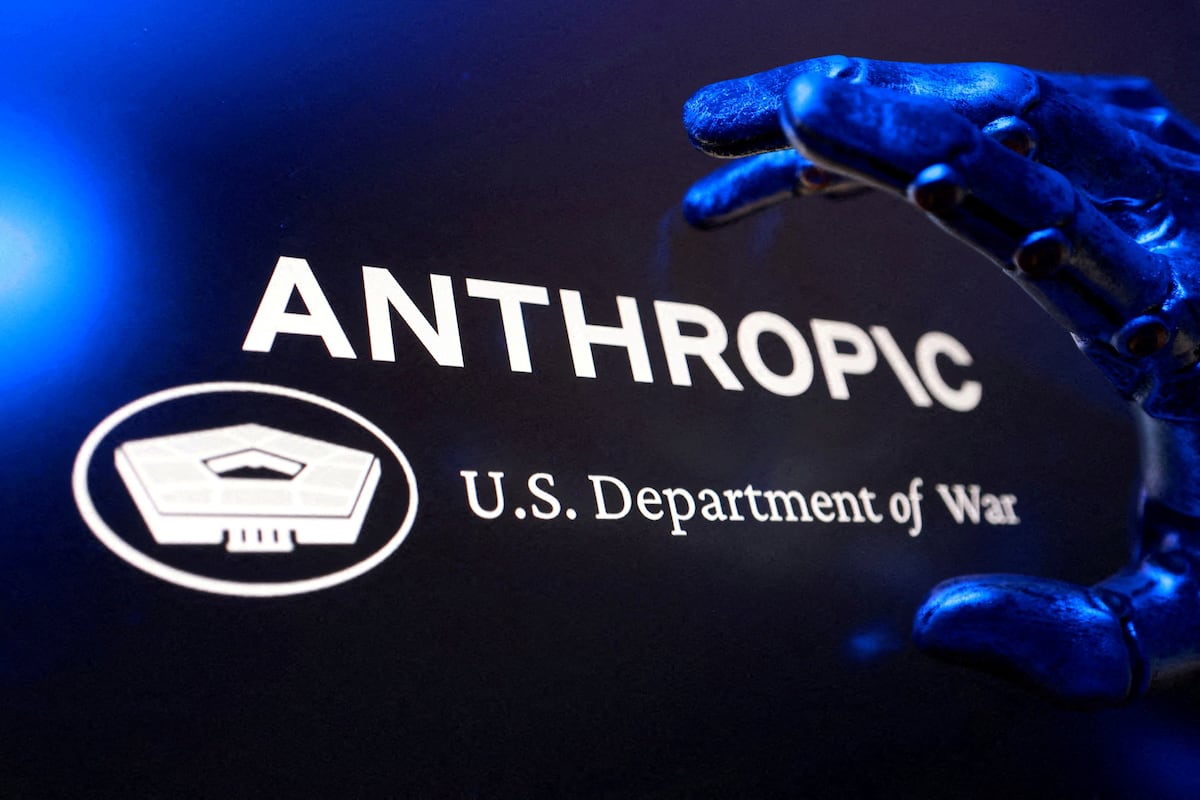
The Pentagon is moving AI deeper into classified systems
The U.S. Department of Defense announced agreements with seven major artificial intelligence companies to deploy their systems within classified Pentagon networks, marking a significant step in the military’s push to operationalize AI in its most sensitive environments.
According to the supplied source text, the companies named in the new roster are SpaceX, OpenAI, Google, NVIDIA, Reflection, Microsoft, and Amazon Web Services. The department said the tools are intended for “lawful operational use” and will be rolled out within Impact Level 6 and Impact Level 7 environments, where they are expected to support data synthesis, situational understanding, and decision-making.
An “AI-first fighting force”
The Pentagon’s language around the agreements is unusually direct. The department said the partnerships would accelerate the transformation toward an “AI-first fighting force” and strengthen decision superiority across all domains of warfare. That framing matters because it places AI not at the margins of defense modernization, but near the center of future military operations.
Even without disclosed financial terms, the practical implication is clear: the Defense Department wants commercially developed AI capabilities operating inside highly restricted systems, not just in pilot programs or unclassified sandboxes. That is a stronger signal than general rhetoric about experimentation. It points to deployment.
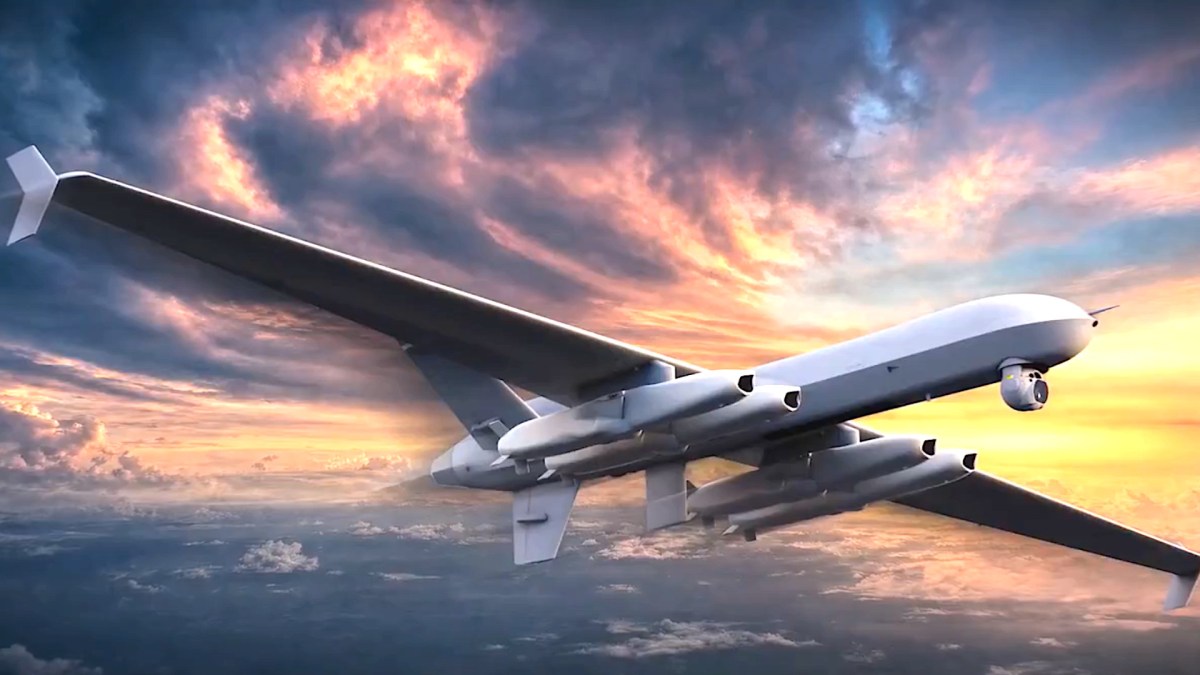
Why the vendor list matters
The selection of companies shows how broad the Pentagon’s appetite has become. Cloud providers, semiconductor firms, frontier model developers, and aerospace-linked companies all appear on the list. That suggests the department is not treating military AI as a single product category. Instead, it is building a layered ecosystem in which infrastructure, computing, software models, and integration all matter.
It also suggests the Pentagon is trying to avoid overreliance on one vendor or one technical stack. In military procurement, that can be a way to preserve optionality, compare performance, and reduce strategic dependence on any single firm.
The Anthropic omission is the story inside the story
Just as notable as the companies included is the company left out. Anthropic was absent from the announcement after the Department of Defense designated it a supply-chain risk to U.S. national security in March, according to the supplied source text. The dispute reportedly stems from Anthropic’s refusal to grant the Pentagon unrestricted access to its Claude models for use in fully autonomous weapons and mass domestic surveillance.
The administration’s response was severe. Defense Secretary Pete Hegseth said contractors, suppliers, and partners doing business with the Pentagon could not engage in commercial activity with Anthropic. The company then filed lawsuits in San Francisco and Washington, D.C., seeking to overturn the order.
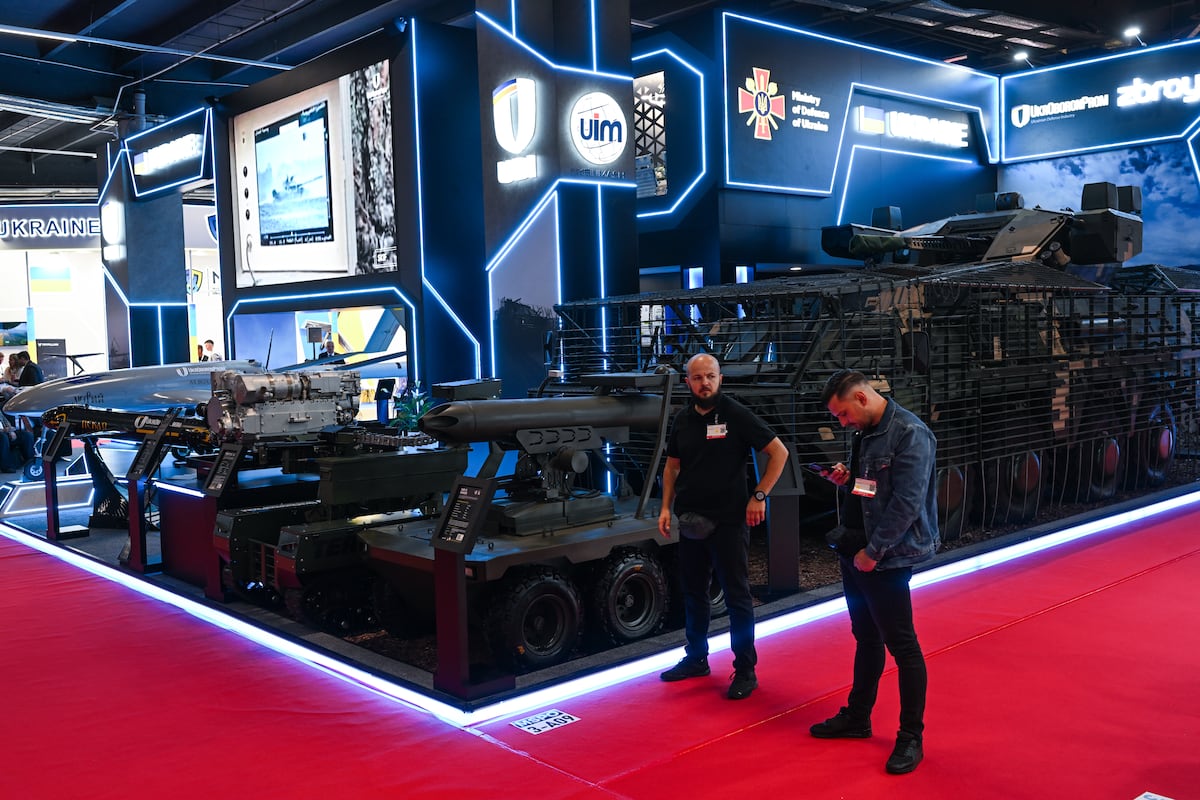
Military AI is also becoming a governance fight
This episode highlights a widening fault line in defense technology: not whether AI will be used, but under what terms. Frontier AI companies are increasingly being asked to decide how far they are willing to go in military applications, especially in areas involving autonomy, surveillance, and lethal force. The Pentagon, for its part, appears willing to reward firms that align with its operational requirements and penalize those that resist.
That turns procurement into policy. The contracts are not just about capability acquisition; they also shape the norms of what kinds of AI behavior and access the U.S. government expects from private partners.
Signs of possible recalibration
The standoff with Anthropic may not be permanent. The source text says White House chief of staff Susie Wiles and other senior officials met with Anthropic CEO Dario Amodei on April 17, and President Donald Trump later told CNBC that a deal with the firm was “possible.” That leaves room for a future settlement or policy adjustment.
Still, the Pentagon’s latest announcement shows it is not waiting for that dispute to be resolved before moving ahead. AI integration into classified networks is continuing now, with a defined set of commercial partners.
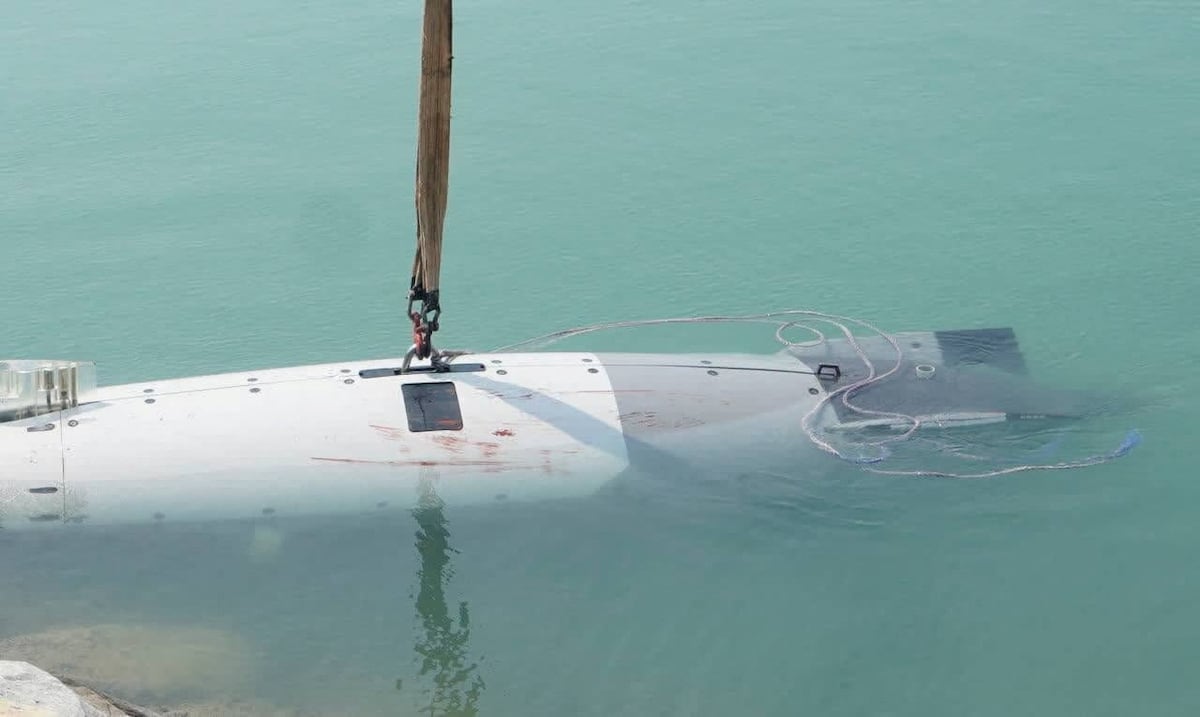
A turning point for defense AI adoption
The deeper significance of the agreements is that military AI is moving from theory to infrastructure. Once systems are embedded in classified environments and tied to analytic and decision-support workflows, they become harder to treat as optional experiments. They start to become part of the institution itself.
That makes this announcement a meaningful milestone. The Pentagon is signaling that AI is no longer just a future capability under evaluation. It is becoming an operational layer inside the national-security state, with all the strategic, ethical, and industrial consequences that implies.
This article is based on reporting by Defense News. Read the original article.
Originally published on defensenews.com