A Historic First for Stealth Fighter Aviation
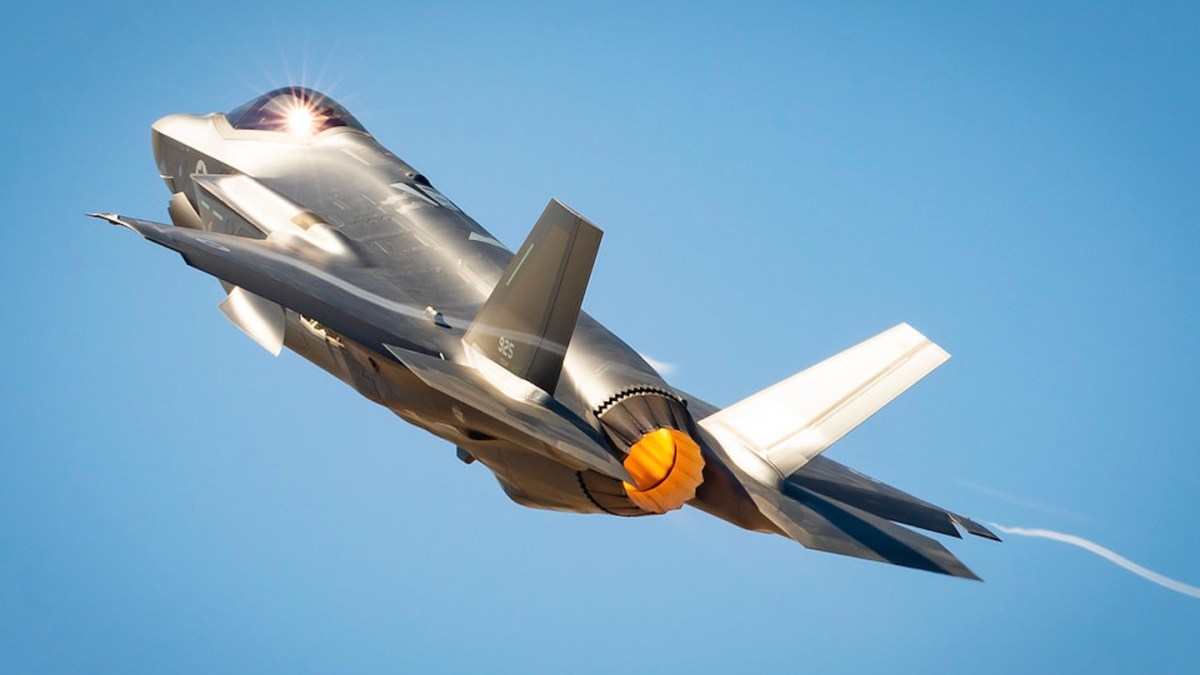
The Israeli Air Force has achieved what military aviation analysts are calling a historic milestone: the first confirmed air-to-air kill of a crewed aircraft by an F-35 stealth fighter. The engagement, which took place during the ongoing conflict with Iran, involved an Israeli F-35I Adir shooting down an Iranian Air Force Yakovlev Yak-130 combat trainer that was airborne over Tehran.
The shootdown represents the first time the Lockheed Martin F-35 Lightning II has been used to destroy an enemy aircraft in air-to-air combat, adding real combat validation to a platform that has been the subject of decades of development and debate. While the F-35 has seen extensive use in air-to-ground strike missions across several conflicts, its air-to-air capabilities had not been tested in actual combat until now.
The Engagement
Details of the engagement remain limited, consistent with Israel's typically restrained approach to confirming specific combat actions. What is known is that the Iranian Yak-130 was intercepted while flying over the Tehran area during a period of intensified Israeli air operations against Iranian military targets.
The Yak-130 is a Russian-designed advanced jet trainer and light combat aircraft that Iran operates in both training and limited combat roles. While not a front-line fighter, the Yak-130 is capable of carrying air-to-air missiles and has been used by several air forces as an affordable combat platform for lower-threat environments.
The asymmetry between the F-35, one of the most advanced fighter aircraft ever built, and the Yak-130, a trainer-class aircraft, means that the engagement does not necessarily demonstrate the F-35's ability to prevail against peer-level adversaries. However, it does confirm the aircraft's ability to detect, engage, and destroy airborne targets in a real combat environment, something that had only been demonstrated in exercises previously.
F-35 Air-to-Air Capability
The F-35 was designed from the outset as a multi-role aircraft with significant air-to-air combat capability. Its AN/APG-81 active electronically scanned array radar provides exceptional detection range and tracking capability, while its distributed aperture system offers 360-degree situational awareness through a network of infrared sensors embedded around the aircraft.
The stealth characteristics that define the F-35 give it a significant advantage in air-to-air engagements by allowing it to detect and engage adversaries before being detected itself. The concept of first-look, first-shoot, first-kill has been central to the F-35's air combat doctrine since its inception, and the Israel engagement appears to validate this approach, at least against a less capable adversary.
Israel's F-35I Adir variant includes modifications specific to the Israeli Air Force's requirements, including integration with Israeli-developed weapons and electronic warfare systems. Israel was the first country outside the United States to receive the F-35 and has been among the most active in using it operationally.
Context of the Conflict
The shootdown occurred within the broader context of escalating military operations between Israel and Iran, which have intensified significantly in recent weeks. Israeli air operations over Iran have targeted military infrastructure, air defense systems, and strategic assets, while Iran has responded with drone and missile strikes against Israeli and allied targets.
The presence of an Iranian military aircraft airborne during these operations suggests either a defensive patrol or an attempted combat sortie, though the specific circumstances that led to the engagement have not been disclosed. Iran's air force operates a mix of aging American-made aircraft from the pre-revolution era, Russian-supplied jets, and domestically produced platforms, most of which are considered technologically inferior to Western fifth-generation fighters.
Implications for the F-35 Program
For the F-35 program and its international customer base, the confirmed air-to-air kill provides a data point that manufacturers and military planners have long awaited. The aircraft is operated by more than a dozen nations and remains the backbone of Western tactical aviation modernization plans for decades to come.
Combat-proven capabilities carry significant weight in international defense procurement decisions, and the Israeli engagement will likely be cited by Lockheed Martin and partner nations as evidence of the platform's effectiveness. It also provides real-world validation for the tactics, techniques, and procedures that F-35 operators have developed through years of training and simulation.
However, the engagement's one-sided nature — a fifth-generation stealth fighter against a trainer-class aircraft — means it should be interpreted cautiously. The true test of the F-35's air-to-air prowess would come against more capable adversaries equipped with modern radar systems, electronic warfare capabilities, and competitive air-to-air weapons. That test, which all parties hope does not come, would provide a far more definitive assessment of the platform's combat ceiling.
This article is based on reporting by twz.com. Read the original article.
Originally published on twz.com