Cheap drones, urgent problem
Israeli officials are treating first-person-view drones as one of the most urgent tactical threats facing forces on the ground. According to Breaking Defense, Prime Minister Benjamin Netanyahu called an urgent meeting on Wednesday focused on how to defend troops from the growing use of these small attack drones in Lebanon.
The concern is not theoretical. The report says Israeli troops have increasingly been targeted by FPV drones and that the systems are proving difficult to stop, particularly when they are guided through fiber-optic cables rather than standard radio links. That makes them far less vulnerable to electronic jamming, one of the most common counter-drone tools.
Why FPV drones are so difficult to defeat
Michal Mor, chief executive of Israeli company Smart Shooter, described the challenge in stark terms, saying the drones are accessible, inexpensive, highly maneuverable and increasingly hard to defeat. The added complication is the emergence of fiber-optic-guided models that can remain effective even in contested electronic environments.
That combination changes the economics of battlefield attack and defense. A relatively cheap drone can threaten troops, vehicles or even air-defense positions, while forcing militaries to search for protective systems that are reliable, portable and affordable enough to field at scale.
Former senior Israeli defense official Menahem Landau told Breaking Defense that the capability is still relatively new in the Middle East compared with Ukraine, but he said Hezbollah has already begun using it against the Israel Defense Force. He also emphasized the accessibility of the threat, arguing that the systems are cheap and that operators can be trained with relative ease.
Casualties are driving the response
The Alma Research and Education Center, cited in the report, said that since the beginning of Israel’s recent ground offensive in Lebanon, more than 80 explosive FPV drones had been launched at Israeli forces in recent weeks. It said roughly 15 struck their targets, killing four soldiers and a civilian and injuring dozens of soldiers.
The attacks are also having an information effect. Breaking Defense notes that Hezbollah has published footage of FPV drone strikes on Israeli positions, including a video of an alleged attack on an Iron Dome battery. The spread of such videos on social media amplifies the tactical threat with a psychological and propaganda dimension.
Industry is moving quickly
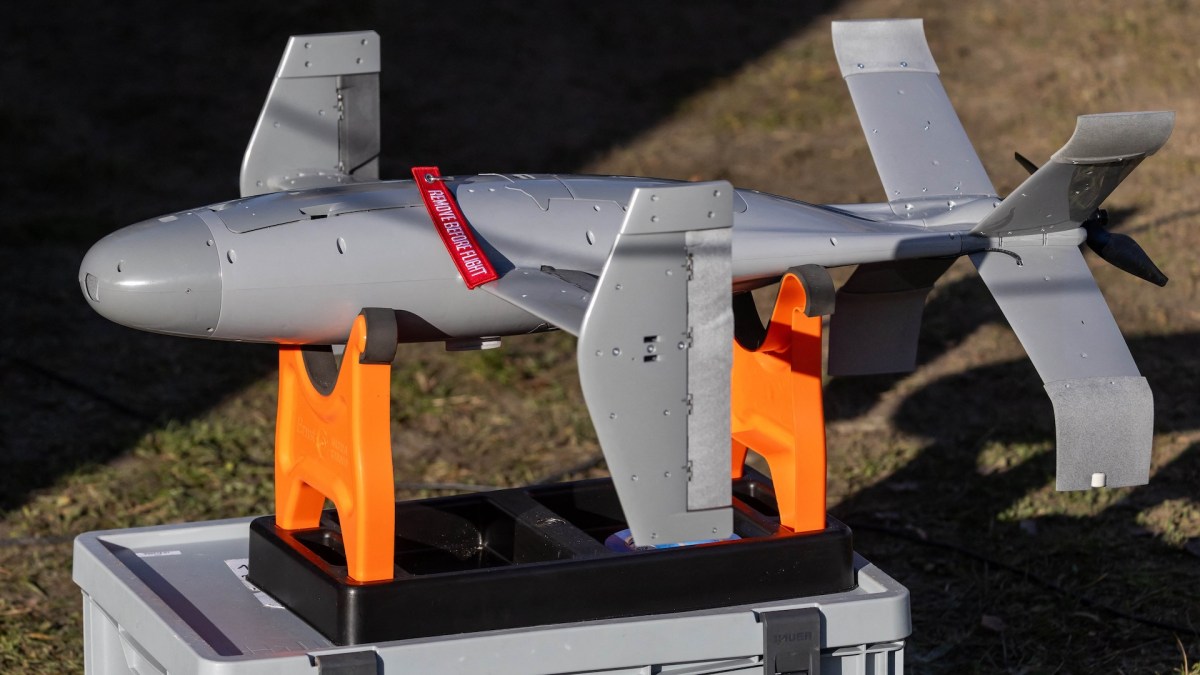
Israeli defense firms are now competing to provide answers. The article highlights interest in concepts ranging from smart rifles to counter-drone drones, reflecting how unsettled the solution space remains. The rush itself is significant: it suggests there is no single mature answer yet for front-line forces facing small, low-cost, precision-guided threats.
That uncertainty mirrors a broader shift in modern warfare. FPV drones are no longer a niche or improvised danger. They are becoming part of the standard threat environment, capable of challenging maneuvering forces and fixed defensive positions alike.
What this signals
The Israeli response underscores a wider lesson already visible in other conflicts: militaries need layered defenses against small drones, and they need them quickly. Systems built for larger aircraft or traditional missiles are not necessarily suited to stop a fast, low-flying, low-cost platform that may also be resistant to jamming.
For Israel, the immediate question is what can be fielded fast enough to protect troops now. For the broader defense sector, the episode is another sign that counter-FPV capability is moving from an emerging niche to a central operational requirement.
This article is based on reporting by Breaking Defense. Read the original article.
Originally published on breakingdefense.com