A Defining Moment for European Air Power
Germany has reportedly set an April deadline for resolving the deepening dispute threatening the Future Combat Air System, Europe's three-nation sixth-generation fighter program. The deadline represents an ultimatum: if France, Germany, and Spain cannot reach agreement on the distribution of roles and industrial workshare between the program's two prime industrial leads, the €100 billion-plus program faces a real prospect of collapse.
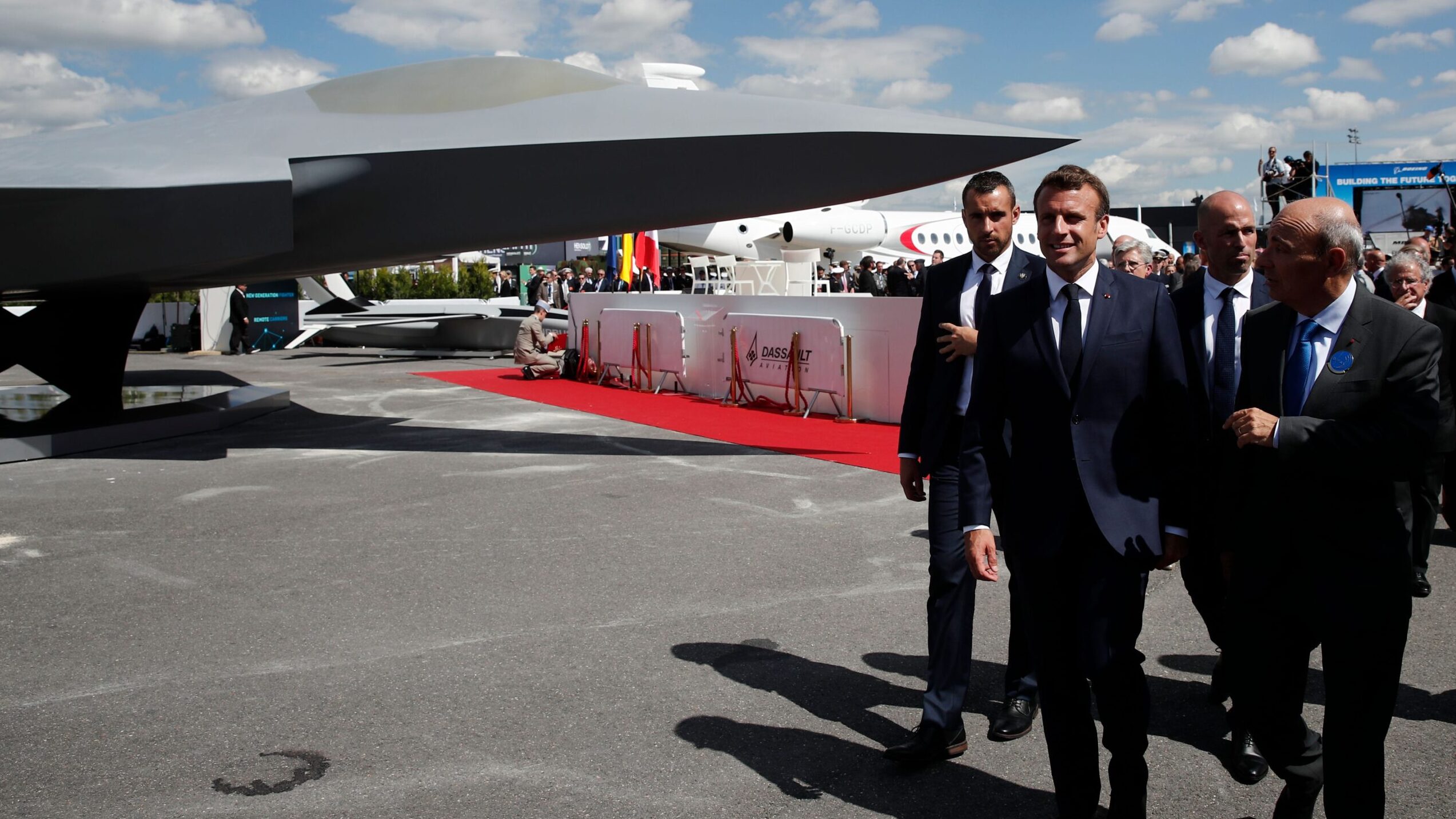
FCAS — known in French as SCAF — has been beset for years by tensions between Airbus and Dassault Aviation, the French manufacturer leading the New Generation Fighter component. The dispute centers on a fundamental question: who leads what, and who gets paid for it. Both companies have legitimate claims, and the political implications of a French company versus a Franco-German consortium holding dominant position have complicated every attempt at compromise.
The Airbus-Dassault Fault Line
Dassault brings unmatched fighter expertise as the developer of the Rafale, France's frontline multirole aircraft and a commercial export success. The company views its fighter design capability as the program's core intellectual contribution and has consistently argued that Dassault should hold primary authority over the aircraft component.
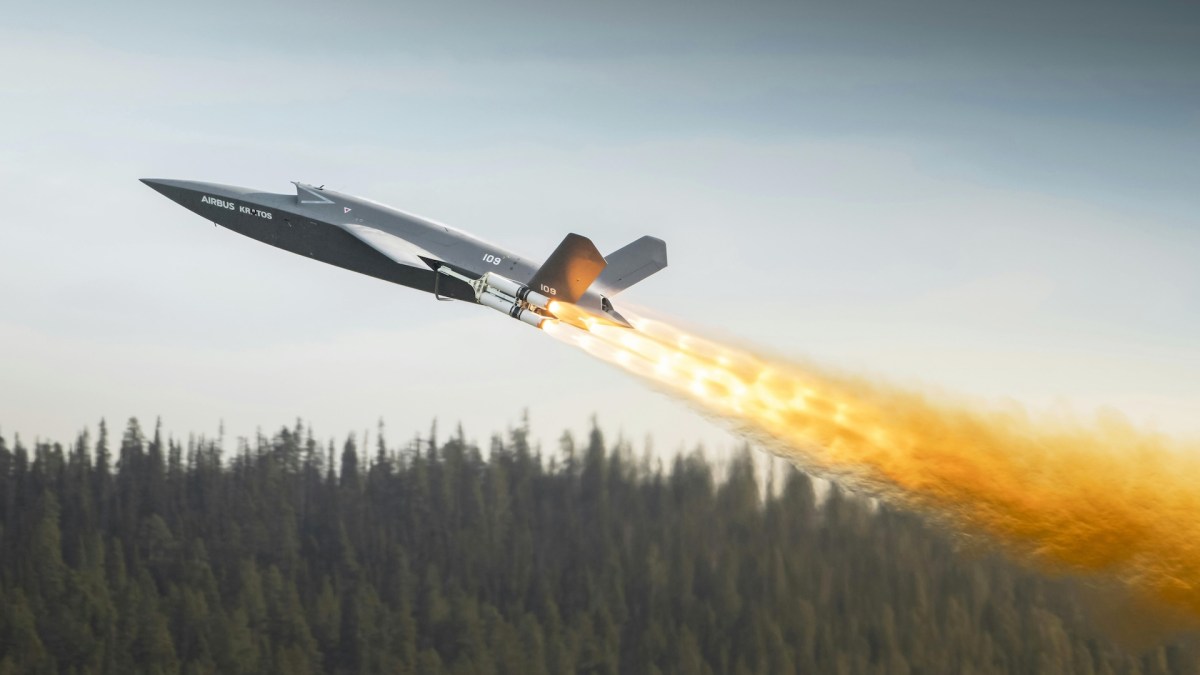
Airbus, as Europe's largest aerospace company, contributes expertise in systems integration, advanced materials, and the broader combat cloud ecosystem that FCAS envisions — a network connecting the fighter to unmanned "remote carriers" through an advanced battle management system. Airbus argues the program is fundamentally a systems-of-systems challenge, not merely an aircraft development effort, positioning itself to lead the broader architecture.
The resulting standoff has produced years of program delays, missed milestones, and increasingly public acrimony between the French and German sides. Both governments have grown frustrated with the impasse, and Germany's April deadline reflects a judgment that the current situation is unsustainable.
What Collapse Would Mean
A failure to reach agreement by April would not immediately terminate FCAS — governments rarely walk away from programs of this scale without extended salvage attempts. But it could trigger fundamental restructuring that further delays the timeline, increases costs, and potentially opens the door to alternative approaches that one or more partner nations might pursue independently.
France, operating Dassault's Rafale with clear requirements for a successor, has the most independent path forward if FCAS fails. Germany's position is more constrained: the Luftwaffe operates Eurofighter Typhoons and has no indigenous fighter development capability to fall back on. If FCAS collapses, the credibility of European defense industrial ambition takes a significant blow at precisely the moment the continent has been most assertively claiming strategic autonomy.
The Political Context
Germany's willingness to set a hard deadline reflects the broader Zeitenwende shift in German defense policy since 2022. The new German government has articulated strong defense commitments, and continued FCAS stagnation is incompatible with the urgency those commitments imply. Allowing the impasse to continue indefinitely is no longer acceptable to Berlin — but whether that pressure will be sufficient to break the logjam between Airbus and Dassault, two companies with strong national political constituencies on both sides of the Rhine, remains uncertain.
If April passes without agreement, observers expect Germany to begin a more fundamental review of its FCAS participation — potentially including an assessment of whether GCAP membership might offer a more viable path to sixth-generation capability. That possibility, combined with Poland and India's simultaneous GCAP interest, would radically reshape the European fighter landscape in ways that neither France nor Germany originally contemplated when they launched FCAS together.
This article is based on reporting by Breaking Defense. Read the original article.
Originally published on breakingdefense.com