France closes out current FDI frigate buying plan
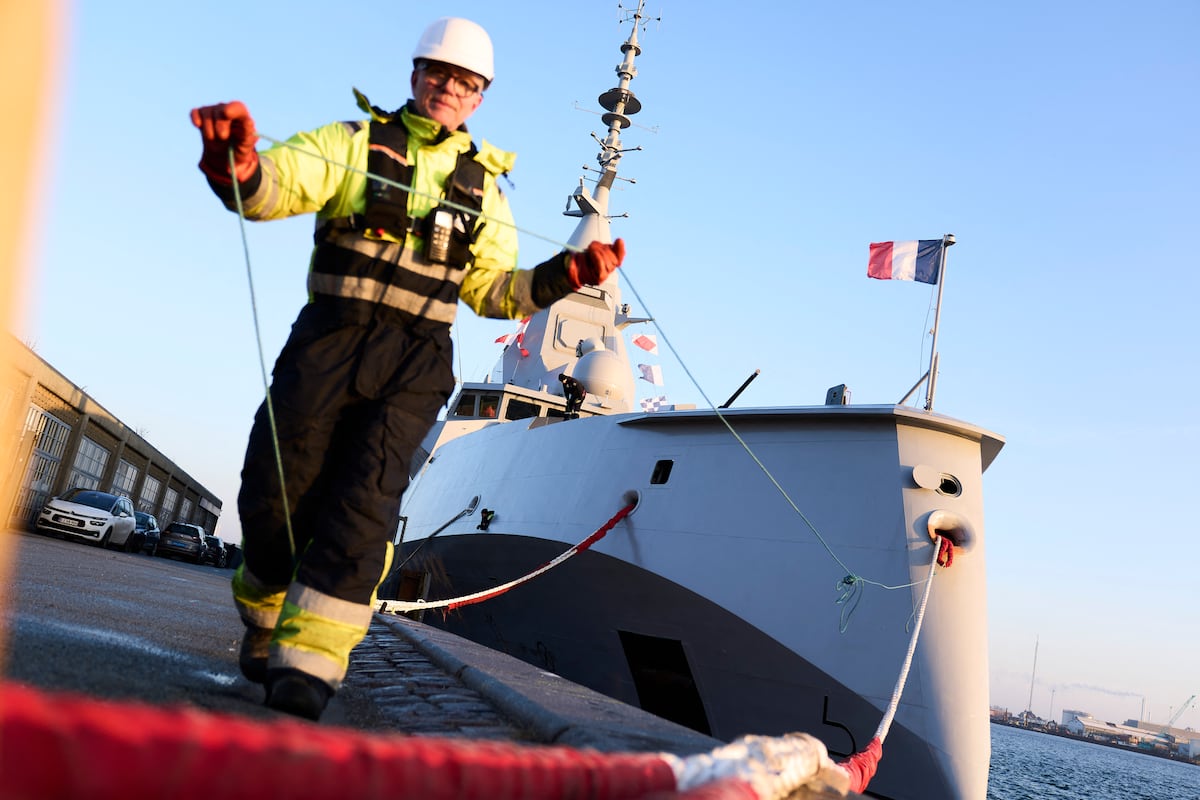
France has placed an order with Naval Group for the fifth and final Defense and Intervention Frigate currently planned for the French Navy, completing the procurement line for the class under the existing fleet plan. The French Armed Forces Ministry said the order was placed at the end of March, with delivery scheduled for 2032.
The new order follows France’s December purchase of the fourth ship in the class. Naval Group said both vessels will be built at the company’s Lorient yard in western France. With the fifth hull now under contract, the FDI program reaches the end of the series currently authorized for the French fleet.
Naval Group chief executive Pierre Eric Pommellet said the order reflects renewed confidence from the ministry as the company continues work on the class. The French Navy is expected to use the frigates as part of a broader effort to sustain high-end surface combat capability.
A fleet target shaped by budget limits
According to the report, delivery of the fifth FDI will complete France’s program for 15 first-rate frigates. French Navy commander Adm. Nicolas Vaujour has said that number was set by budget constraints, while maintaining that a force of 18 frigates would represent a more coherent format. Some lawmakers have argued the latest FDI order should have been increased to eight ships instead of stopping at five.
That debate gives the latest contract significance beyond a single ship order. It confirms the procurement path France is funding now, while leaving unresolved the longer-term question of whether the navy’s force structure should expand beyond the current plan.
The reported budget for the five-ship FDI program was 4.28 billion euros in France’s 2019 accounts. That figure anchors the class as a major naval modernization effort, even as arguments continue over whether the country’s maritime ambitions require more hulls than the funded structure provides.
Schedule pressure remains visible
The fifth vessel will be delivered three years later than the original 2029 schedule. The delay, according to the report, stems in part from industrial difficulties on the first ship, the Covid-19 pandemic, delays tied to weapons integration, and the reassignment of production slots to accommodate an order from Greece.
That timeline matters because it shows the degree to which modern warship programs remain vulnerable to industrial disruption and shifting customer demand. Even for a domestic naval program with clear strategic importance, yard capacity and integration complexity can reshape delivery calendars.
The latest order therefore closes a procurement sequence but also highlights the cost of slippage. France is still getting the final ship it planned to buy, yet it will arrive later than originally intended, stretching the path to a completed class into the next decade.
Lead ship already at sea
The first frigate in the class, Amiral Ronarc’h, was delivered in October and is already operating on a long-term deployment. In February, the ship joined the carrier strike group centered on the aircraft carrier Charles de Gaulle in the North Atlantic to test its radars, electronic warfare suite, and combat system in a tactical environment.
That operational use gives the program more than a contractual milestone. France is not only buying the remaining ships, but also putting the class into real fleet activity while validating key systems in demanding conditions.
Naval Group said the ship demonstrated its ability to handle rough seas during trials in Atlantic Sea State 6 conditions, which the World Meteorological Organization classifies as very rough, with waves of 4 to 6 meters. The company said the crew of Amiral Ronarc’h was able to observe the vessel’s aptitude in those conditions.
A compact frigate built for high-intensity combat
The FDI measures 122 meters in length and displaces about 4,500 tons, making it smaller than some new-generation frigates being built or planned in the United Kingdom, Spain, Italy, and Germany. Size, however, is not the same as mission value. The class is described as designed for high-intensity combat.
The ships are armed with Exocet anti-ship missiles, Aster air-defense missiles, MU90 torpedoes, and a 76 mm gun. They also carry the Thales Sea Fire radar with four fixed panels, a feature intended to support the ship’s sensing and air-defense role.
Those details position the class as a modern multirole combatant intended to operate in demanding threat environments rather than as a lower-end patrol platform. For France, that matters both in sovereign operations and in coalition deployments, where survivability and systems integration are increasingly central.
Industrial and export implications
The program also continues to carry export significance. Naval Group’s FDI design is competing for a Swedish requirement covering four frigates, with a decision expected in coming months, according to the source report. That means France’s domestic order book may still have consequences well beyond the national fleet, particularly if the class secures additional European customers.
For now, the main development is straightforward: France has committed to the last ship in the five-vessel series it currently intends to field. The order completes the planned FDI lineup, confirms the existing 15-frigate fleet structure, and keeps pressure on industry to deliver the remaining vessels despite delays already absorbed by the program.
The broader strategic argument over whether France ultimately needs more major surface combatants is still open. What is no longer open is the shape of the current FDI program. With the fifth hull ordered, the French Navy’s present plan is now fully spoken for on paper, and the focus shifts to execution, delivery, and whether the class performs as expected as more ships move from the yard into service.
This article is based on reporting by Defense News. Read the original article.

Originally published on defensenews.com