Small unmanned systems are no longer a niche capability
At the Land Forces Pacific symposium in Hawaii, U.S. Army leaders described a battlefield environment increasingly defined by the mass availability of small, inexpensive drones. Defense One reports that uncrewed systems were visible not just in demonstrations and exercises, but literally overhead during senior leaders’ remarks, underscoring how fully they have entered the Army’s day-to-day operational thinking.
The message from commanders was clear: drones are no longer an adjunct capability reserved for specialized units or high-end conflicts. They are becoming standard tools for reconnaissance, strike, and operational adaptation.
“Cheap kill” at scale
Indo-Pacific Command leader Adm. Samuel Paparo highlighted what he called the commoditization of small, cheap unmanned systems, meaning the technology has spread far beyond major powers with elite defense industries. In practical terms, that lowers the cost of finding, fixing, and attacking targets across the battlefield.
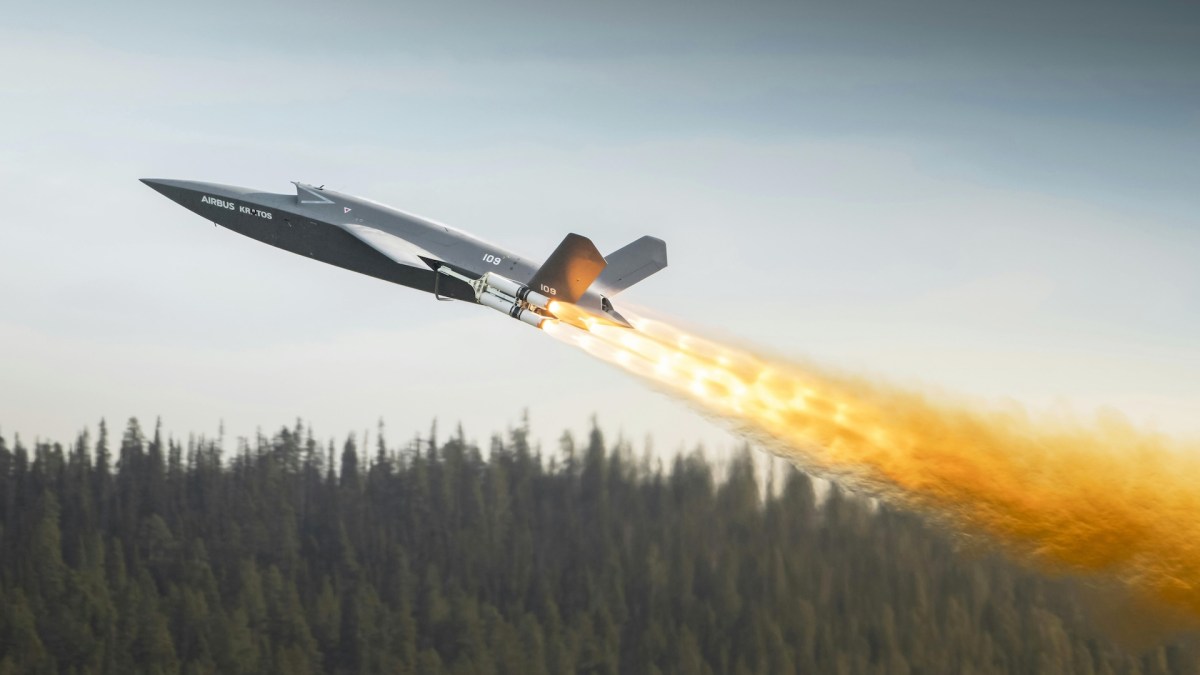
Paparo’s phrase “cheap kill” captures the strategic shift. When low-cost systems can deliver surveillance, loitering attack capability, or munitions at scale, traditional assault methods become more exposed and more expensive by comparison. Mass and affordability start to matter as much as exquisite performance.
Army formations are already adapting
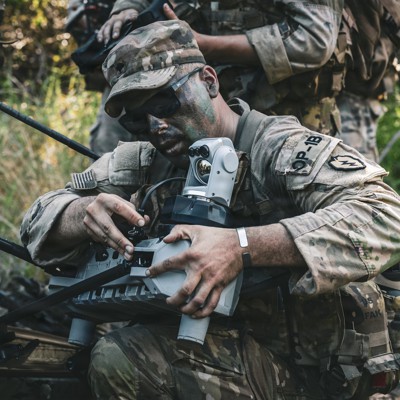
Defense One describes multiple examples of rapid integration. The 25th Infantry Division recently used uncrewed vehicles, vessels, and aircraft in a simulated battle during Exercise Balikatan 2026 in the Philippines. At LANPAC, Gen. Ron Clark pointed to systems including the Kestrel, a first-person-view quadcopter produced by soldiers at The Forge and adaptable for munition drops or one-way attack, and the Skydio X10 for short-range reconnaissance and surveillance.
Clark’s formulation was direct: in today’s fight, the Army should not send a soldier when it can send an unmanned system instead. That is more than a procurement slogan. It suggests a doctrinal preference to push risk outward through robotics wherever practical.
Defense against drones is becoming foundational
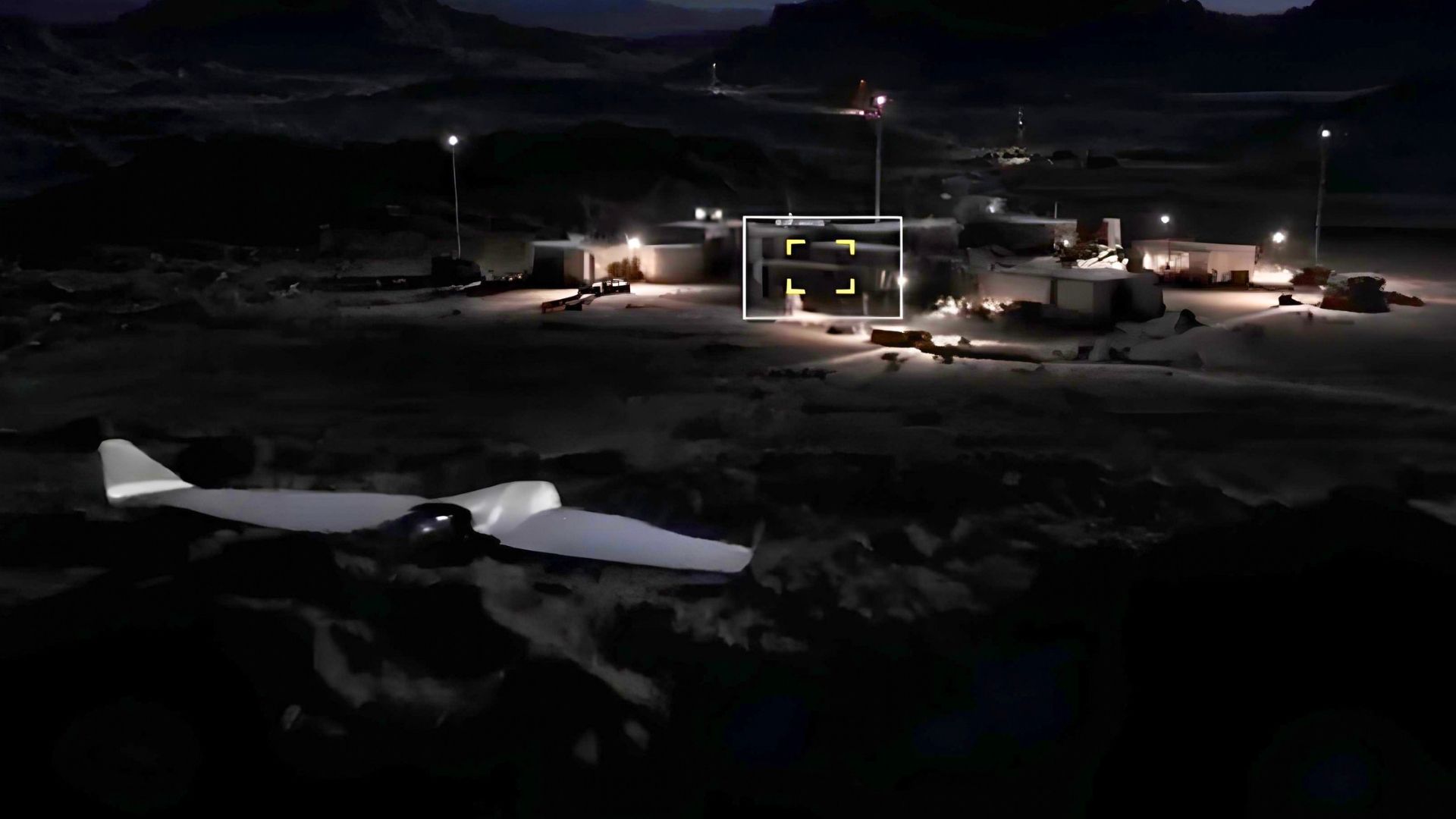
The proliferation of drones also forces a defensive rethink. I Corps commander Lt. Gen. Matthew McFarlane told reporters that passive defense measures are increasingly important. That includes burying command posts, covering them, and making them harder to detect from the air.
This point is easy to underestimate. Counter-drone discussion often centers on interceptors, electronic warfare, or directed energy. But the source material emphasizes simpler forms of survivability: concealment, hardening, and reduced signature. In a world saturated with cheap aerial sensors and attackers, basic protective discipline gains renewed strategic value.
Why this changes more than equipment lists
The real shift is conceptual. Cheap drones alter the economics of exposure. They can make troop movements, command nodes, and traditional assault formations easier to observe and potentially easier to strike. That pressure forces militaries to reconsider how visible they can afford to be, how quickly they must move, and how much of the mission can be delegated to expendable systems.
It also changes the innovation cycle. Because these systems are comparatively inexpensive and adaptable, military organizations can experiment faster, field new concepts sooner, and iterate in response to operational feedback. That speed advantage is one reason commanders increasingly talk about innovation as something practiced in the field rather than promised in acquisition briefings.
The next phase
Army leaders at LANPAC were not treating drones as the end state. The discussion was about what comes next after cheap, proliferated systems become normal. That implies a future contest over scale, autonomy, defenses, and integration across land, air, and maritime operations.
For now, though, the battlefield lesson is already clear. Uncrewed systems are no longer just adding capability at the margins. They are changing how commanders think about risk, protection, and the viability of traditional approaches to combat.
This article is based on reporting by Defense One. Read the original article.
Originally published on defenseone.com