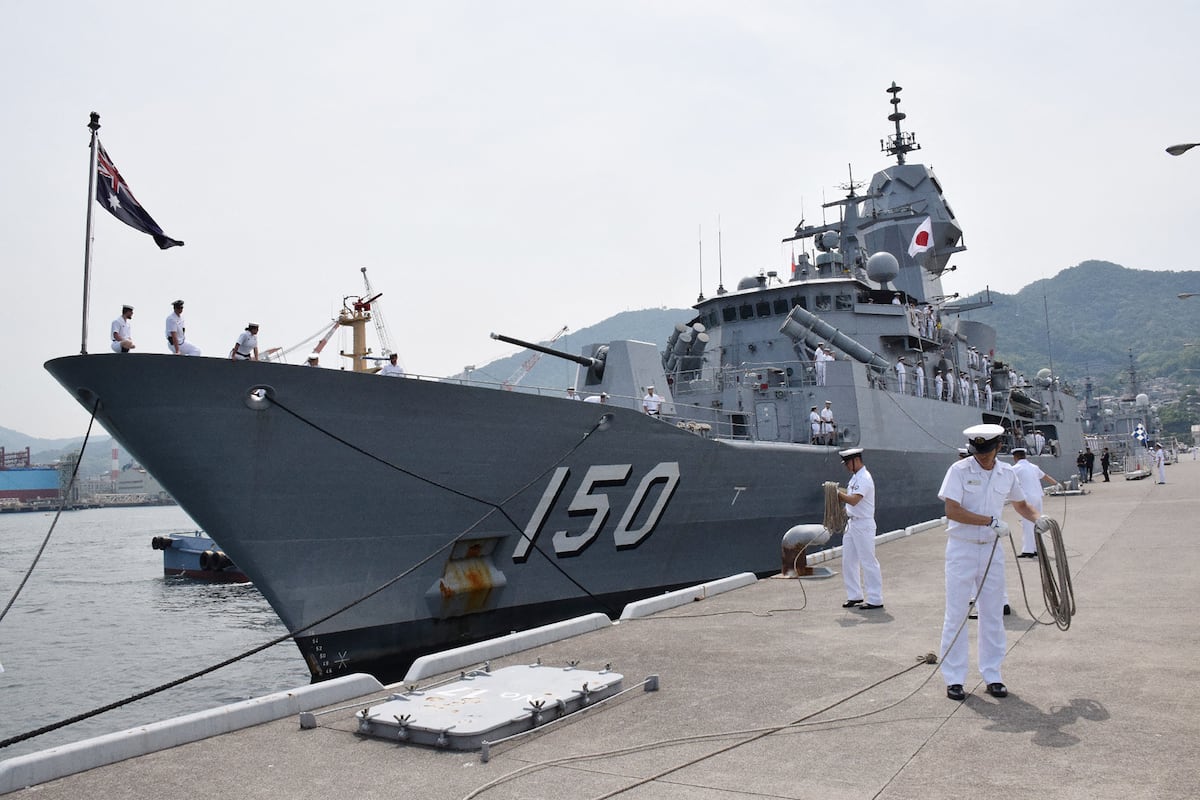
Canberra is moving from warning language to harder commitments
Australia has updated two core planning documents, the National Defence Strategy 2026 and the Integrated Investment Program 2026, and paired them with a substantial funding increase. Together, the documents mark a notable shift in posture: more money, broader planning assumptions, and clearer prioritization of capabilities shaped by long-range deterrence, undersea warfare, autonomous systems, and air defense.
Defence Minister Richard Marles said defense accounts would receive an additional A$14 billion over the next four years and an extra A$53 billion over the coming decade. The government also set out an aim for defense spending to reach 3% of gross domestic product by 2033-34, with cumulative expenditure over the decade projected at A$887 billion.
That scale matters not just as a budget number but as a signal. Australia is treating its strategic environment as structurally more dangerous, not temporarily unsettled. The updated strategy says the country has entered “a more dangerous and unpredictable era,” warning of a world in which thresholds on the use of force are eroding and the risk of coercion is climbing to levels not seen since World War II.
The new strategy is broader than the last one
This is the first revision since the National Defence Strategy launched in 2024, and one of the clearest differences is scope. The previous strategy drew criticism for reading largely as a military planning document. The 2026 version broadens national defense to include civil preparedness, fuel security, and economic security.
That change is significant. It reflects a growing recognition across allied governments that military power cannot be separated cleanly from logistics, infrastructure resilience, industrial capacity, and civilian readiness. In a prolonged crisis, stockpiles, transport systems, communications, and domestic continuity can be as decisive as order-of-battle calculations.
The new strategy also stresses greater self-reliance, stronger sovereign industrial resilience, improved coordination with regional partners, and capability acquisition plans designed around more urgent needs. Australia is not abandoning alliances in that framing. In fact, the document explicitly reaffirms the continuing importance of security arrangements, interoperability, intelligence sharing, and industrial collaboration with the United States. But it is pairing that reaffirmation with a stronger insistence on national resilience and domestic capacity.
Where the money is going
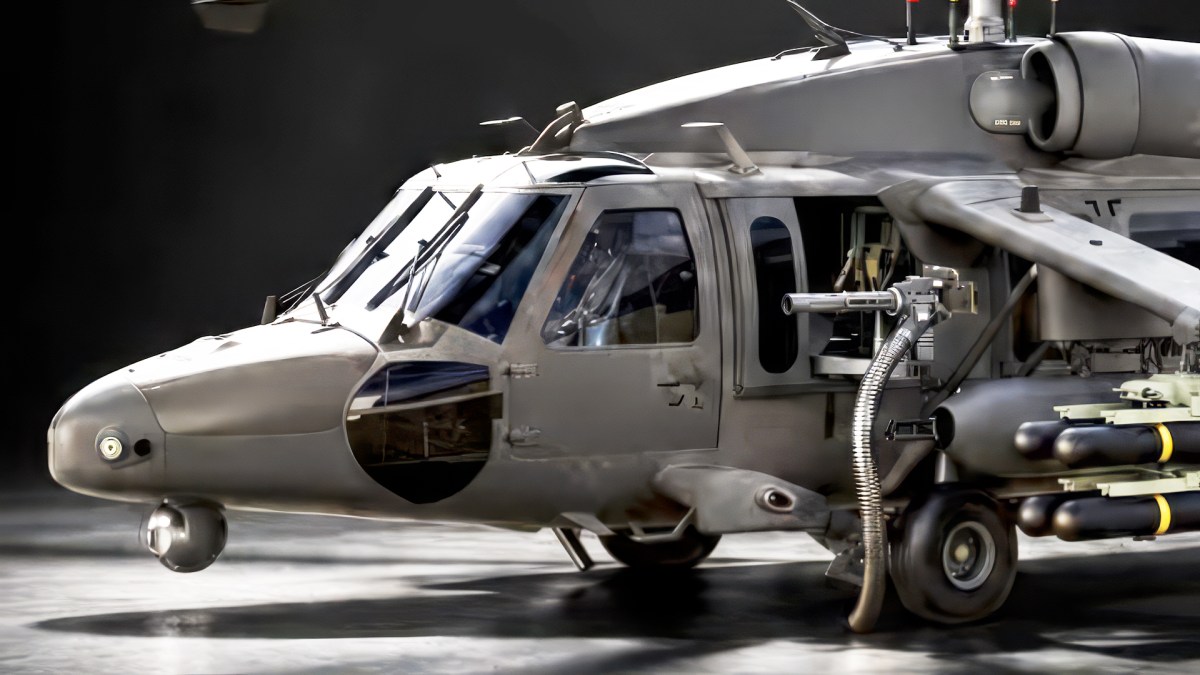
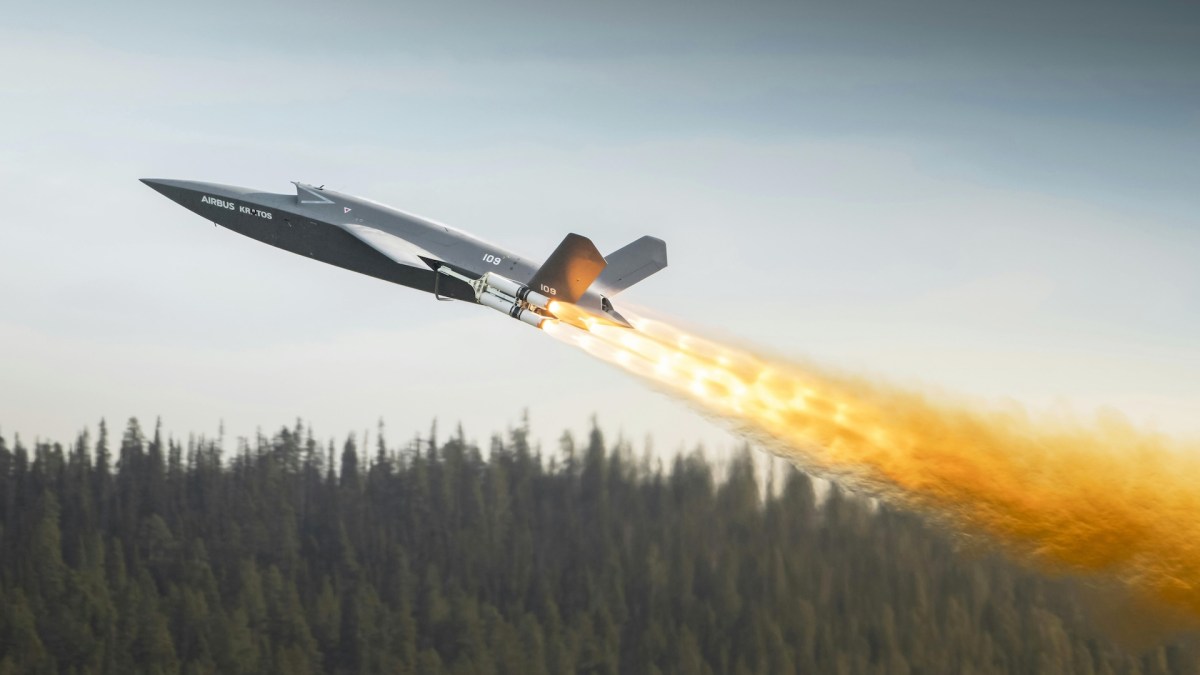
The Integrated Investment Program allocates A$425 billion over the next decade to accelerate capability improvements. Among the most prominent priorities are undersea warfare, more lethal maritime capabilities, and expanded long-range strike. The Australian Defence Force is also expected to adopt more autonomous and uncrewed systems, while building tools to counter equivalent systems used by adversaries.
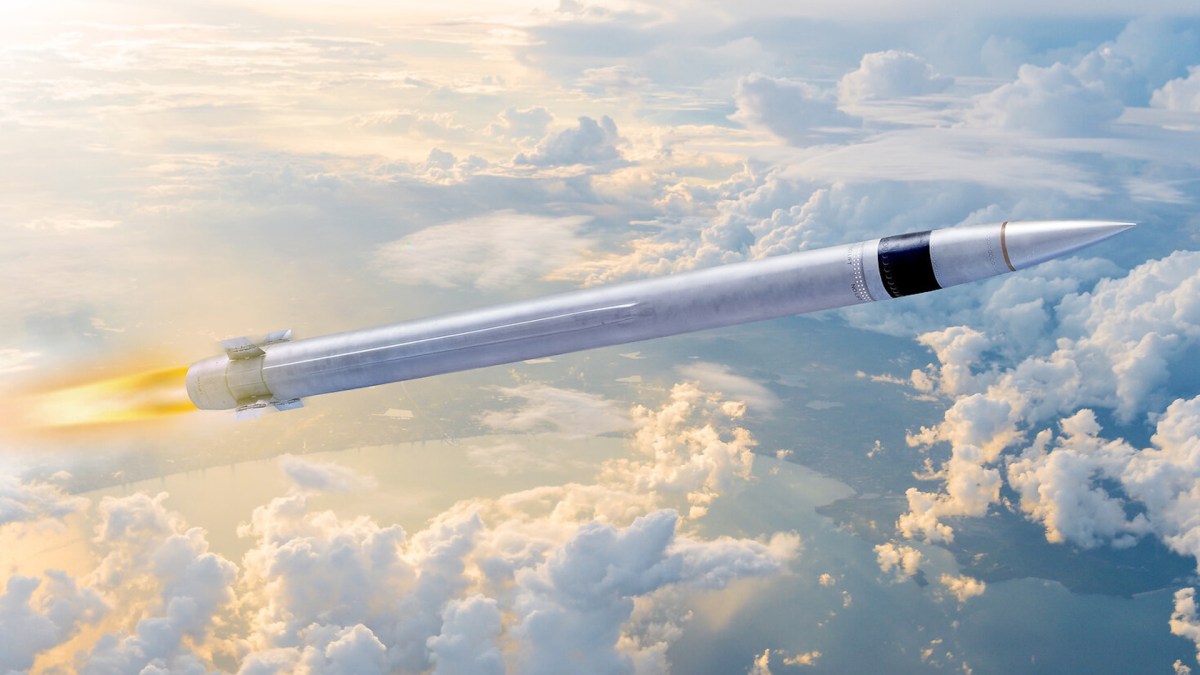
Satellite communications and integrated air and missile defense are also highlighted. The air-defense piece is especially important because the document reportedly acknowledges serious deficiencies in that area and says a medium-range air defense program will commence as a priority from 2026.
That language suggests a more focused willingness to close gaps rather than simply describe them. In practical terms, Australia appears to be prioritizing systems that improve survivability, reach, and persistence across a large theater, while also addressing vulnerability to missile threats and contested communications environments.
These are not random acquisitions. They map closely to a regional security outlook defined by longer distances, more capable missile forces, pressure on maritime approaches, and the increasing role of uncrewed systems. The package reads less like general modernization and more like deliberate adaptation to a specific threat environment.
The policy message behind the procurement list
Defense documents often bury the real story inside procurement categories, but here the pattern is unusually clear. Undersea warfare and long-range strike point to deterrence through reach. Autonomous systems point to scale, persistence, and cost-effective force multiplication. Satellite communications and missile defense point to surviving in a more disrupted battlespace.
Just as important is the emphasis on industrial and civil preparedness. That signals a government thinking beyond peacetime efficiency. In a more contested world, dependence on fragile supply chains and thin domestic resilience becomes a strategic weakness. By expanding the definition of defense to include fuel and economic security, Canberra is effectively saying that national power starts well before the moment weapons are used.
The documents also indicate that proportionately, not everything has changed since the prior plan. But the direction of travel is harder to miss now because the rhetoric, investment trajectory, and priority list align more tightly than before.
Alliance, self-reliance, and the balancing act
One of the most politically important aspects of the update is how Australia is balancing reliance on allies with the need for greater self-reliance. The strategy explicitly maintains that ties with the United States remain critical. That is a continuity message intended to reassure both domestic and international audiences.
At the same time, the strong focus on sovereign industrial resilience and civil preparedness reflects awareness that alliances do not eliminate national obligations. Interoperability helps, but it does not substitute for domestic production capacity, air defense depth, or the ability to sustain operations when supply chains are strained.
This dual message is likely to define Australian defense policy for the next decade: stay tightly integrated with the U.S. and regional partners, but reduce the amount of risk embedded in assuming external support will always arrive at the right speed and scale.
Why the update matters beyond Australia
Australia is not the only country revising strategy around a more contested Indo-Pacific and a more coercive global environment. But its update is worth watching because it blends budget expansion, force-planning priorities, and national-resilience language into a single framework. Many governments discuss those pieces separately. Canberra is trying to connect them.
The result is less a dramatic doctrinal rupture than a more mature version of a trend already underway: defense planning that treats deterrence, industrial policy, and societal resilience as parts of the same problem. Whether the spending target reaches 3% of GDP on schedule is a future political question. Whether the acquisition programs stay on time is an implementation question. But the strategic intent is now clearer.
Australia is telling its military, its industry base, and its partners that the decade ahead will demand more endurance, more self-reliance, and more urgency. In that sense, the most important part of the 2026 update may not be any single weapons line. It is the fact that the country is planning as though its warning time is shorter and its margin for error smaller.
Key takeaways
- Australia plans an additional A$14 billion in defense spending over four years and A$53 billion over a decade.
- The government aims for defense spending to reach 3% of GDP by 2033-34.
- Priority areas include undersea warfare, long-range strike, autonomous systems, satellite communications, and medium-range air defense.
- The updated strategy broadens national defense to include civil preparedness, fuel security, and economic security.
This article is based on reporting by Defense News. Read the original article.
Originally published on defensenews.com