Volkswagen gives one of its most important U.S. vehicles a full rethink
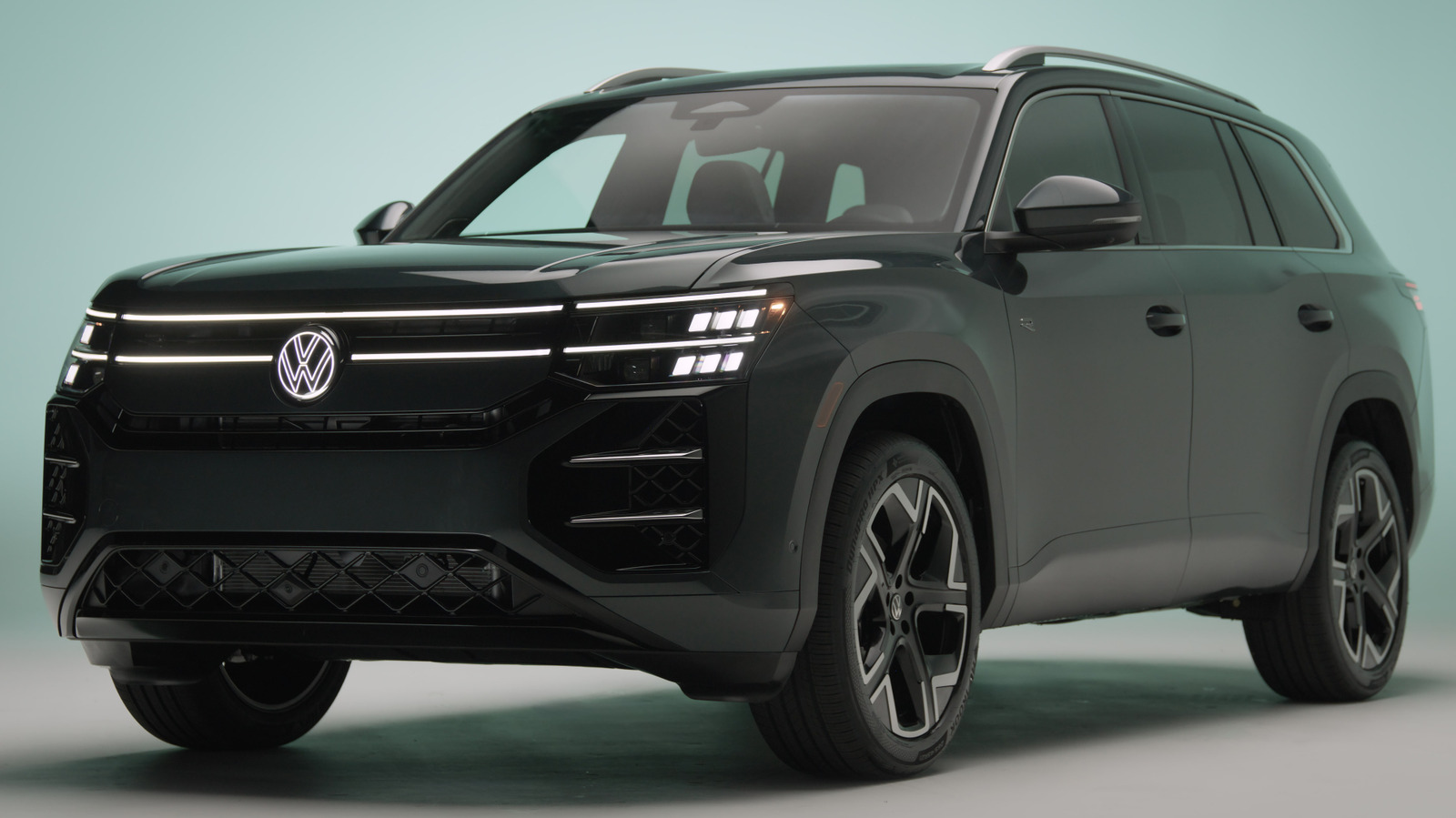
Volkswagen is overhauling the Atlas for 2027, and the message is clear: this is not a light refresh. The automaker is repositioning one of its most important vehicles with a more upscale design, more standard family-focused features, upgraded tech, and additional power from a GTI-derived EA888 turbocharged four-cylinder engine.
The Atlas matters because it already carries substantial weight in Volkswagen's U.S. business. According to the supplied source text, the Atlas and Atlas Cross Sport accounted for 30% of VW sales last year, and the broader Atlas line has sold more than 572,000 units in the United States through 2025. That kind of volume gives the redesign strategic importance well beyond styling or trim updates. It is a test of how Volkswagen plans to compete in one of the most commercially unforgiving segments in the market: large family crossovers.
A move upmarket without abandoning the family brief
Externally, Volkswagen appears to be pushing the Atlas toward a more premium visual identity. The source describes a stronger beltline, harder angles, a more upright grille, muscular fenders, and a flush tailgate treatment. LED light bars and illuminated VW badges deliver the current industry standard for visual tech signaling, while new paint colors and larger wheel options add some showroom impact.
But the more important shift may be philosophical. The new Atlas is described not simply as bigger or newer, but as more "family-friendly" and more upscale at once. That is the formula many mainstream brands are pursuing: make the practical vehicle feel less utilitarian without compromising the space and convenience buyers actually need. In that sense, the Atlas is following a market truth. Family vehicles do not only compete on capacity anymore. They compete on perceived status, cabin experience, and how little they feel like a compromise.
More power from a familiar performance source
The GTI connection is one of the more interesting details in the redesign. Volkswagen says engineers extracted more power from the EA888 turbocharged four-cylinder, an engine line associated with some of the brand's better-known performance products. In the Atlas, the goal is not to turn a three-row crossover into a hot hatch. It is to give a large family vehicle enough responsiveness to avoid feeling burdened by its own size.
That matters because the midsize and large crossover segments increasingly force manufacturers to balance efficiency, packaging, and drivability. Buyers want room and features, but they do not want a vehicle that feels inert. More power from a familiar turbo four is a pragmatic answer, especially when paired with a redesign that aims to make the Atlas feel more modern across the board.
Technology and comfort are now baseline competitive tools
The supplied text repeatedly emphasizes standard features, family use, and upgraded tech. That reflects where the segment has gone. Features once treated as upper-trim incentives now function as entry requirements. A vehicle in this class is expected to handle multiple passengers, large amounts of cargo, and a long list of digital expectations with little friction.
Volkswagen's redesign suggests it understands that the Atlas must do more than carry people. It must reduce household hassle, look credible in a competitive driveway, and justify its place against rivals that have become increasingly polished. The company is also signaling future flexibility, noting that a hybrid is expected later in the model cycle.
The result is a more ambitious Atlas: more styled, more equipped, and more intentionally positioned as a central family vehicle rather than a purely practical one. For Volkswagen, that is not cosmetic. It is a play to defend one of its highest-volume nameplates with a product that tries to feel less like a compromise and more like an upgrade.
This article is based on reporting by Jalopnik. Read the original article.
Originally published on jalopnik.com