Good morning. Here's your Developments Today weekly brief for the week of October 12 – October 18, 2026.
This week, two themes stood out: pressure to make powerful technologies safer and more accountable, and a growing focus on earlier, more precise health interventions. From AI safeguards and cyber resilience to cancer risk and climate-linked hazards, the common challenge was turning warning signs into practical action.
In technology policy, Microsoft President Brad Smith called for stronger AI safety rules, including emergency kill switches and obligations to people harmed when rogue AI agents breach systems. Satya Nadella added that advanced systems must be observable, testable and containable.
Britain is signaling much the same direction, with AI minister Kanishka Narayan expected to press frontier-model developers for stronger safety efforts while the government reinforces cyber defences and domestic AI infrastructure. Together, the two stories show AI governance shifting beyond principles toward operational controls, incident responsibility and protection against model theft.
In health, a study of 771 previously hospitalized COVID-19 patients linked very severe long COVID to distinct microbial patterns in the mouth and lungs. The work identifies an important association, not a cause or a treatment, but it may help guide future research into why severe symptoms persist.
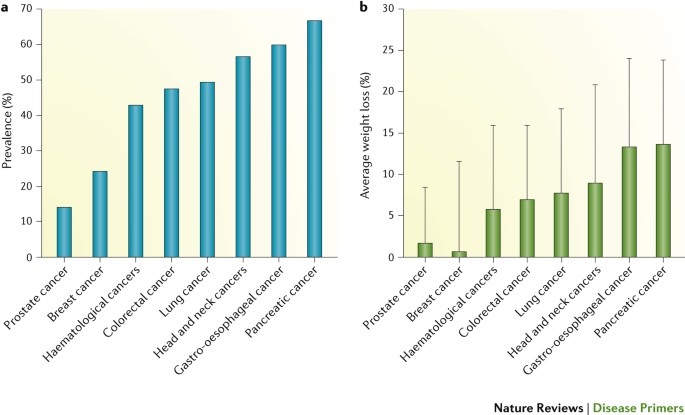
Cancer research also emphasized the value of earlier signals. A study of 52,236 patients mapped cachectic weight-loss episodes near disease progression and built externally validated risk models for lung, colorectal and prostate cancers.
A separate prospective study of 1,071 women diagnosed with breast cancer by age 40 found that lower income was tied to delays in seeking care, while younger age was tied to diagnostic delays. Because diagnostic delays were associated with a higher likelihood of late-stage disease, the findings underline how clinical innovation and access to timely care must advance together.
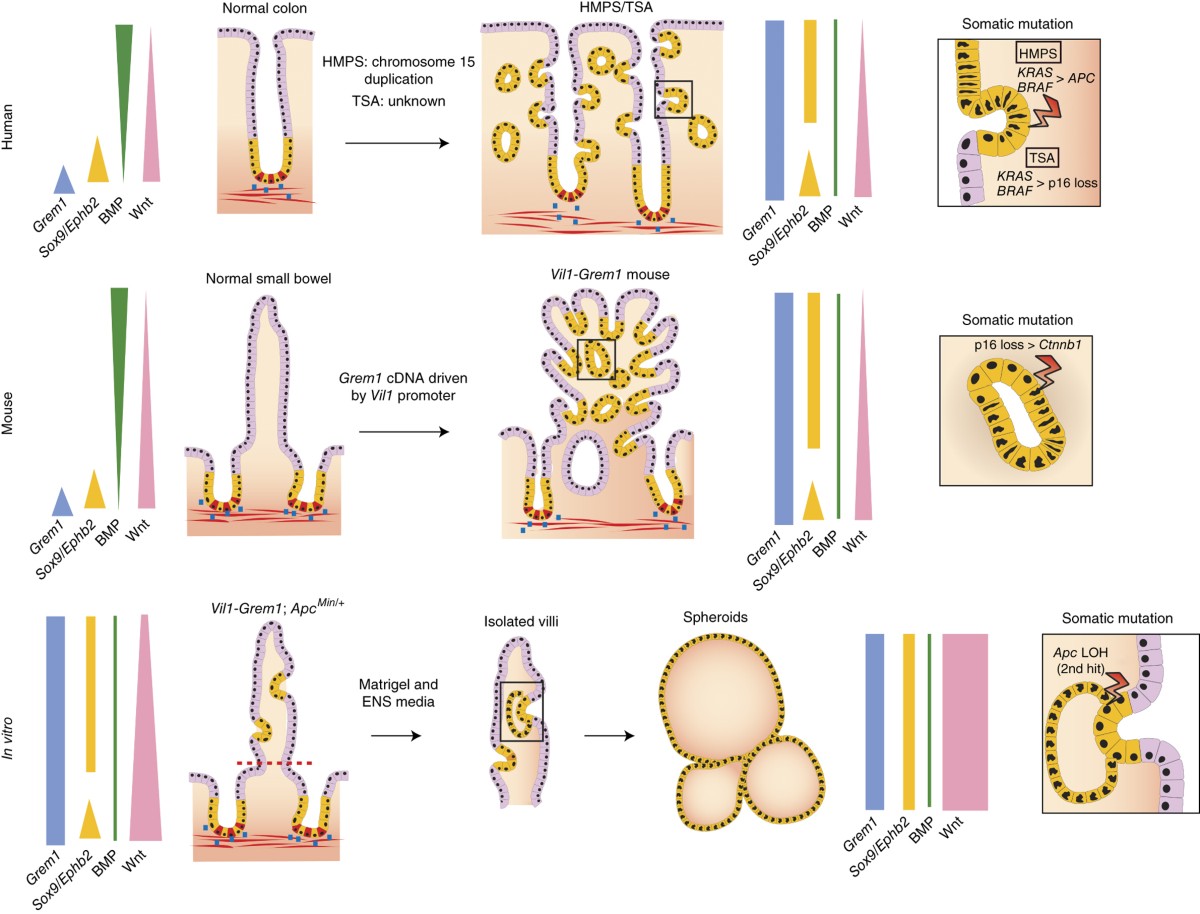
Researchers also published a Nature Medicine addendum to work on GREM1-driven colorectal tumorigenesis, which challenges a strictly stem-cell-centered view of where some tumors begin. The conclusion remains on the record, though readers should consult the linked paper for the addendum’s specific clarification.
Elsewhere, a small randomized pilot of 48 healthy volunteers found low-dose LSD was associated with faster sustained-attention responses among women, but not men. It is a preliminary result, not evidence of a treatment benefit, and another reminder that sex-specific effects deserve closer testing.
In science, a UN draft review found nations off track on their 2030 commitment to halt and reverse nature loss, raising the stakes for COP17 in Yerevan. Negotiators face renewed pressure to translate broad biodiversity pledges into concrete changes, particularly around agricultural and fossil-fuel incentives.
That urgency was visible off Mexico’s west coast, where Category 3 Hurricane Simon shifted away from an immediate direct landfall but still threatened severe winds, exceptional rain and waves up to nine metres. The storm is a reminder that reduced landfall odds do not eliminate risks for exposed coastal communities.
MIT researchers introduced a hybrid quantum-computing toolkit designed to simulate strong light-and-matter interactions by pairing qubits with microwave cavities. The goal is to model these systems more efficiently while reducing the heavy error-correction demands of conventional approaches.
And in transportation, a retro test put a 1993 Camaro V6 at 8.8 seconds from zero to 60, slower than a same-year Nissan Altima. Modern turbo-four muscle cars illustrate how far base-model performance has moved, with a 2016 Camaro 2.0T reaching 60 in 5.4 seconds in testing.
That's your weekly brief. Stay curious.