A New Supply Chain Shock
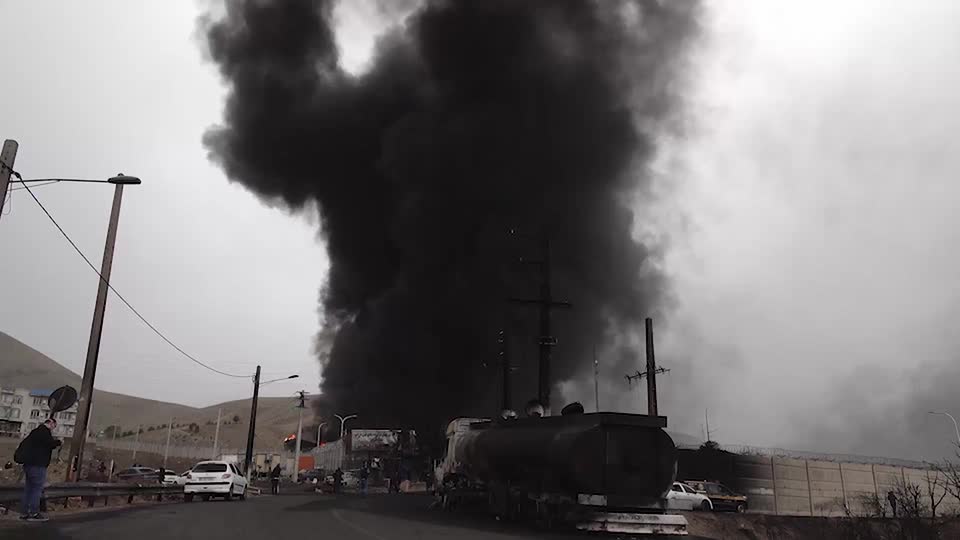
The military conflict in Iran is sending shockwaves through the global automotive industry, disrupting vehicle shipments, threatening parts supply chains, and adding geopolitical risk to an industry already navigating one of the most complex transformations in its history. The disruptions come at a particularly vulnerable moment for automakers that are managing the expensive transition to electric vehicles while trying to maintain profitability in their traditional business.
Shipping through the Strait of Hormuz, the narrow waterway connecting the Persian Gulf to the open ocean, has been significantly impacted by the conflict. Approximately 20 percent of the world's oil passes through the strait, and the military operations have created hazards for commercial shipping that have caused insurers to raise premiums and some carriers to reroute vessels around the Cape of Good Hope — adding weeks and significant cost to deliveries.
The disruptions affect both finished vehicle shipments and the flow of components from suppliers in the Middle East and surrounding regions. Several automotive parts suppliers with facilities in the Persian Gulf states have reported production interruptions due to workforce dislocations and logistics complications.
VW and European Automakers Hit Hardest
European automakers, particularly Volkswagen Group, face the most acute impact. VW was already in the midst of a difficult recovery program involving factory closures and workforce reductions when the conflict began. The additional supply chain disruptions threaten to undermine recovery timelines and add costs that the company's restructuring plan had not anticipated.
VW sources a significant portion of its components from suppliers with operations in Turkey and the broader Eastern Mediterranean region, where military operations and associated economic uncertainty have complicated logistics. The company has activated contingency supply chains but acknowledged that alternative sourcing carries higher costs and longer lead times.
Other European automakers including Stellantis, BMW, and Mercedes-Benz are monitoring the situation and adjusting production schedules to account for potential component shortages. The German automotive industry association has called on the government to provide support for companies affected by conflict-related supply disruptions.
Oil Prices and the EV Calculus
The conflict has driven oil prices sharply higher, with Brent crude exceeding $110 per barrel for the first time since 2022. While higher fuel prices historically boost consumer interest in electric vehicles, the automotive industry's current EV economics make this dynamic more complex than it appears.
Most automakers are losing money on electric vehicle sales, subsidizing EV prices to build market share while hoping that scale economies will eventually bring costs below revenue. Higher oil prices increase EV demand but do not improve EV profitability, potentially accelerating the timeline for a transition that many companies are not yet financially prepared to make at greater volume.
The oil price spike also affects the cost of manufacturing and shipping vehicles regardless of powertrain type. Petrochemical-derived materials including plastics, synthetic rubber, and paints represent a significant portion of vehicle manufacturing costs, and transportation costs rise directly with fuel prices.
GM Leadership Responds
General Motors announced leadership changes this week that analysts see as partly a response to the need for more agile supply chain management during the crisis. The company has elevated executives with logistics and supply chain backgrounds into more prominent roles, signaling that managing disruptions will be a top priority for the foreseeable future.
GM's supply chain organization, which was reorganized after the semiconductor shortage of 2021-2022, is better prepared for disruptions than it was five years ago. The company maintains larger component inventories and has diversified its supplier base to reduce dependence on any single region. However, the scale of disruption from a major Middle Eastern conflict exceeds the scenarios that most automotive supply chain plans were designed to handle.
Japanese and Korean Manufacturers Adapt
Japanese and Korean automakers, who rely heavily on maritime shipping for both exports and component imports, have been particularly proactive in adjusting to the disruptions. Toyota and Hyundai have both activated alternative shipping routes and adjusted production schedules to prioritize vehicles and markets where logistics disruptions are least severe.
Kia's decision to end production of the Soul after 17 years, announced this week, reflects broader strategic choices that predate the conflict but highlight the industry's need to streamline operations during periods of elevated uncertainty. The compact crossover segment that the Soul occupies has become increasingly competitive, and the resources devoted to its production can be redirected to models with stronger demand and better margins.
Looking Ahead
The automotive industry's experience with supply chain disruptions during the COVID-19 pandemic and the semiconductor shortage provides some playbook for managing the current crisis, but the nature of the disruption is fundamentally different. Previous disruptions were primarily about manufacturing capacity and component availability; the current crisis adds physical security risks to shipping lanes and geopolitical uncertainty that makes long-term planning extremely difficult.
Industry analysts caution that the full impact of the conflict on automotive supply chains may not become apparent for several weeks, as components already in transit arrive and new orders encounter the disrupted shipping environment. The duration and intensity of the military operations will determine whether the disruptions remain manageable inconveniences or escalate into a crisis comparable to the worst supply chain failures of the pandemic era.
This article is based on reporting by Automotive News. Read the original article.
Originally published on autonews.com