Samsung says the AI buildout is reshaping its business
Samsung Electronics reported record second-quarter profit and revenue, crediting a surge in demand tied to artificial intelligence infrastructure and advanced memory chips. The results underscore how deeply the current AI investment cycle is influencing the global semiconductor market, from pricing and factory expansion plans to long-term supply contracts with major cloud and platform companies.
According to the supplied Fast Company report, Samsung posted operating profit of 89.5 trillion won, or about $62 billion, for the April to June period, a more than 19-fold increase from a year earlier. Quarterly revenue reached 171.5 trillion won, about $119 billion, also described as an all-time high.
Nearly all of the operating profit came from Samsung’s semiconductor business, the report said, as rising chip prices and higher shipments of advanced high-bandwidth memory products outweighed losses in the company’s mobile, TV, and home appliances division. That imbalance is a revealing indicator of where value is concentrating in the electronics industry: not primarily in end-user devices, but in the memory and compute hardware feeding the global race to build and expand AI systems.
Memory chips are at the center of the AI spending wave
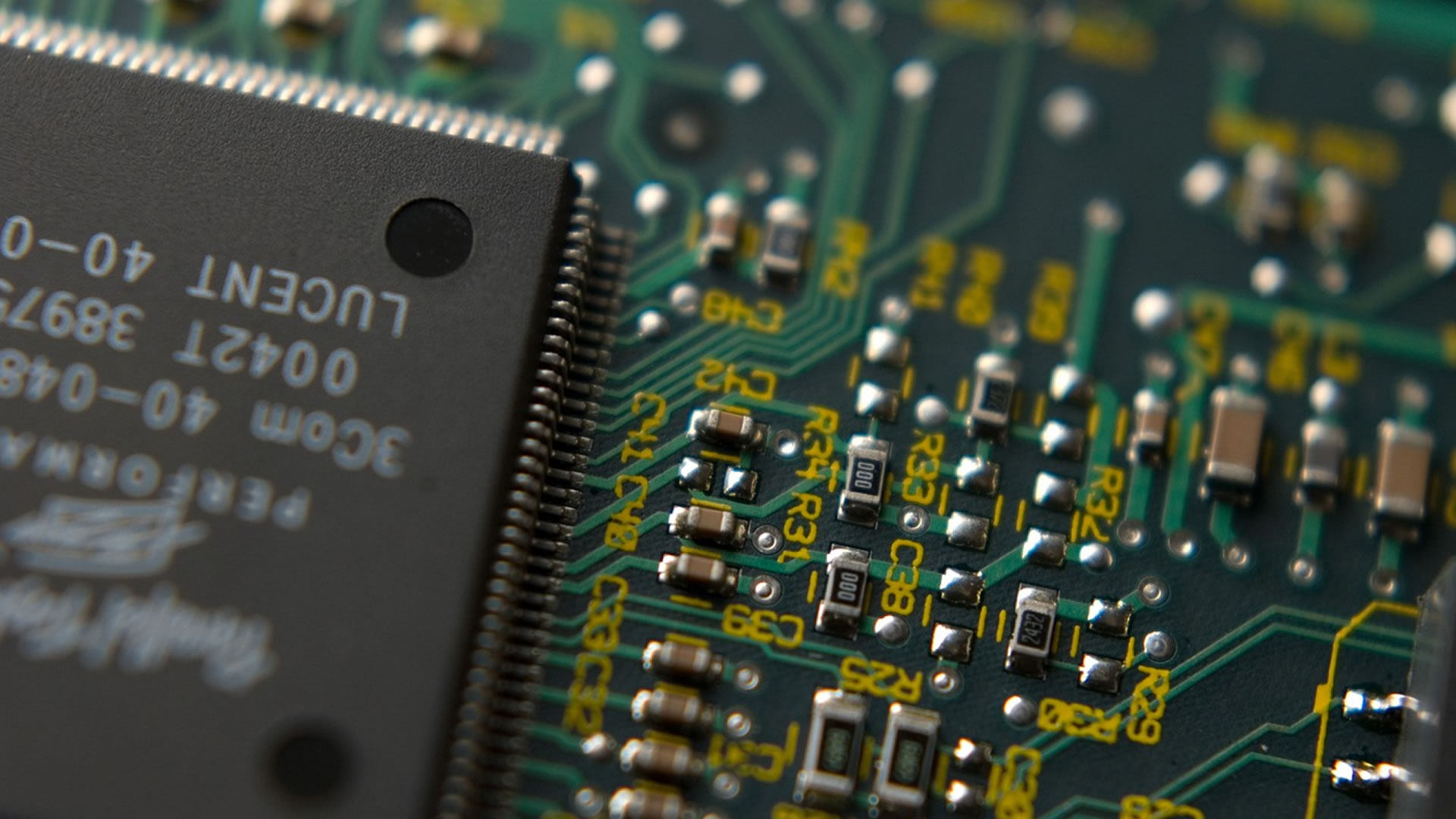
The logic behind Samsung’s quarter is straightforward. Large-scale AI systems require dense, high-performance computing infrastructure, and that infrastructure depends on huge volumes of memory. High-bandwidth memory chips are especially important because they help move data quickly enough to support intensive AI workloads.
As hyperscalers and major technology firms continue to add AI servers and expand data center capacity, demand for these components has increased sharply. Samsung said rising prices for memory products and increased shipments of advanced memory chips were key factors behind the quarter’s performance.
The company also said it expects demand for memory to remain strong in the second half of the year, citing ongoing expansion of AI infrastructure and wider adoption of agentic AI. In Samsung’s view, demand for server chips is likely to accelerate further, keeping the market undersupplied.
That undersupply theme matters. It suggests the current cycle is not only about strong demand, but about a supply chain that still cannot expand fast enough to fully meet it. In that environment, leading producers of memory chips stand to benefit from pricing power, long-term customer agreements, and heightened strategic importance to the broader technology sector.
Why the market still reacted nervously
Despite the scale of the reported profits, Samsung and SK Hynix both saw share price pressure this week in South Korea’s volatile market. The Fast Company report said investors have grown concerned about the companies’ plans to spend heavily on additional manufacturing capacity and about the possibility of intensifying competition from China.
That tension captures the central contradiction in the AI semiconductor boom. On one hand, demand is rising fast enough to produce record earnings. On the other, companies must spend aggressively to keep up, often years before new capacity comes online. Investors then have to decide whether current margins can survive the capital intensity, execution risk, and eventual increase in supply.
The report noted that SK Hynix also posted record second-quarter revenue of 60.5 trillion won, or about $42 billion, a day before Samsung’s results. Yet SK Hynix shares still fell after profit came in below higher market expectations. In other words, the market is no longer rewarding chipmakers simply for strong growth. It is now judging them against the extraordinary expectations created by the AI cycle itself.
Samsung is planning for a longer shortage
One of the most consequential details in the report is Samsung’s outlook beyond this year. Kim Jaejune, an executive in Samsung’s memory chip division, said the company expects the gap between chip supply and demand to widen further in 2027. If that assessment holds, it would imply that the AI buildout is not a short spike but a multi-year industrial shift with continuing consequences for capacity planning, pricing, and geopolitical competition.
Samsung also said it has secured long-term chip supply contracts with what it described as the “five major global data center clients,” a group the report suggested could include Amazon Web Services, Google, Meta, Oracle, and Microsoft. The company is also said to be in discussions with other large technology firms as AI infrastructure demand rises.
Those agreements matter because they point to a market becoming more strategic and more locked in. For customers, securing future supply is increasingly important when memory remains tight. For Samsung, long-term contracts can justify massive capital expenditures by reducing uncertainty around demand.
Texas expansion shows how global the AI hardware race has become
Samsung said it plans to begin construction of its second semiconductor fab in Taylor, Texas, before the end of this year, with a goal of starting production by 2030. That timeline highlights both the ambition and the inertia of semiconductor expansion. Even when companies decide to add capacity now, major fabs take years to build, equip, and ramp.
The Texas project also reflects the wider geographic realignment around chips. Semiconductor manufacturing has become a focal point of industrial policy, supply chain resilience planning, and national competitiveness. For Samsung, building more capacity in the United States supports both commercial demand and a political environment that increasingly treats chip manufacturing as strategic infrastructure.
At the same time, the company’s decision to expand amid a period of exceptional profits carries clear risk. If competition sharpens or demand softens by the time new fabs come online, the economics could look different. But Samsung’s current posture suggests it believes the larger danger is underbuilding during an AI cycle that still appears supply constrained.
A quarter that says more than just “record profit”
The most important takeaway from Samsung’s report is not simply that one company had a very large quarter. It is that memory chips have become one of the clearest industrial bottlenecks in AI. When the companies producing those chips report record revenue, talk about deepening shortages, and lock in long-term supply relationships with the largest data center customers in the world, the story is bigger than earnings.
It is a signal about where power is accumulating in the AI economy. The winners are not only the firms making models and applications, but also the manufacturers supplying the physical components that make AI scale possible.
Samsung’s latest quarter suggests that the next phase of the AI boom will be shaped as much by fabs, memory pricing, and server supply chains as by software breakthroughs. For now, the company’s record results offer one of the clearest financial snapshots yet of how hard the AI hardware cycle is still running.
Key takeaways
- Samsung reported record second-quarter operating profit of 89.5 trillion won and record revenue of 171.5 trillion won.
- The semiconductor business drove nearly all of the profit, supported by rising memory prices and advanced high-bandwidth memory shipments.
- Samsung expects strong demand to continue in the second half, with server chip demand accelerating as AI infrastructure expands.
- The company said the supply-demand gap in chips could widen further in 2027.
- Samsung plans to begin construction of a second fab in Taylor, Texas, before the end of 2026, targeting production by 2030.
This article is based on reporting by Fast Company. Read the original article.
Originally published on fastcompany.com