A New Era of Personal AI
Apple has long positioned its devices as gateways to a more connected and productive life. Now, under the leadership of new CEO John Ternus, the company is refocusing that narrative around artificial intelligence. At Wednesday's hardware event, Ternus opened with a bold vision: Apple's phones, watches, and earphones are increasingly judged by how well they enable and support personal AI experiences. The message was clear - Apple is no longer just selling hardware; it is selling an intelligent personal hub that lives in your pocket, on your wrist, and in your ears.
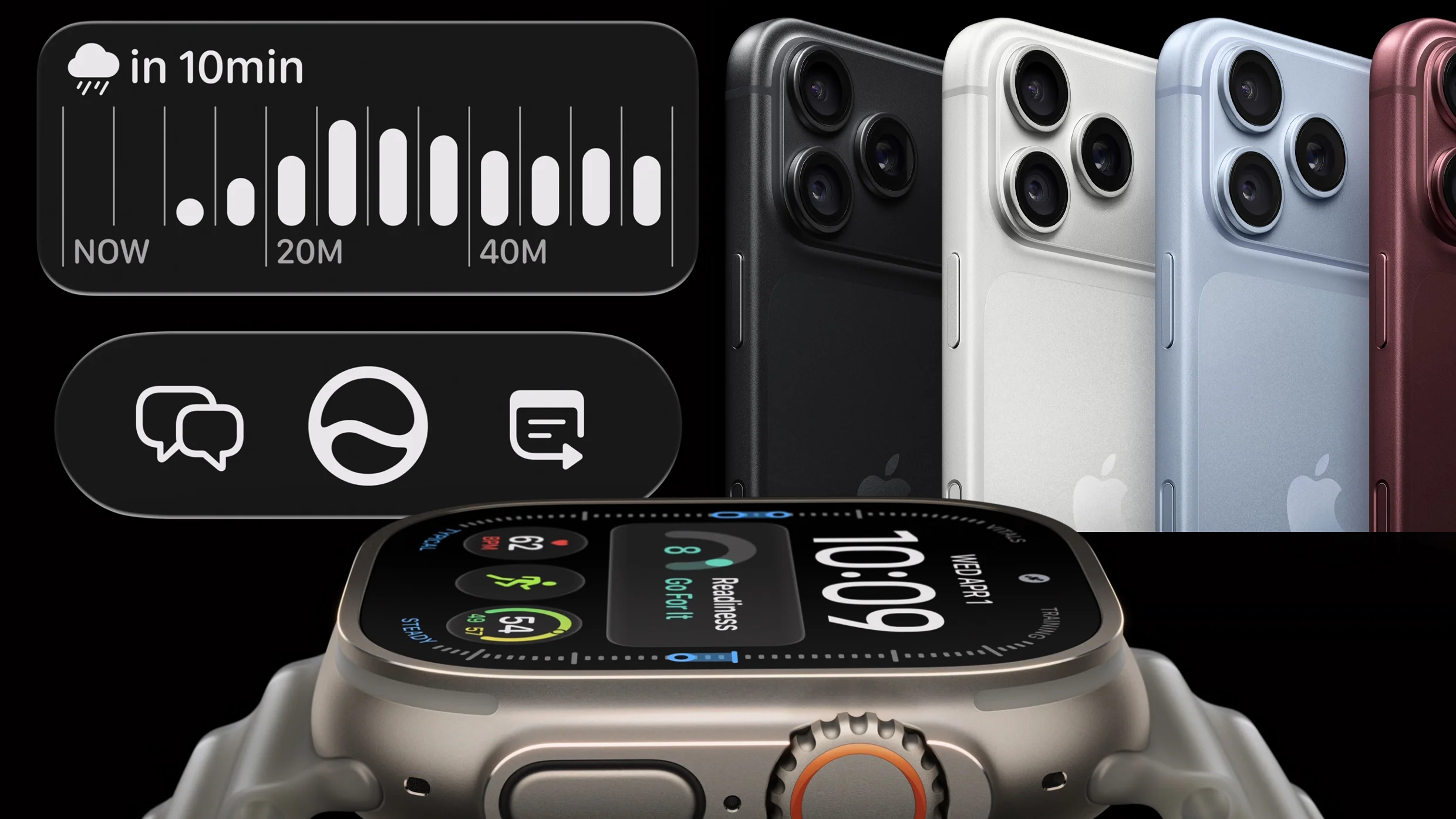
The company introduced a wave of new products, including the iPhone 18 series, a new foldable device called the Duo, AirPods 5, Apple Watch Series 12, and Watch Ultra 4. According to Ternus, these devices are "purpose built to serve as your own intelligent personal hub." That phrase captures the shift in Apple's strategy: hardware is the vehicle, but AI is the destination.
On-Device Intelligence: The Power of the A20 Pro
One of the central themes of the event was Apple's continued push to move AI processing from the cloud to the device itself. This approach offers several advantages: lower latency, improved privacy, and the ability to work offline. Apple has been steadily increasing the power of its in-house chips to support this transition, and the new A20 Pro chips represent a significant leap forward.
The A20 Pro powers the iPhone 18 Pro and Pro Max, as well as the new Duo foldable phone. Apple added a second neural engine accelerator to the A20 Pro, resulting in a dual 16-core Neural Engine that the company says offers twice the compute power for running on-device AI models compared to previous iPhone chips. This extra horsepower is essential for handling complex AI tasks like real-time image analysis, natural language processing, and the new features coming to Siri.
The focus on on-device processing is not just about speed. By keeping data on the device, Apple can offer AI experiences that are more private and secure. Users can run AI models without sending personal information to remote servers, a key differentiator in a market where data privacy is becoming a major concern.

Siri AI: Smarter, More Contextual, and Still in Beta
The centerpiece of the new phones is a new, smarter version of Siri powered by Apple Intelligence. This revamped assistant goes far beyond simple voice commands. It can draw on personal context to help users find what they need across messages, emails, and photos. It can use on-screen awareness to take action on content currently displayed on a user's screen. And it can answer questions about virtually any topic, making it a more versatile and useful companion.
Apple originally announced this AI-powered Siri in spring 2024. However, developmental roadblocks and performance issues forced the company to delay the launch until this year. The wait may be prudent. "It will likely go unnoticed amid the product announcements, but Apple also said today that Siri AI will stay in beta even after the new OS versions featuring it ship later this quarter," said International Data Corp. analyst Tom Mainelli in a statement. "Apple slow rolling Siri AI may prove to be the right call long term."
By keeping the feature in beta, Apple acknowledges that the assistant is still a work in progress. This cautious approach could help avoid the kind of negative backlash that often accompanies half-baked AI launches. For users, it means they will get access to the technology sooner, but with the understanding that it will continue to improve and refine over time.
Introducing Duo: The Foldable That Embraces AI
Among the new hardware announcements, the Duo foldable phone stands out. Apple has entered the foldable market with a device that leverages its dual-screen design to enhance the AI experience. With the Duo's foldable design, users can have a conversation with Siri AI while looking at content on the other side of the screen. This multitasking capability allows for a more immersive and efficient interaction.
For example, a user could be browsing a website on one side of the screen and simultaneously ask Siri a question about the content, without obstructing their view. The dual-screen layout proves to be a natural fit for AI-powered assistance. This integration suggests Apple has designed the Duo not just as a larger-screened phone, but as a canvas for AI interactions.

Camera Intelligence: Visual AI and Computational Photography
Apple also showcased several AI-driven camera features. Siri mode in the iPhones' Camera app allows users to get information and take action on what's in front of them. This could mean identifying a landmark, translating a sign, or getting more information about an object. The visual AI models running on the A20 Pro chip analyze the scene in the camera view in real time.
One notable feature is Smart Take, which automatically captures photos when subjects are posing. This is made possible by on-device AI models that can recognize pose, expression, and timing. The feature is designed to ensure users never miss a perfect shot. Another feature, Spatial Reframing, lets users improve photo composition after capture. Extend and upgraded Clean Up features provide additional editing flexibility.
The new computational imaging pipeline is also powered by the A20 Pro. Apple says this pipeline produces sharper, more detailed shots from the Main camera. These advancements in computational photography continue Apple's tradition of leveraging hardware and software together to deliver outstanding image quality.
Watches and AirPods: Expanding the AI Ecosystem
Apple's vision extends beyond the phone. The Apple Watch Series 12 and Watch Ultra 4 are also part of this AI ecosystem, serving as health and fitness companions that can track data and provide intelligent insights. While the event did not dive into the specific AI features of the watches, Ternus included them in his list of devices that are "purpose built" for AI. The watches are likely to use on-device AI for health monitoring, activity tracking, and personalized coaching.
Similarly, AirPods 5 are expected to play a role in the AI experience, possibly through enhanced Siri integration, real-time language translation, or contextual audio features. As earphones become more sophisticated, they offer a natural interface for AI interactions, especially in mobile scenarios where users may not be looking at a screen.
Together, these devices form an interconnected system where AI is the connective tissue. Apple is betting that across the phone, watch, and earbuds, an intelligent assistant can anticipate user needs, provide proactive suggestions, and streamline everyday tasks.

The Competitive Landscape
Apple's enhanced focus on AI comes as competitors like Google and Samsung are also embedding advanced AI features in their devices. However, Apple's strategy differs in its commitment to on-device processing and privacy. By emphasizing the security of local AI, Apple is appealing to users who are increasingly concerned about how their data is used in the cloud.
The delayed but anticipated launch of Siri AI could also be a strategic decision to ensure a polished product. While slow rolling may leave early adopters wanting more, addressing performance issues before a broad rollout can build long-term confidence. As analyst Tom Mainelli noted, the cautious approach might be the right one.
Looking Ahead
The hardware event showcased a clear direction: Apple's devices are increasingly being evaluated on how well they enable AI experiences. The new A20 Pro chip, the dual Neural Engine, and the array of AI-powered features across the iPhone, Duo, Apple Watch, and AirPods demonstrate Apple's investment in making AI personal, private, and contextually aware.
As Siri AI rolls out in beta later this quarter, users will begin to experience the next phase of Apple's intelligent assistant. The company is positioning itself not just as a maker of devices, but as a provider of personal AI services that live on those devices. Whether the Duo and the rest of the lineup succeed in this market will depend on how well these features resonate with consumers. But for now, Apple has made its intentions clear: the future is on-device, contextual, and personal.
This article is based on reporting by Fast Company. Read the original article.
Originally published on fastcompany.com