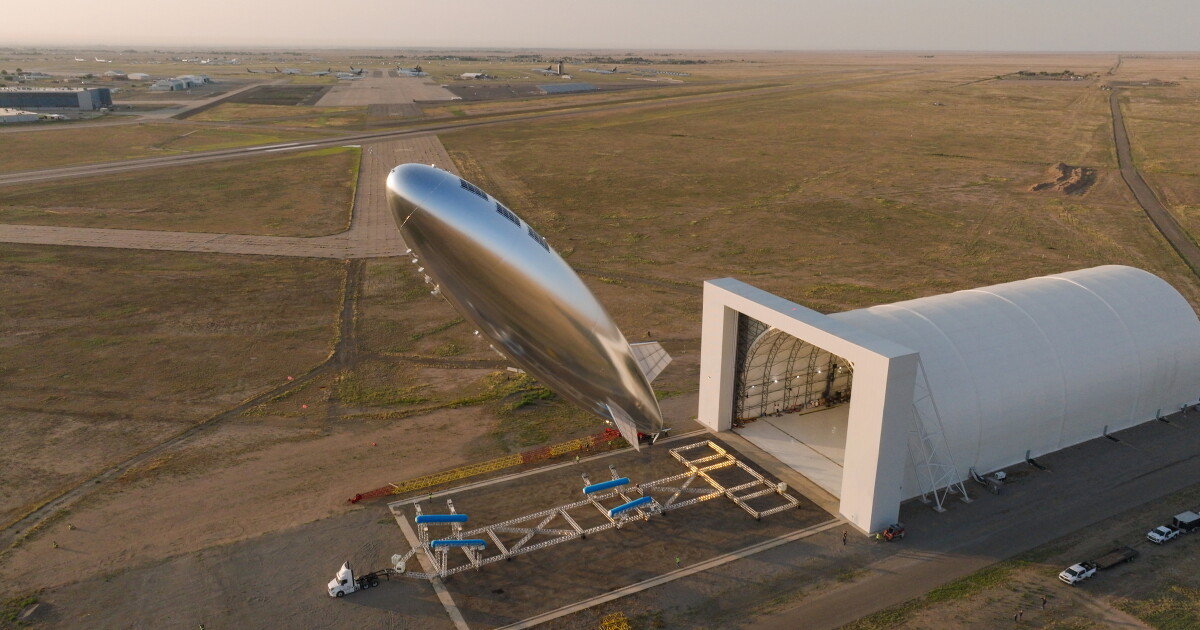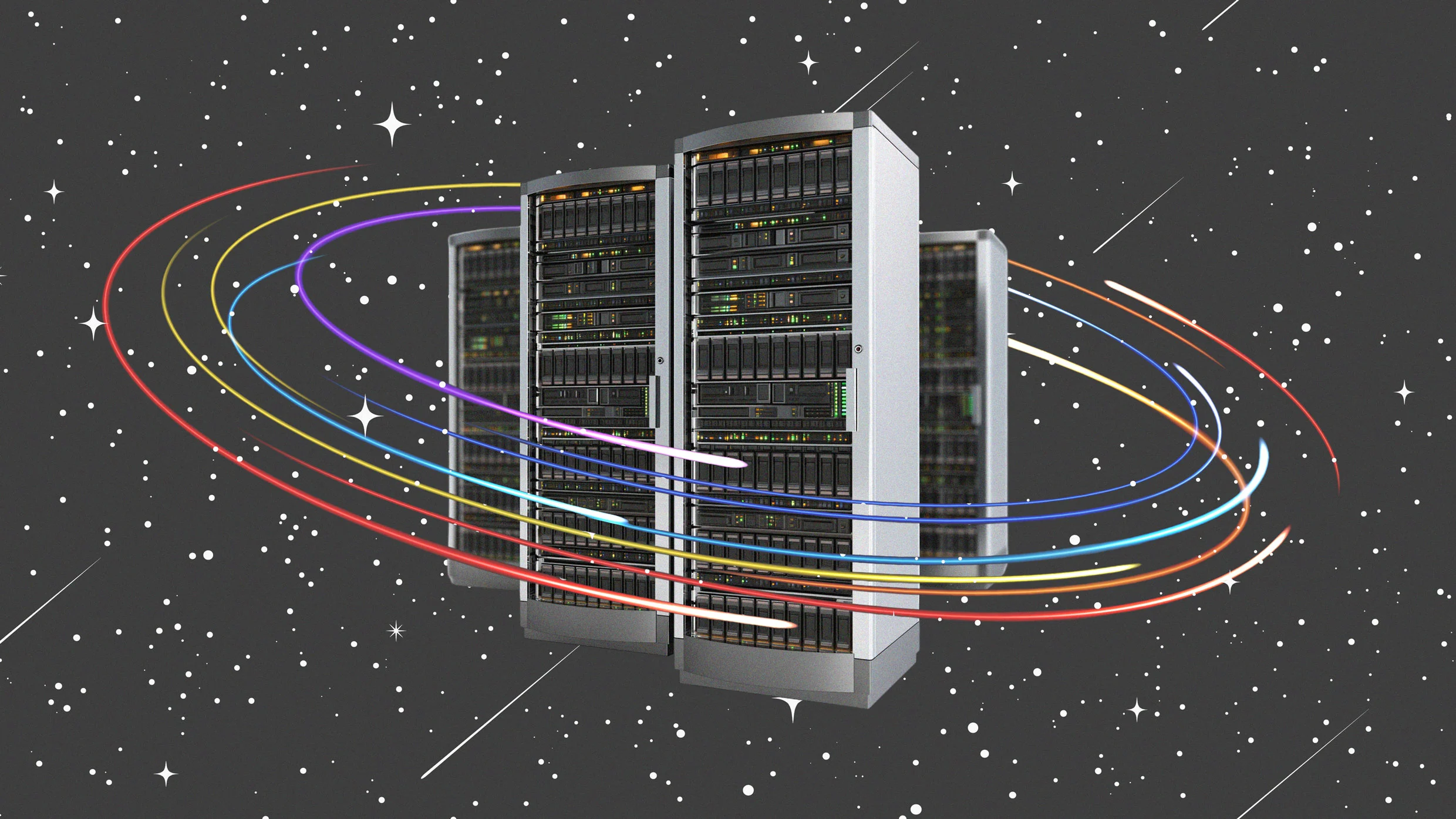
For years, the answer to where artificial intelligence gets its computing muscle has been the same: cavernous warehouses on cheap land near available electricity. A growing group of engineers, founders and investors now wants to move that infrastructure somewhere with no land at all — into orbit. Their case rests on the two most stubborn constraints in modern computing: power and cooling.
The question sounds like science fiction, but it is being treated as an engineering roadmap by some of the largest companies in technology. Early hardware is already in space, and the argument for putting more of it there is being made openly at the highest levels of the industry.
The Power Squeeze Facing AI
The chips that train and run AI models are extraordinarily electricity-hungry, and the wave of new data centers now under construction or on drawing boards is expected to strain the existing power grid severely. Data centers alone are projected to account for nearly half of all growth in U.S. electricity demand between now and 2030, a figure that has reshaped how utilities, regulators and technology firms plan for the coming decade.
That pressure is the root of the orbital computing idea. If the electricity problem on the ground cannot be solved quickly enough, the reasoning goes, then move the computation to somewhere the electricity is essentially free and always available.
Why Orbit Changes the Math
In space, there is no shortage of sunlight to run AI servers. In the right orbit, solar energy is effectively continuous, and the light arriving there is more intense than what reaches the ground, where weather, seasons and the day-night cycle all interrupt collection. Unlike a desert solar farm, an orbital platform does not need to wait for sunrise, and it does not need the battery banks that make terrestrial solar installations so expensive to build and maintain.
Because the power source travels with the hardware, orbiting data centers would not depend on the terrestrial grid at all — an appealing prospect for a technology sector that keeps being told its energy appetite is outpacing what utilities can deliver.
Eight Times the Solar Energy
The scale of the advantage claimed by proponents is significant. Solar panels in space can gather roughly eight times as much energy as comparable panels on Earth, according to the case made for orbital compute. That gap comes from the absence of atmospheric filtering, cloud cover and nighttime downtime. The result is a power supply that needs very little storage to remain steady, which removes one of the costliest components of any ground-based renewable installation.
Beaming Results Back Down
The computing happens in orbit, but the answers have to reach customers on Earth. Under the model being pursued, the output of AI models running on orbital chips would be transmitted to the ground by laser or radio links. Supporters describe the long-term vision as fleets of solar-powered compute swarms circling the planet — modular clusters of processors that draw on uninterrupted sunlight and send their results home.
Bezos, Musk, and the Investor Wave
The concept moved from speculative chatter into mainstream discussion after Jeff Bezos weighed in during a fireside chat in Italy last year. Data centers, he argued, will be better built in space because solar power is available there around the clock. Coming from the founder of Amazon, the remark gave the idea a credibility it had previously lacked.
It spread quickly through the investment community and among startups, many of which began pitching orbital compute as the natural next step for an industry running short of terrestrial options. The narrative gained further momentum when Elon Musk made space-based computing a leading ambition for SpaceX, tying the company's launch capacity to a future market for data processing above the atmosphere.
That combination — a major launch provider, deep-pocketed founders and venture money looking for the next platform shift — has given orbital data centers the kind of backing that turns a white paper into a flight manifest.

Testing Has Begun
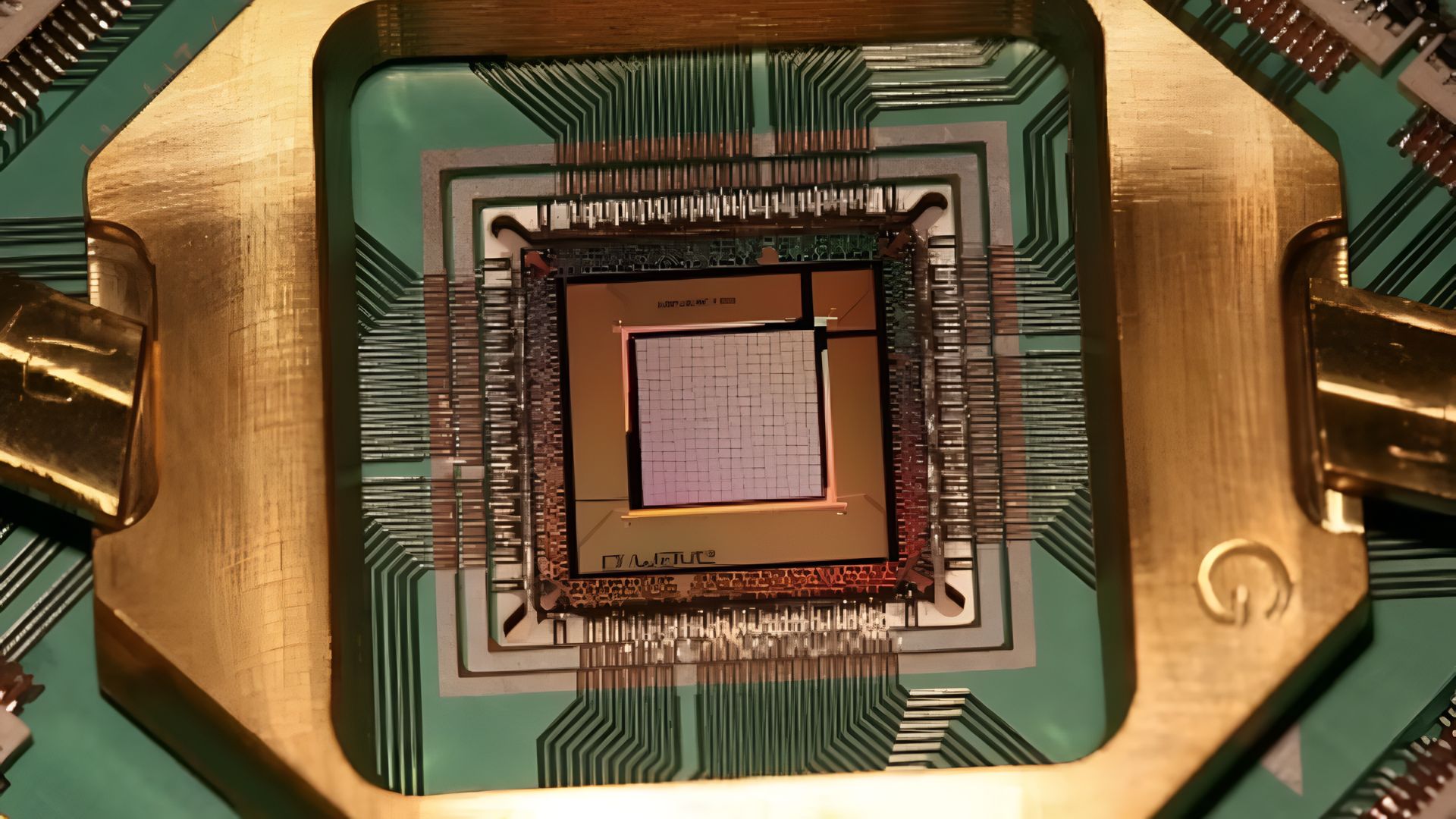
The first concrete experiments are now underway. Google launched four of its homegrown Tensor processing units, or TPUs, into orbit to test the in-space compute concept in real conditions. The chips are orbiting Earth aboard a solar-powered satellite operated by Planet Labs.
The hardware reached space on an uncrewed SpaceX Falcon 9 rocket on October 1. Alphabet, Google's parent company, holds an $82 billion stake in SpaceX, a relationship that illustrates how tightly the launch industry, the AI industry and the orbital computing thesis are now intertwined.
For Google, the flight is a modest but meaningful experiment: a small number of processors used to gather data on how AI silicon behaves and performs outside the protection of the atmosphere.
The Case Against Orbital Data Centers
The idea has no shortage of skeptics. Critics argue that the economics remain daunting, with launch costs, hardware hardening and maintenance all adding up to a bill that terrestrial facilities do not have to pay. Getting processors into orbit is expensive, and once there, they cannot be serviced by a technician with a replacement part.
Some of the supposed advantages also come under fire. Easier cooling, often cited as a natural benefit of operating in the vacuum of space, falls apart under closer scrutiny, according to critics. Heat does not simply disappear in a vacuum; it has to be radiated away, which is a far more demanding engineering problem than it first appears.
The debate, in other words, is not settled. It is a bet on whether the savings from continuous solar power outweigh the costs of launching and operating sophisticated electronics in one of the harshest environments imaginable.

What Comes Next
What is clear is that the push to find out whether orbital computing can actually work is only getting started. Major technology companies are investing in the concept, a growing crop of startups is testing the technology, and the first processors are already circling overhead.
The tests now flying will not settle the economics on their own, but they will answer a narrower and more immediate question: whether AI chips can be expected to run reliably in orbit at all. If they can, the conversation shifts from whether data centers belong in space to how quickly they can be built there.
This article is based on reporting by Fast Company. Read the original article.
Originally published on fastcompany.com