San Francisco Bay is testing AI-powered whale alerts on working ferries
In San Francisco Bay, a tablet mounted on a commuter ferry is doing a job that would have sounded unusual only a few years ago: warning the crew when whales are ahead. When the system detects one, it sends an alert early enough for the captain to slow down or alter course. That is the premise of a new pilot aimed at one of the region’s most difficult environmental collisions, the growing overlap between whale migration and dense commercial traffic.
The project, described in the supplied source text, reflects a practical turn in applied AI. Instead of chasing a general-purpose breakthrough, the system is built around a narrow operational task with immediate consequences: reduce the chance that a vessel strikes a whale. In a crowded waterway where climate-driven ecological changes are bringing more gray whales into the bay, that kind of targeted warning system could become a model for how AI supports conservation without waiting for large regulatory or infrastructure changes.
Why the risk has grown
Researchers involved in the pilot say gray whales were once rare inside the bay, but that is changing as climate change affects marine food sources. The animals are increasingly stopping in the area during their long migration from Alaska to Mexico. The bay, however, is not a benign stopover. It is crisscrossed by cargo ships, cruise ships, oil tankers, ferries, and other vessels, compressing marine life into one of the region’s busiest transportation corridors.
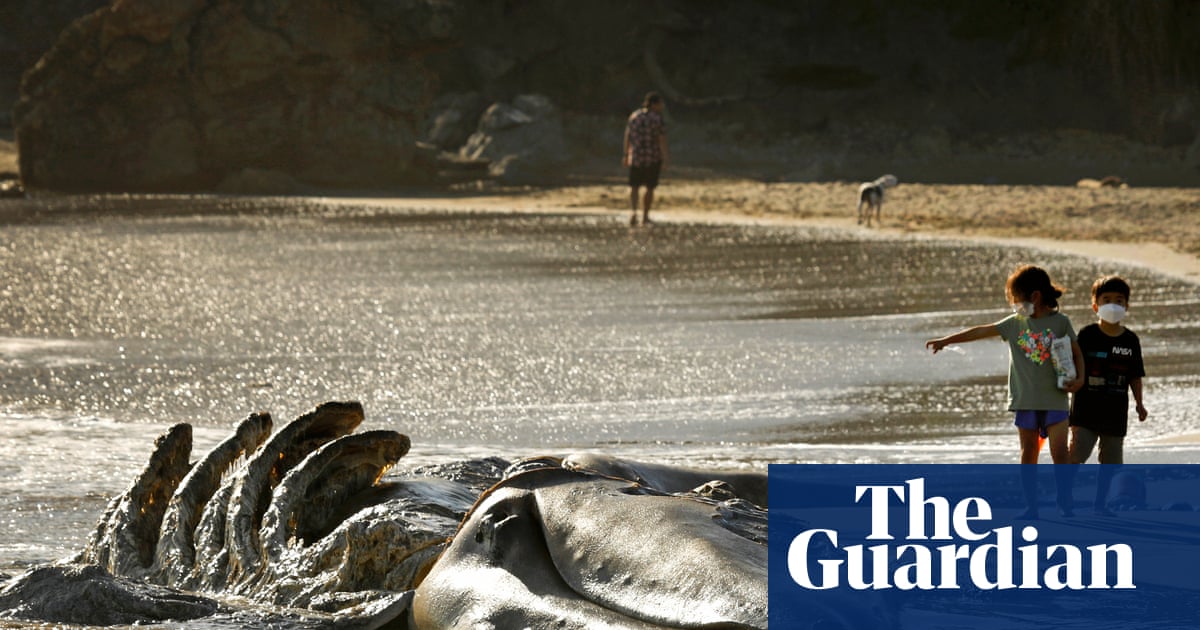
The source text reports that 21 whales died in the bay last year and that 40% of those deaths were attributed to ship strikes. That makes the challenge both ecological and operational. Ferry crews and commercial operators are not merely navigating around weather and traffic. They are increasingly sharing the same routes with large marine mammals whose presence can be hard to predict and difficult to spot in time, especially at night or in fog.
Rachel Rhodes of the University of California Santa Barbara’s Benioff Ocean Science Lab described the situation in blunt terms in the source text, calling it “a recipe for disaster.” The small physical space and heavy vessel traffic mean that collision risk is not an abstract future concern. It is already a measurable source of whale mortality.
How the detection system works
The pilot brings together several layers of sensing and verification. WhaleSafe, a platform run by the Benioff Ocean Science Lab, already tracks reported whale sightings to help alert ships. In Southern California, the group has tested other tools, including acoustic buoys that listen for whale sounds. But the source text notes that gray whales are not especially vocal, limiting the usefulness of acoustic monitoring for this application.
For San Francisco Bay, the partners instead turned to thermal cameras. These cameras can detect the heat signature of a whale’s breath when the animal surfaces. WhaleSpotter, the startup behind the system, uses AI to analyze those thermal images. A network of experts around the world then confirms each whale sighting in real time before an alert is sent.
That workflow matters. It shows the system is not simply an automated vision model making unchecked safety decisions. The AI handles rapid image analysis, but human experts remain in the loop to verify detections. In operational settings where false positives and false negatives both carry costs, that hybrid structure is often more realistic than full automation.
According to the supplied source text, the thermal system can detect whales up to four nautical miles in advance. WhaleSpotter CEO Shawn Henry said the point is to spot whales far enough ahead of a vessel’s danger zone for the captain to take corrective action. In effect, the technology is trying to buy crews time, which is often the most valuable resource in collision avoidance.
What ferry operators are seeing so far
The pilot is using cameras in two locations, one of them on a ferry that already had a human lookout during whale season. That creates a direct operational comparison between trained observation and instrument-assisted detection. The early indication from the source text is that the thermal system can sometimes identify whales slightly before crews can see them with the naked eye or binoculars.
Thomas Hall, director of operations at San Francisco Bay Ferry, said in the source text that alerts have often arrived just before people on board would have made the sighting themselves. That edge may sound small, but on a working vessel it can be the difference between a routine speed adjustment and a rushed evasive maneuver.
The system also addresses conditions where human observation struggles most. It can function at night and in dense fog, when even experienced lookouts can miss surfacing animals. The tablet interface shows the whale’s position on radar, turning a fleeting visual cue into an actionable navigational input. That is a subtle but important step: the tool does not just announce that a whale exists somewhere nearby, it translates detection into something crews can use while underway.
A different kind of AI deployment
What makes this pilot notable is not just the conservation goal. It is the form of AI deployment. Many public discussions of AI still focus on chatbots, image generation, and broad claims about autonomy. This project is narrower and more grounded. It uses machine analysis in combination with sensors, human verification, and a clear decision pathway. The success metric is equally concrete: fewer collisions between vessels and whales.
That does not mean the system is simple. It depends on thermal imaging, robust alerting, expert review, and operator trust. But it is a reminder that some of AI’s most consequential uses may come from modest interfaces attached to physical infrastructure rather than from standalone consumer products. A ferry captain does not need a general-purpose assistant. The captain needs an earlier warning that something large and vulnerable is directly ahead.
What comes next
The pilot is expected to last at least two years, giving researchers and operators time to evaluate how well the system performs across seasons and conditions. That timeline suggests the effort is still in an evidence-gathering phase rather than a finished deployment. Even so, the design points toward a scalable model for other busy coastal routes where marine mammal traffic overlaps with commercial shipping.
If the system proves reliable, it could strengthen a broader toolkit for whale protection that already includes reported sightings and, in other regions, acoustic monitoring. Thermal detection may be especially useful in places where target species are quiet, visibility is poor, and vessel density is high.
The San Francisco Bay pilot does not solve the larger climate pressures pushing whales into riskier environments. It does, however, show how a specific operational problem can be addressed with a carefully bounded technical system. In that sense, the project stands out as a practical example of AI in the wild: not replacing human judgment, but extending it just enough to reduce harm in a crowded and changing environment.
This article is based on reporting by Fast Company. Read the original article.

Originally published on fastcompany.com