One Outlet, Many Cars
Public EV charging infrastructure improve हो रहा है, लेकिन home charging - जो majority EV owners के लिए dominant mode है - practical constraints का सामना कर रहा है, जिसे एक नया General Motors patent address करने की कोशिश कर रहा है। Core problem: अधिकांश homes में one या two Level 2 charging capable circuits हैं, लेकिन multi-EV households increasingly common हो रहे हैं। जब two या three electric vehicles को overnight charging की जरूरत हो, तो existing infrastructure के साथ उस load को efficiently manage करना manual coordination या expensive electrical upgrades की मांग करता है।
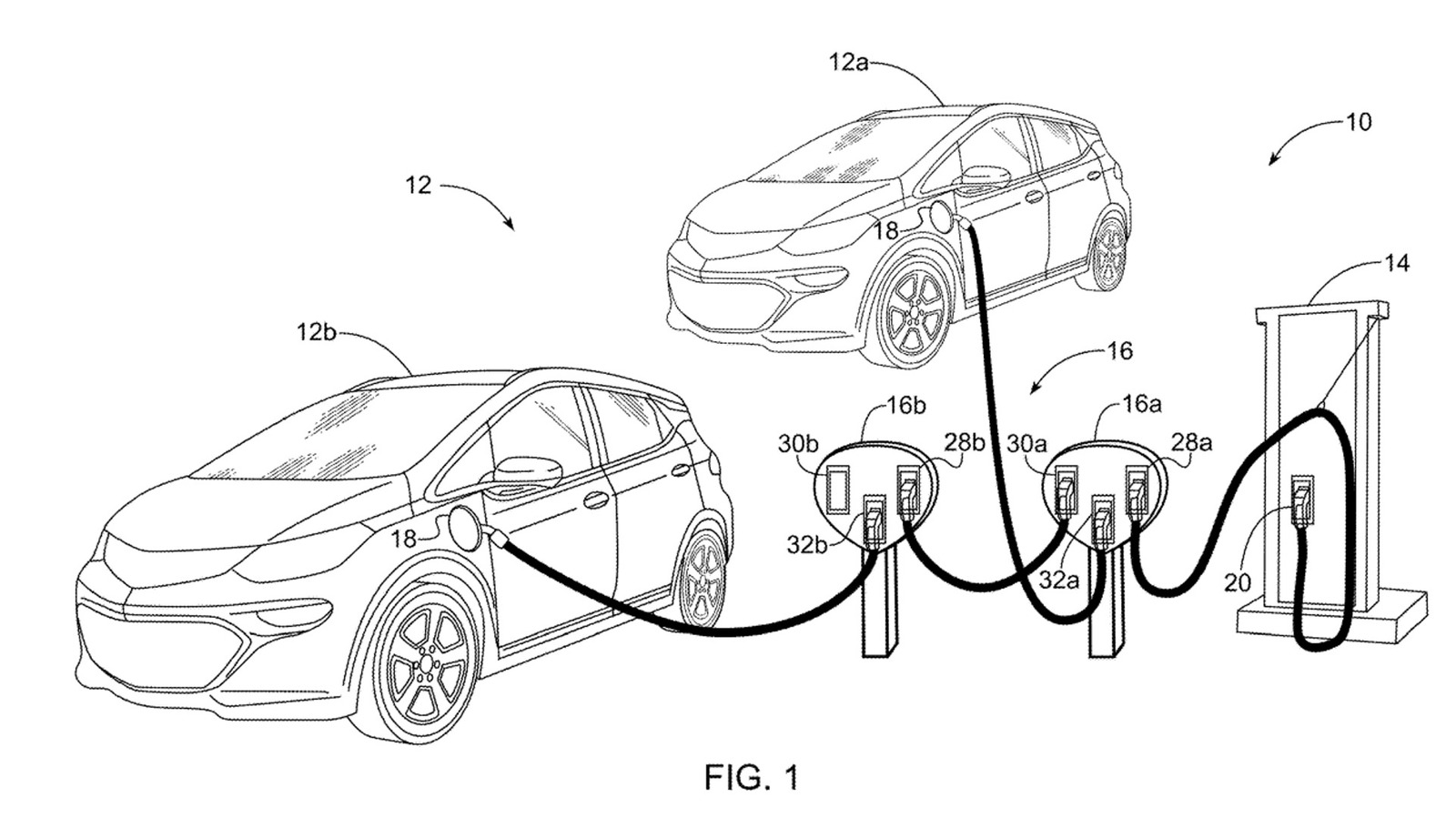
GM का patented "Daisy Chain" charging system एक single power supply unit के through multiple vehicles को connect करता है, intelligent power distribution के साथ जो प्रत्येक car की needs के आधार पर charging current को route करता है। System को connected vehicles में charging order और rate allocation को optimize करने के लिए design किया गया है, circuit की power limits के भीतर रहते हुए total charge time को minimize करता है।
Daisy Chain कैसे Works करता है
Standard configuration में, एक primary charger unit electrical Panel से connect होता है और secondary charging nodes के network से communicate करता है, प्रत्येक एक vehicle से connected। Primary unit प्रत्येक connected vehicle की state of charge, voltage requirements और thermal conditions को monitor करता है और dynamically power allocate करता है।
"Daisy Chain" architecture का मतलब है कि secondary nodes न केवल primary unit से बल्कि potentially एक दूसरे से series में connect होते हैं, जिससे power path को उस आधार पर reconfigure किया जा सकता है कि कौन से vehicles को most urgently charging की जरूरत है। Nearly depleted battery वाला एक vehicle full available current receive कर सकता है जब तक कि यह safe state of charge तक पहुंच जाता है, जिसके बाद power अन्य vehicles में redistribute होता है।
GM का patent उन algorithms को describe करता है जो optimal charging sequence और rate allocation को determine करते हैं, जिसमें user-entered departure times, current battery temperatures और प्रत्येक vehicle की voltage compatibility जैसे factors को consider किया जाता है।
Multi-EV Household Problem
Patent एक real और growing challenge को address करता है। जैसे-जैसे EV adoption accelerate होता है, two या अधिक electric vehicles वाले households common हो रहे हैं - especially US में, जहां car-dependent transportation का मतलब है कि अधिकांश households को least two vehicles की जरूरत है। Typical US residential Panel 200 amps की service support करता है। Single Level 2 charger 48 amps पर उस capacity का significant fraction represent करता है। एक साथ दोनों को चलाना Panel को stress कर सकता है और main breaker को trip करने का risk बनाता है। Daisy Chain system को multiple vehicles को एक single high-power Circuit intelligently share करने देता है, rather than compete करना current के लिए।
Home Installation Cost के Implications
Daisy Chain approach का एक practical benefit यह है कि यह multi-EV households के लिए आवश्यक electrical work को significantly कम कर सकता है। Currently, दूसरी या तीसरी EV charger add करना typically additional circuits run करने, potentially Panel को upgrade करने और electrician fees में हजारों डॉलर खर्च करने की demand करता है। Daisy Chain system जो multiple charging nodes को एक single Circuit share करने की allow देता है, दोनों installation complexity और cost को reduce करता है।
Home charging infrastructure cost EV adoption के लिए एक documented barrier है, especially older housing stock में जहां Panel upgrades expensive हैं। Multi-vehicle charging installation को simplify करना एक friction point को remove करता है उन buyers के लिए जो अपनी second या third EV पर विचार कर रहे हैं।
Patent से Product Timeline
Patents future possibilities represent करते हैं, confirmed products नहीं। GM सालाना सैकड़ों patents file करता है, और केवल एक fraction predictable timelines पर commercial products बन जाते हैं। However, Daisy Chain charging system उस problem को address करता है जो EV adoption rates के बढ़ने के साथ-साथ practical importance में बढ़ रहा है, इसे speculative technology के बजाय commercially plausible application बनाता है।
अगर GM technology को market में लाता है - या तो GM-branded home charging product के रूप में या charging equipment manufacturers को licensing के through - तो यह EV ecosystem को meaningful practical capability add करेगा। Intelligent home energy management की ओर broader trend का मतलब है कि इस तरह का dynamic load distribution market में कुछ form में appear होगा, चाहे GM से या किसी competitor से।
यह article Jalopnik द्वारा reporting पर based है। Original article पढ़ें।
Originally published on jalopnik.com