Conflict zone में भविष्य का निर्माण
पिछले तीन वर्षों में, खाड़ी क्षेत्र — विशेष रूप से Saudi Arabia, UAE, और Qatar — पृथ्वी पर technology investment के सबसे महत्वपूर्ण स्थलों में से एक बन गया है। Amazon Web Services, Microsoft Azure, Google Cloud, और अन्य सभी ने खाड़ी भर में major data center infrastructure की घोषणा की है या निर्माण किया है, सस्ती ऊर्जा, sovereign wealth fund partnerships, Europe, Asia, और Africa के बीच भौगोलिक connectivity, और government programs द्वारा आकर्षित, जो technology investment को आकर्षित करने के लिए असाधारण incentives प्रदान करते हैं।
दृष्टिकोण आकर्षक था: AI age के लिए एक neutral digital hub के रूप में खाड़ी, global trade routes के crossroads पर स्थित, जिस तरह यह global energy flows के crossroads के रूप में स्थित हो गई थी। खाड़ी की sovereign wealth funds केवल customers नहीं थीं — वे एक technology ecosystem में सह-निवेशक थीं जो उनकी अर्थव्यवस्थाओं को digital services, AI infrastructure, और cloud computing की ओर विविधता लाएगा।
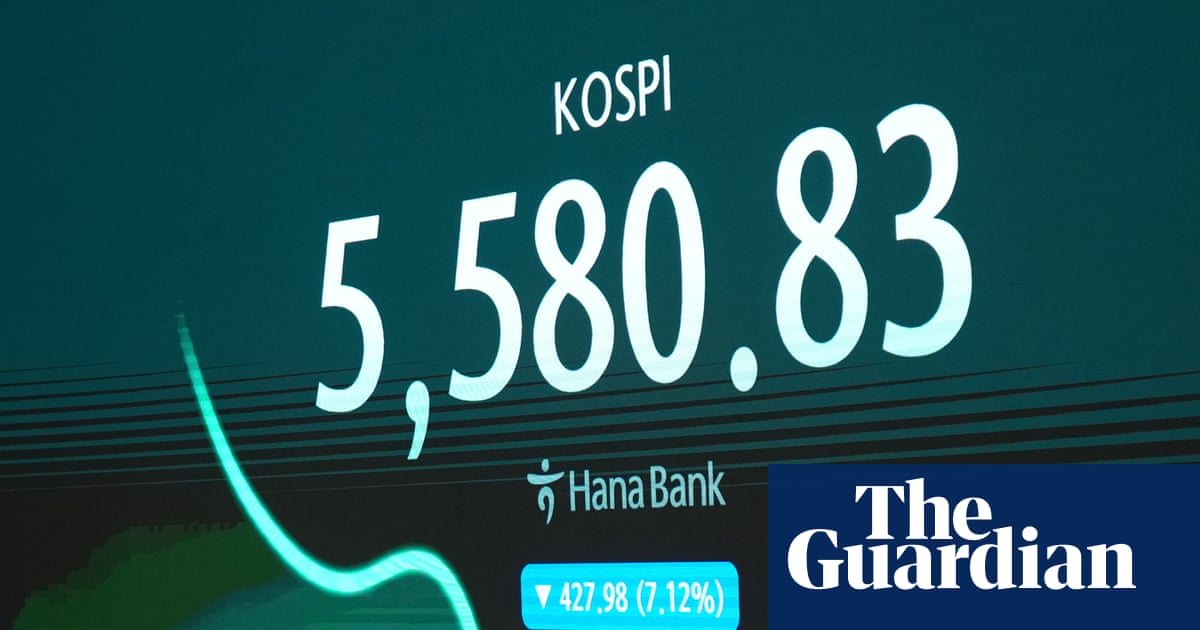
यह दृष्टिकोण अब एक सीधी चुनौती का सामना कर रहा है। US-Iran संघर्ष — Operation Epic Fury — और इसके संबंधित strikes, drone attacks, और Middle East भर में military escalation ने खाड़ी की strategic position को एक asset से एक liability में बदल दिया है। वही geographic chokepoints जिन्होंने खाड़ी को global energy flows के लिए अपरिहार्य बनाया, अब एक ऐसे संघर्ष में संभावित targets हैं जो near-term resolution के कोई संकेत नहीं दिखाता है।
Wars अपने समय की infrastructure को target करते हैं
इस vulnerability में एक historical logic है। Medieval armies granaries को जलाती थीं। Industrial-age conflicts ने railways और factories को target किया था। World Wars ने fuel production, electrical generation, और communications infrastructure पर systematic attacks देखे। Modern conflicts increasingly एक साथ digital और energy infrastructure को target करते हैं — दोनों एक military objective और capability के संकेत के रूप में।
Iranian forces ने historical form का पालन किया है। वर्तमान संघर्ष के दौरान Drone और missile attacks ने regional infrastructure की vulnerability का परीक्षण किया है, जिसमें energy facilities और communications nodes शामिल हैं। Attacks ने specifically data centers को target नहीं किया है, लेकिन Gulf data center clusters की contested airspace के निकटता और Iranian strike packages की demonstrated range और accuracy ने major technology companies के risk managers के मन में theoretical threat को concrete बना दिया है।
जैसा कि Bobby Ghosh Rest of World में लिखते हैं: "वही choke points जिन्होंने खाड़ी को विश्व की energy crossroads बनाया, अब इसकी AI age के nerve center के रूप में भूमिका को धमकी देते हैं।"
AI Investment जिसने Calculus को बदल दिया
Stakes उससे अधिक हैं जो एक दशक पहले होते, क्योंकि अब खाड़ी में concentrated infrastructure के specific type के कारण। ये केवल routine cloud workloads को process करने वाले server farms नहीं हैं। पिछले तीन वर्षों में announced और built facilities में GPU-dense data centers शामिल हैं जो AI training और inference के लिए आवश्यक हैं — infrastructure जो build करना मुश्किल है, relocate करना महंगा है, और हर major technology company और government की AI ambitions के लिए increasingly essential है।
Saudi Arabia का NEOM project substantial AI infrastructure components को शामिल करता है। UAE की AI strategy, Mubadala और Abu Dhabi की sovereign wealth funds द्वारा समर्थित, ने NVIDIA, AMD, और AI startups के एक roster को आकर्षित किया है। Microsoft का multi-billion dollar investment UAE AI firm G42 में explicitly खाड़ी infrastructure के एक global AI hub बनने पर आधारित था। ये speculative bets नहीं हैं — ये contracted construction, employment, और regulatory approvals द्वारा समर्थित commitments हैं।
इस infrastructure को relocate या replicate करना, यहां तक कि आंशिक रूप से भी, साल लगेंगे और अरबों खर्च होंगे। Sunken cost एक feature है, bug नहीं, sovereign wealth fund partnership structures की: यह एक mutual dependency बनाता है जिससे न ही कोई side आसानी से निकल सकता है। लेकिन यह भी मतलब है कि एक sustained conflict जो Gulf infrastructure को degrade करे, उसके परिणाम region की अपनी digital economy के परे विस्तारित होंगे।
Undersea Cable Dimension
Data centers केवल उतने ही उपयोगी हैं जितने कि उनके connections हैं। खाड़ी critical undersea cable routes के पार बैठी है जो Europe, Middle East, Africa, और Asia के बीच internet traffic को carry करते हैं। ये cables — satellites की तरह physically vulnerable — historically किसी भी Middle Eastern conflict scenario में एक concern रहे हैं। वर्तमान स्थिति ने उस concern को theoretical से operational में elevated किया है।
Gulf में key cable landing stations पर एक strike, या Strait of Hormuz या Red Sea के माध्यम से undersea cable routes का deliberate sabotage, न केवल Gulf users को inconvenience करेगा — यह global internet traffic patterns को उन तरीकों से disrupt करेगा जो reroute करने में months लगेंगे। 2022 Red Sea cable cuts, जिसने sub-Saharan Africa भर में connectivity को disrupt किया, ने preview दिया है कि ऐसे disruptions कितने serious हो सकते हैं।

Geographic Bet को Rethink करना
Technology industry decades से सीख रहा है कि geography को almost irrelevant के रूप में treat किया जाए — cloud computing की promise precisely यह थी कि servers की physical location एक implementation detail बन जाएगी। खाड़ी संघर्ष एक पुरानी सीख को फिर से सीखने पर force कर रहा है: जब infrastructure physical है और conflicts kinetic हैं तो geography अत्यंत महत्वपूर्ण है।
किसी भी major cloud providers ने अपनी Gulf presence को scale back करने का intention announce नहीं किया है। इसमें शामिल diplomatic और financial relationships बहुत महत्वपूर्ण हैं, और conflict का ultimate resolution बहुत uncertain है, large-scale infrastructure decisions को near-term military developments के आधार पर justify करने के लिए। लेकिन risk calculus बदल गया है। खाड़ी Silicon Valley की AI future के एक particular vision पर एक bet था — एक जहां strategically located geographies में sovereign partnerships next era की digital infrastructure को anchor करेगी। यह bet अब उन तरीकों से tested किया जा रहा है जो इसके architects ने anticipate नहीं किए थे।
यह लेख Rest of World की reporting पर आधारित है। मूल लेख पढ़ें।
Originally published on restofworld.org