A New Way Around a Stubborn Barrier
Self-amplifying mRNA vaccines promise to do more with less. Instead of delivering only a fixed amount of RNA instructions, they tell cells to copy those instructions themselves, producing more protein from a smaller dose. But the biology that makes them attractive also creates a serious obstacle. Cells sense the replicating RNA as a threat and switch on antiviral defenses that shut down protein production. Researchers at Queen Mary University of London now report that they have found a way to quiet that response, allowing cells to make far more of the target protein.
The work, published in Nature Communications, centers on a protein called NoV B2. According to the team, adding it to self-amplifying mRNA vaccines helps them overcome one of the cell's natural defense mechanisms. Protein output rises significantly in both stem cells and ordinary cells, and the vaccine's ability to stimulate the immune system is preserved.
Why Self-Amplifying mRNA Matters
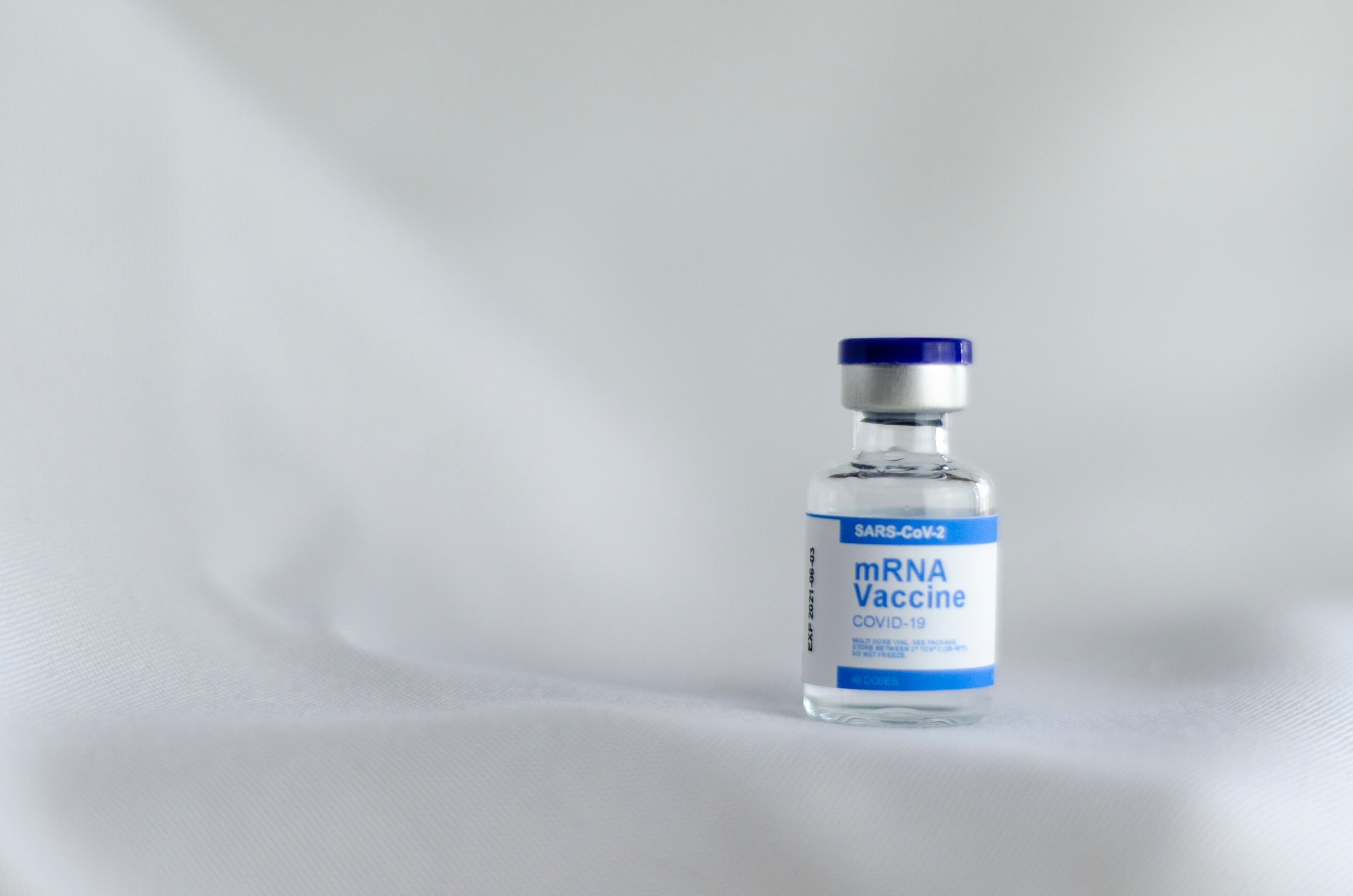
mRNA vaccines became familiar during the COVID-19 pandemic. Conventional vaccines often use a weakened or inactivated virus to train the immune system. RNA vaccines work differently: they deliver genetic instructions that tell a person's cells to build a specific viral protein, which the immune system then learns to recognize.
Self-amplifying mRNA, or saRNA, extends that idea. Once inside a cell, saRNA replicates. A smaller initial dose can therefore yield a larger amount of target protein, potentially providing longer-lasting protection at lower doses. That could make vaccines easier to roll out more widely and faster during outbreaks. The potential goes beyond infectious disease: the same platform is being explored for gene therapy, cancer immunotherapy and protein replacement therapies.
The Double-Stranded RNA Problem
The central challenge is a byproduct of replication. As saRNA copies itself, it generates double-stranded RNA, or dsRNA. Human cells treat dsRNA as a sign of viral infection and activate defenses that degrade RNA, block replication and reduce protein production. For a self-amplifying vaccine, this is a direct hit: the RNA becomes less stable, replicates less efficiently and gives cells weaker instructions to produce the protein that trains the immune system.
This has remained a fundamental limit on saRNA effectiveness. The Queen Mary team borrowed a tool from virology to address it. NoV B2 is known to suppress RNA interference, one of the cell's natural defenses against double-stranded RNA. By reducing the extent to which cells restrict the saRNA, the protein allows it to replicate more freely and direct production of more protein.
Testing the Approach in Cells
Dr. Pierre Maillard, a senior lecturer in antiviral immunity at Queen Mary University of London, and Dr. Raul Yusef Sanchez David of the university's Blizard Institute led the research. Their experiments showed that NoV B2 boosts protein production from saRNA in both stem cells and regular cells. That matters because different cell types can respond differently to RNA sensors and antiviral pathways.
Equally important, the gain in protein production did not come at the expense of immune stimulation. A vaccine must both manufacture enough antigen to attract the immune system's attention and provide signals that push it to respond. If suppressing antiviral defenses also suppressed immune activation, the strategy would be self-defeating. According to the findings, NoV B2 reduces cellular restriction of saRNA without undermining the vaccine's ability to stimulate immunity.
What the Findings Could Mean
The research is still at the cellular stage. The critical next question is whether the effect appears in vivo, in living organisms. Maillard said the findings identify a strategy to overcome a fundamental barrier limiting self-amplifying vaccines, and that successful in vivo translation could open new possibilities. That caution is appropriate: cell culture results are an important proof of concept, but they do not guarantee success in animals or humans, where delivery, dosing, safety and immune complexity all matter.
If the strategy translates, the implications could be broad. Lower effective doses would stretch manufacturing capacity and support wider, faster rollout. Longer-lasting protection could in principle reduce the frequency of booster doses. Beyond vaccines, improved saRNA performance could aid efforts to use the platform for therapeutic protein delivery and other applications.
- Vaccines: smaller doses with potentially longer-lasting protection.
- Gene therapy: more efficient delivery of genetic instructions.
- Cancer immunotherapy: stronger expression of immune targets.
- Protein replacement: sustained production of missing proteins.
Remaining Questions and Next Steps
Several issues will need attention before this approach can advance. Researchers will want to confirm that NoV B2 does not introduce unwanted effects when used in a vaccine or therapeutic. Suppressing RNA interference is a powerful intervention, and its consequences must be mapped carefully across different tissues and over time. Scientists will also need to determine the optimal dose and timing of NoV B2 alongside saRNA, and whether the strategy behaves the same way in different cell types and tissues.
The peer-reviewed publication in Nature Communications gives the findings a solid foundation. The work was conducted at a major academic center and builds on established knowledge about how cells sense double-stranded RNA and how viruses counteract those defenses. Still, the path from a promising cell-based result to a licensed product is long. Animal studies, early human safety trials, efficacy trials and manufacturing scale-up each bring their own challenges.

The Bottom Line
Self-amplifying mRNA has been held back by a simple biological conflict: the more the RNA replicates, the more double-stranded RNA it generates, and the harder cells fight back. The Queen Mary team's use of NoV B2 offers a way to ease that conflict. By suppressing RNA interference, the protein allows saRNA to produce more of the desired protein while preserving immune stimulation. The finding does not solve every problem for saRNA vaccines, but it removes a central barrier. If it holds up in vivo, it could help move self-amplifying RNA from a promising laboratory concept toward a practical platform for vaccines, gene therapy, cancer treatment and protein replacement.
This article is based on reporting by Medical Xpress. Read the original article.
Originally published on medicalxpress.com