An investigational once-daily oral GLP-1 medication appears to deliver comparable weight loss in women whether they are premenopausal, perimenopausal or postmenopausal, according to new analyses scheduled for presentation at the annual meeting of the European Association for the Study of Diabetes (EASD) in Milan, Italy, running Sept. 28 to Oct. 2.
The analyses focus on orforglipron, an oral small-molecule, nonpeptide GLP-1 receptor agonist being developed for weight loss and type 2 diabetes. The work was led by Dr. Hunter Thomas Hoffman of Eli Lilly and Company in Indianapolis — the manufacturer of the drug — together with colleagues. Because the results are arriving as conference analyses rather than a fully peer-reviewed paper, they are best read as an early but detailed signal about how the treatment performs in women at different reproductive life stages.
A Menopause-Stratified Look at Two Large Trials
The new data are drawn from ATTAIN-1 and ATTAIN-2, two studies that had already linked orforglipron to significant reductions in body weight. ATTAIN-1 examined people with overweight or obesity who did not have diabetes. ATTAIN-2 examined people living with both excess weight and type 2 diabetes. The fresh analysis asks a narrower question: does the magnitude of weight loss shift depending on where a woman sits in the menopausal transition?
Who was included
Female participants qualified for the analysis if they had obesity, defined as a body mass index of at least 30 kg/m², or overweight, defined as a BMI of at least 27 kg/m² accompanied by at least one weight-related medical condition. Researchers then sorted them into three groups: premenopausal, perimenopausal and postmenopausal. Within each menopausal category, the number of women assigned to either orforglipron or placebo ranged from 142 to 225.
What researchers tracked
Investigators followed changes in body weight, waist circumference and waist-to-height ratio over 72 weeks. They also calculated how many participants crossed widely used weight-loss thresholds — at least 5%, 10%, 15% or 20% of starting body weight — and compared those proportions against placebo.

Consistent Results Across All Three Stages
Across both trials, women taking orforglipron recorded significant and broadly similar reductions in body weight, reaching up to 14%, with no major divergence between the premenopausal, perimenopausal and postmenopausal subgroups. The pattern repeated in ATTAIN-1 and again in ATTAIN-2, suggesting the drug's effect on the scale does not appear to depend heavily on circulating estrogen status.
- Body weight fell by as much as 14% in orforglipron-treated women, and the reductions were similar regardless of menopausal stage in both studies.
- Waist circumference dropped by up to 12.5 cm, or roughly 4.9 inches, across the orforglipron subgroups in both trials.
- As many as 83% of women on orforglipron lost at least 5% of their body weight, compared with 30% of those receiving placebo.
- A larger share of orforglipron participants moved into lower waist-to-height ratio categories than those on placebo, a shift that points to improvements in central adiposity rather than scale weight alone.
Why Menopause Is a Metabolic Turning Point
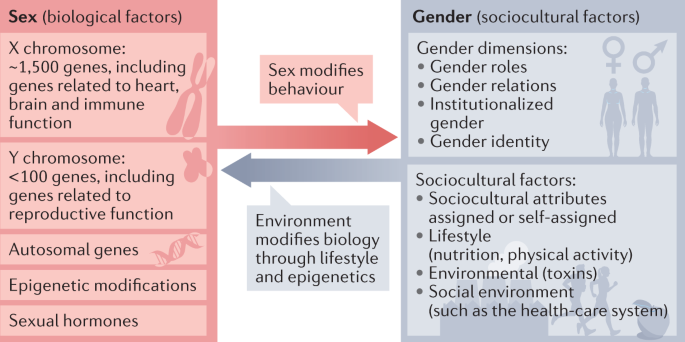
Obesity is a chronic, progressive disease, and menopause can accelerate it. Estrogen deficiency during the menopausal transition is known to exacerbate weight gain and to alter where the body stores fat, which helps explain why clinicians often watch waist measurements as closely as body weight in midlife women. Excess abdominal fat carries its own risks for cardiometabolic health, so a therapy that shrinks the waistline while lowering overall body weight could matter well beyond cosmetic outcomes.
That context makes the consistency of the findings notable. If a treatment's effectiveness faded sharply after menopause, dosing strategies and expectations for older women would need to change. Instead, the subgroup data suggest the response held steady from the premenopausal years through the postmenopausal years.
How Orforglipron Differs From Injectable GLP-1 Options
Most GLP-1 receptor agonists on the market are peptide-based and delivered by injection. Orforglipron is a small-molecule, nonpeptide GLP-1 receptor agonist taken by mouth once a day, which places it in a different category of drug design. Oral delivery has long been a goal in this drug class because it removes the need for injections and could simplify how patients start and stay on treatment.
The ATTAIN program spans two distinct populations, which matters clinically. ATTAIN-1 covers people carrying excess weight without diabetes, while ATTAIN-2 covers those managing both excess weight and type 2 diabetes — a group that often responds less dramatically to weight-loss interventions. The fact that similar menopausal patterns emerged in both trials strengthens the signal, though it does not eliminate the limitations of subgroup analysis.
What the Findings Do and Do Not Show
Several caveats deserve attention as these analyses reach the conference floor.
- The results are being presented at a scientific meeting and have not yet gone through full peer review as a standalone publication.
- The study was conducted by researchers employed by Eli Lilly, the company that manufactures orforglipron, which is a relevant disclosure when interpreting sponsor-run analyses.
- Splitting participants by menopausal stage creates smaller subgroups, and smaller samples can produce less stable estimates than the parent trials.
- The reported outcomes cover 72 weeks. Longer-term data on weight maintenance, cardiovascular events and safety are not addressed by these analyses.
- Weight loss thresholds such as 5% or 10% are useful benchmarks, but they do not capture how participants felt, functioned or managed other health conditions.
The Bottom Line
For women navigating menopause while also managing obesity, the headline from these ATTAIN analyses is one of consistency: up to 14% body weight reduction and waist circumference declines of up to 12.5 cm, with results that looked similar before, during and after the menopausal transition. Combined with the striking gap in the proportion of participants losing at least 5% of body weight — up to 83% on orforglipron versus 30% on placebo — the data add weight to the case that a daily oral GLP-1 option could serve a broad age range rather than a narrow slice of patients. Full peer-reviewed publication and longer follow-up will be needed before those expectations harden into clinical guidance.
This article is based on reporting by Medical Xpress. Read the original article.
Originally published on medicalxpress.com