A New Kind of Early Warning Signal for Type 2 Diabetes
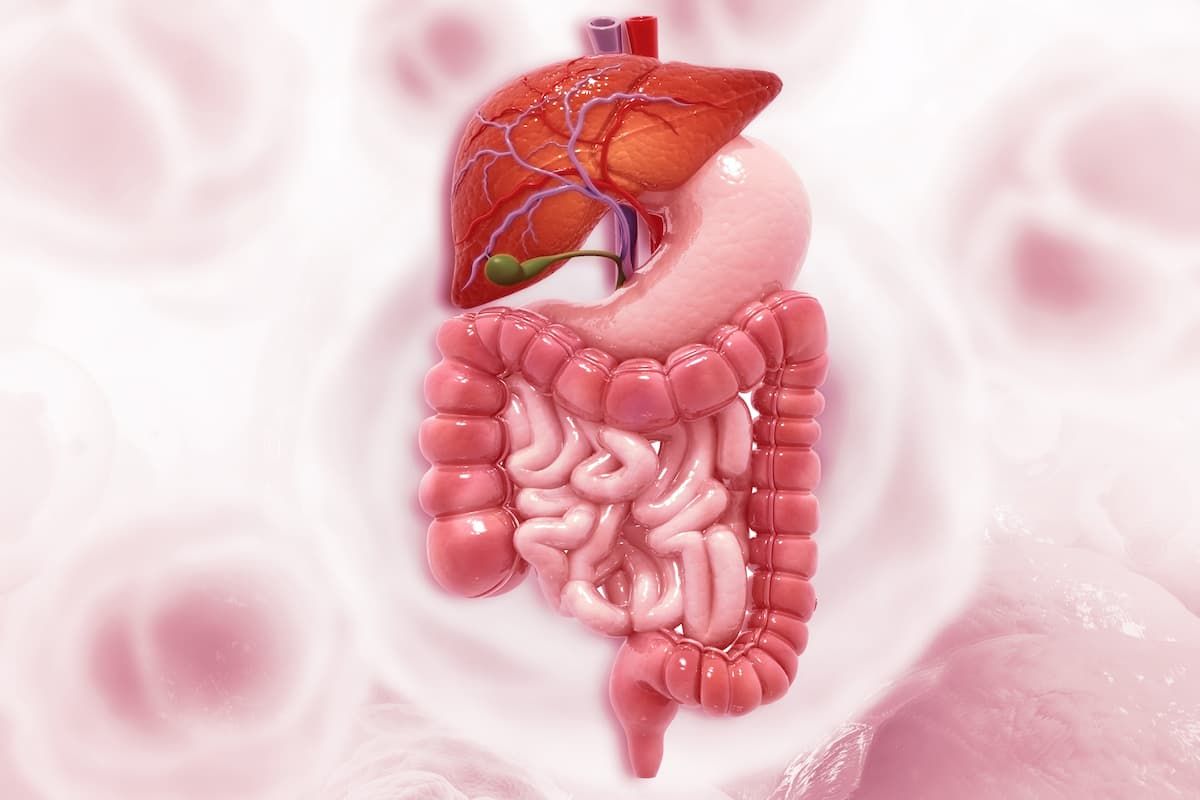
Changes in the mix of bacteria living in the human gut may serve as an early warning sign for type 2 diabetes (T2D), according to new research presented at the annual meeting of the European Association for the Study of Diabetes (EASD), held in Milan, Italy, from Sept. 28 to Oct. 2. The findings point to the gut microbiome — the vast community of microorganisms inhabiting the gastrointestinal tract — as a potential screening tool that reacts well before conventional blood sugar measurements begin to drift.
The work, carried out by researchers based in Italy and the United Kingdom, analyzed data drawn from hundreds of thousands of people. Within that dataset, the team identified hundreds of distinct changes in gut bacterial composition that appear before any detectable shift in blood glucose measures. The implication is that the microbiome may hold clues about metabolic risk at a stage when current diagnostic tests still read as normal.
What the Analysis Found
The study's central claim is striking in its scale. Rather than pinpointing a single microbial culprit, the researchers describe a broad pattern of compositional change across the gut community, with hundreds of individual signals linked to the trajectory toward type 2 diabetes. Because these signals emerge before glucose markers worsen, they could theoretically be used to sort people by risk while there is still time to intervene.
Key findings at a glance
- Data from hundreds of thousands of people were examined for links between gut bacteria and metabolic disease.
- Hundreds of changes in microbiome composition were identified as detectable ahead of any change in blood glucose measures.
- The patterns suggest a possible route to spotting people at risk of T2D who might benefit most from lifestyle changes.
- The authors argue the approach could support public health efforts aimed at reducing the number of T2D diagnoses.

Why Today's Screening Misses the Earliest Stage
Type 2 diabetes and prediabetes — a state in which blood sugar levels are higher than normal but not high enough to be classified as diabetes — are currently identified through tests that measure elevated glucose directly. These include HbA1c, fasting plasma glucose and the oral glucose tolerance test.
The limitation, as the researchers frame it, is that these tests are not designed to flag people whose blood sugar still sits within the normal range but who are nonetheless on a path toward disease. In those cases, clinicians fall back on indirect risk factors such as age, sex, body mass index and family history. Those variables are useful but blunt; they describe statistical likelihood rather than measuring an active biological process. The new findings suggest the microbiome could fill part of that gap by acting as a measurable biological marker of early metabolic change.
A Step Beyond Inconsistent Earlier Results
This is not the first time scientists have drawn a line between the gut microbiome and type 2 diabetes. Prior studies have repeatedly found strong associations between the two. The problem has been reproducibility: across large populations, researchers have struggled to consistently identify the same key bacteria, which has made it difficult to build a reliable test or a coherent biological story out of the results.
The current work set out to address that inconsistency directly by examining an unusually large body of data, allowing the team to look for patterns that hold firm across many people rather than surfacing in one cohort and vanishing in the next. The scale of the analysis — hundreds of thousands of participants, hundreds of microbial changes — is what gives the findings their weight.
How the Researchers Approached the Question
According to the study details, Dr. Gabriel Baldanzi of the Laboratory of Computational Metagenomics, along with professor Nicola Segata, who leads the laboratory at the CIBIO Department at the University of Trento in Italy, and colleagues in the United Kingdom, examined metagenomic data. Metagenomics involves sequencing the DNA of the bacteria living in the gut, effectively reading the genetic material of the entire microbial community rather than culturing individual species in a laboratory.

That method allows researchers to catalog which organisms are present and in what relative proportions, producing a detailed fingerprint of an individual's gut ecosystem. By comparing those fingerprints against metabolic outcomes at population scale, the team could search for microbial signatures that reliably precede the onset of dysregulated blood sugar.
Reaction From the Research Team
Professor Tim Spector, scientific co-founder of ZOE and one of the study's authors, described the results as a meaningful advance in the understanding of how the gut microbiome connects to metabolic disease.
"These latest findings represent a major step forward in understanding how our gut microbiome is linked directly with metabolic disease," he said. "Identifying these clear microbial changes before blood sugar levels worsen could lead to earlier intervention with food and lifestyle choices, as well as treatment options, to prevent T2D."
The emphasis on timing is significant. Much of the clinical burden of type 2 diabetes stems from how long the condition can develop silently. A marker that becomes readable earlier in that process would shift the window for prevention further upstream.

What It Could Mean for Prevention
If microbiome composition can reliably distinguish people heading toward type 2 diabetes from those who are not, the practical consequences could be substantial. Individuals identified as high risk could be directed toward dietary changes, exercise programs and other lifestyle interventions at a point when such measures are most likely to be effective. At a population level, the authors suggest, this kind of stratification could support public health strategies designed to reduce how many people ultimately receive a T2D diagnosis.
The concept fits a broader shift in medicine toward detecting risk before symptoms or abnormal lab values appear. Rather than waiting for glucose to rise, the aim would be to read an earlier biological signal and act on it while the metabolic system still has room to recover.
Open Questions Ahead
- The findings were presented at a scientific meeting, which means they arrive ahead of full peer-reviewed publication and should be treated as preliminary until the underlying work is examined in detail.
- Translating a population-level statistical pattern into an individual clinical test requires validation in independent groups and clear thresholds for what counts as elevated risk.
- Whether the microbiome changes observed are causes, consequences or simply companions of early metabolic dysfunction remains an open biological question.
- Practical questions — cost, accessibility and how microbiome testing would fit alongside existing screening tools — are not yet resolved.
The Bottom Line
For now, the research adds a substantial piece of evidence to the case that the gut microbiome is not a passive bystander in metabolic health. By identifying hundreds of microbial shifts that precede changes in blood sugar across a very large population, the team has outlined a plausible route toward earlier identification of type 2 diabetes risk — and, with it, the possibility of intervening before the disease takes hold.
This article is based on reporting by Medical Xpress. Read the original article.
Originally published on medicalxpress.com