A Global Phenomenon
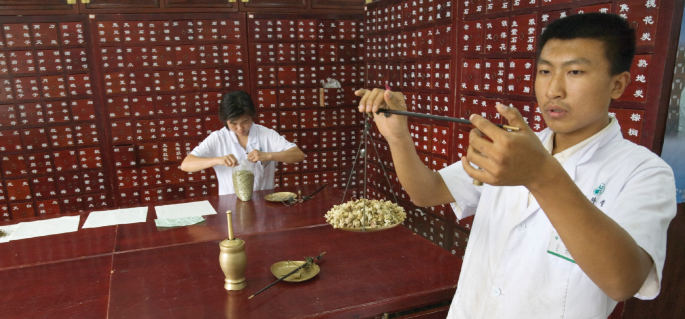
Traditional medicine has been a cornerstone of health for centuries, and today it is used by billions of people across the globe. The term encompasses a wide range of practices, from herbal remedies and acupuncture to yoga and indigenous healing techniques. In many low- and middle-income countries, traditional medicine is often the first line of care due to its accessibility, affordability, and cultural relevance. The sheer scale of its use makes it an undeniable force in global health.
The WHO's Push for Integration
The World Health Organization (WHO) has recognized the importance of traditional medicine and is actively working to establish standards, evidence-based guidelines, and regulatory frameworks. The organization's Traditional Medicine Strategy aims to support Member States in harnessing the potential of safe and effective traditional medicine. Researchers and regulators are collaborating to bridge the gap between ancient wisdom and modern science, seeking to answer a critical question: can these practices be brought into the mainstream of healthcare delivery?

Building an Evidence Base
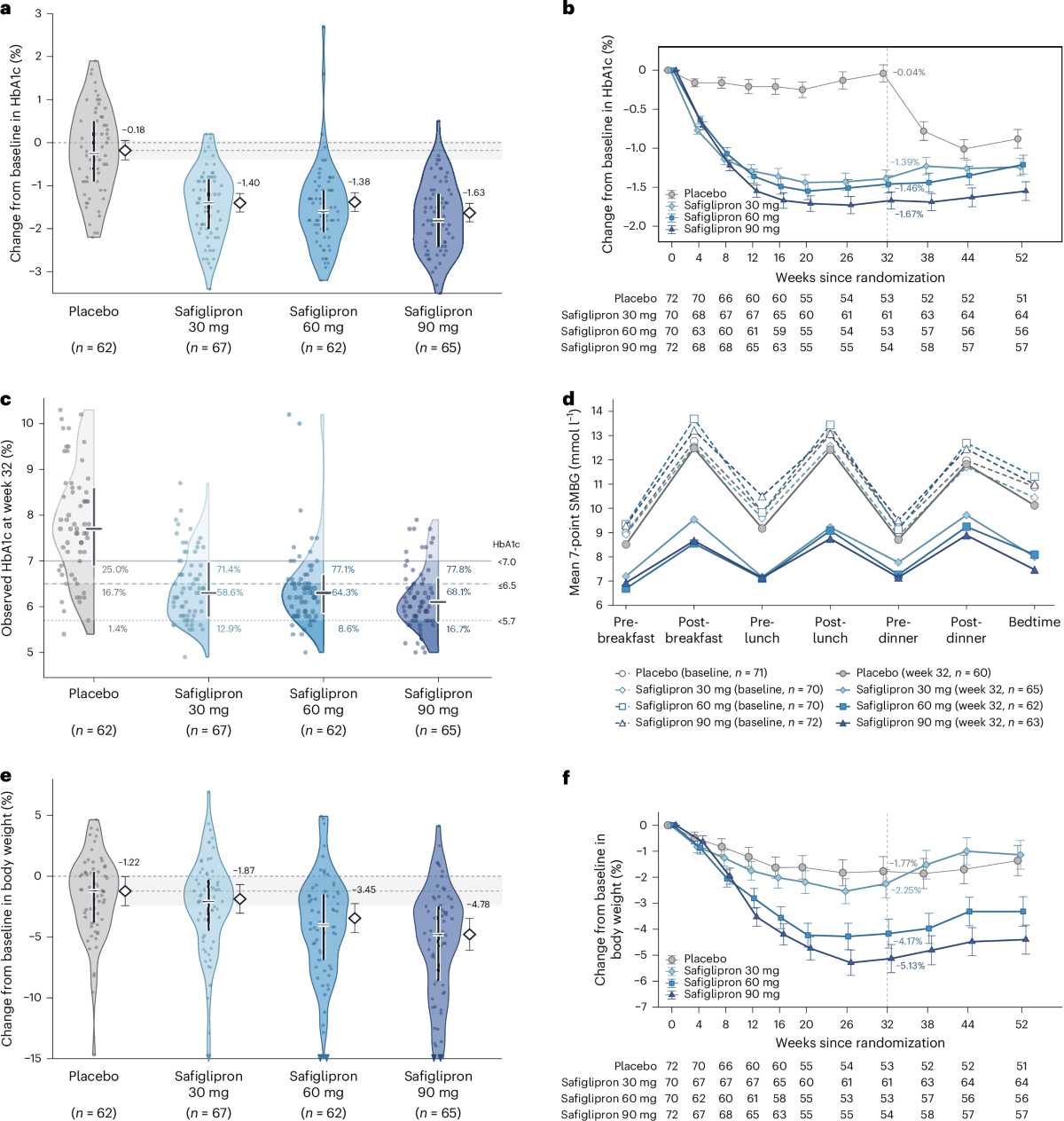
One of the biggest barriers to mainstream acceptance is the lack of rigorous clinical data. Many traditional remedies have been used for generations, but their efficacy and safety have not always been documented in ways that meet modern scientific standards. Scientists are now employing contemporary research methods to test these treatments. Randomized controlled trials, systematic reviews, and pharmacovigilance are being adapted to the unique characteristics of natural products. This growing evidence base is crucial for regulators to make informed decisions and for healthcare providers to recommend these treatments with confidence.
Regulation and Safety Challenges
With natural products, quality control is a major concern. Variability in sourcing, manufacturing, and dosage can lead to inconsistent results. Adulteration, contamination, and mislabeling are risks that need to be addressed through robust regulatory mechanisms. The WHO is helping countries develop national policies and regulations to ensure that traditional medicines meet quality, safety, and efficacy standards. A balanced approach is needed—one that avoids over-restriction while protecting public health.
Integrating into Mainstream Healthcare
Successful integration requires more than regulation; it involves education and collaboration. Healthcare professionals need training to understand and communicate about traditional medicine options. Patients must be empowered with reliable information to make informed choices. Integrative models that combine conventional and traditional approaches are being piloted in various countries, showing promising results. These models demonstrate that it is possible to create a healthcare system that respects cultural heritage while embracing scientific rigor.
The Road Ahead
The journey towards mainstream acceptance is not without obstacles, but the potential rewards are immense. By fostering research, regulation, and collaboration, traditional medicine could complement modern healthcare and help address global health challenges. As the WHO and its partners continue to push forward, the dream of a truly inclusive health system may become a reality. The question is no longer whether traditional medicines should go mainstream, but how best to make that transition happen safely, equitably, and effectively.
This article is based on reporting by Nature Medicine. Read the original article.

Originally published on nature.com