Una reapertura poco común en un panorama de circuitos en retroceso
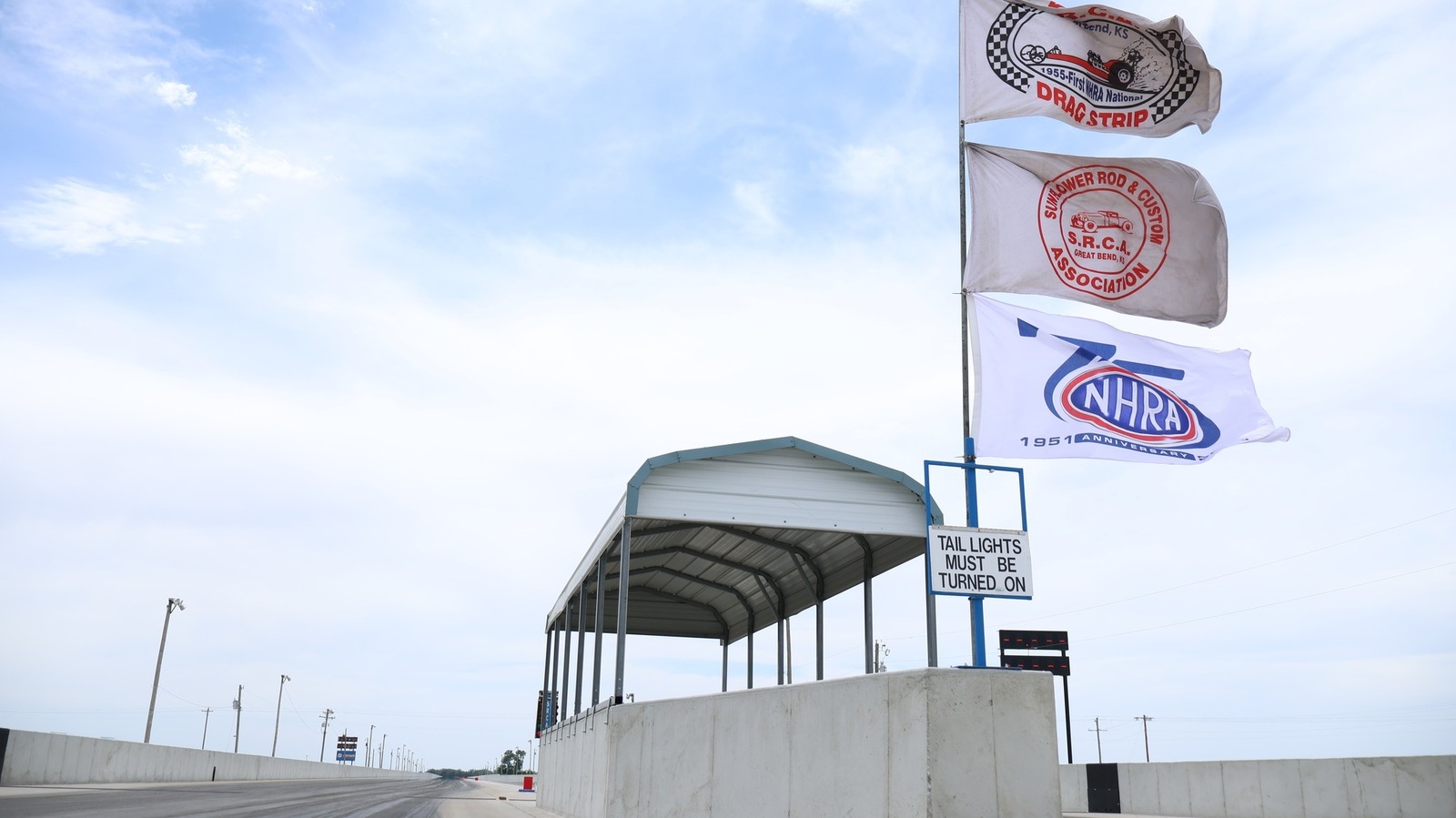
El SRCA Dragstrip de Great Bend, Kansas, reabrió tras una importante renovación, marcando una victoria poco habitual para la preservación de pistas de carreras en un momento en que muchos recintos históricos están cerrando, vendiéndose o siendo reurbanizados. La fuente proporcionada presenta la reapertura como una verdadera excepción en un sector donde a menudo faltan el apoyo de ciudades, vecinos e inversores.
La pista tiene un peso singular en la historia del drag racing. SRCA albergó los primeros NHRA Nationals en 1955 y originalmente abrió en 1953. Ese legado convirtió su deterioro en algo más que un problema local de instalaciones. Planteó la posibilidad de que un sitio fundacional del automovilismo estadounidense pudiera desvanecerse en silencio bajo las mismas presiones que han golpeado a muchas otras pistas.
El cierre llevó a una reconstrucción completa
En 2023, setenta años después de la apertura del recinto, una inspección de la pista llevó al cierre de SRCA y obligó a reconstruir por completo la superficie de carrera. Según el texto fuente, la ciudad de Great Bend respaldó una renovación de 5,9 millones de dólares que también incluyó una nueva torre de cronometraje. La reapertura tuvo lugar hace apenas unas semanas.
Esta secuencia importa porque muestra la magnitud de la intervención necesaria para mantener viva la infraestructura histórica del automovilismo. En este caso, preservar no significó arreglos cosméticos ni una placa conmemorativa. Significó reconstruir el núcleo funcional del recinto para que pudiera operar de nuevo.
El artículo también deja claro que SRCA tuvo la suerte de contar con apoyos que muchas pistas no tienen. Sus vecinos y la ciudad respaldaron su regreso a la actividad. Ese alineamiento local parece haber sido decisivo. Las pistas históricas a menudo fracasan no porque carezcan de valor cultural, sino porque la economía de la reparación choca con la presión inmobiliaria, las disputas regulatorias o la oposición vecinal.
El panorama más amplio del drag racing sigue siendo difícil
El renacimiento de SRCA destaca frente a un contexto nacional más frágil. La fuente señala varias de las fuerzas recurrentes que amenazan a los drag strips: el coste del mantenimiento, las quejas por ruido y el atractivo financiero de la reurbanización. Esos problemas han cerrado o desestabilizado instalaciones históricas en todo el país.
Un contraste viene de Michigan. Milan Dragway, otra instalación histórica, fue rescatada mediante la compra de siete pistas por parte de IHRA en 2025. El recinto, ahora llamado Darana Dragway, ha pasado por una revitalización que incluye una nueva superficie de pista, gradas y servicios para los aficionados. Ese ejemplo, al igual que el de Great Bend, muestra que la supervivencia es posible cuando el capital externo o el apoyo institucional llegan en el momento adecuado.
Pero el artículo contrapone esas reaperturas con un caso menos optimista: Onondaga Raceway en Michigan. El strip de 1/8 de milla, inaugurado a comienzos de la década de 1960, ha afrontado años de conflicto por las quejas de ruido vecinal. Los residentes presentaron demandas por molestias desde 2013 y, tras una serie de cierres y reaperturas, la pista sigue cerrada a la espera de otra apelación.
La política empieza a seguir el conflicto
La lucha por la supervivencia de las pistas ya no es solo local. La fuente afirma que Michigan aprobó a principios de este año una nueva ley “Right to Race”, diseñada para proteger las pistas de las demandas por molestias de los vecinos. Se suma a estados como Iowa, Carolina del Norte y Kansas, que han introducido o aprobado protecciones similares.
Esta respuesta política es reveladora. Sugiere que los legisladores ven cada vez más las pistas históricas como instituciones vulnerables que pueden borrarse no por un único evento catastrófico, sino por la acumulación constante de riesgo legal y conflicto de uso del suelo. Para los defensores del automovilismo, la cuestión suele formularse en términos de sentido común: quien se muda cerca de una pista de larga data debería entender lo que ya existe allí. Para los residentes cercanos, la disputa puede verse de otra manera, sobre todo cuando el crecimiento local cambia el carácter de una zona.
El resultado es un debate más amplio sobre si los recintos de automovilismo deberían recibir protección explícita como infraestructura cultural y recreativa. La reapertura de Great Bend no resuelve ese debate, pero sí ofrece un ejemplo poderoso para las comunidades que intentan decidir si una pista histórica es una carga obsoleta o un activo cívico que vale la pena salvar.

Por qué Great Bend importa más allá de los aficionados
El regreso de SRCA importa porque preserva una pieza operativa de la historia del automovilismo, no solo su memoria. Una pista reabierta puede albergar eventos, impulsar la actividad local y mantener visible una tradición de carreras para nuevas generaciones. Una pista cerrada, por el contrario, suele convertirse en una historia contada después de que el terreno ya ha cambiado de uso.
El proyecto de Great Bend también pone de relieve una realidad dura. Los recintos históricos sobreviven cuando el apoyo público, el dinero y la voluntad política llegan antes de que el deterioro sea irreversible. En ese sentido, SRCA no es solo una celebración. Es evidencia de lo difícil que se ha vuelto la preservación, y de lo poco común que resulta ahora el éxito.
Este artículo se basa en la cobertura de Jalopnik. Lee el artículo original.
Originally published on jalopnik.com