Good morning. Here's your Developments Today weekly brief for the week of November 2 – November 8, 2026.
This week’s dominant themes were precision medicine, the growing strategic importance of advanced infrastructure, and the careful scrutiny required when promising research moves toward real-world use. Across health, space, energy and computing, the common thread was better measurement: of risk, of response, and of the systems society increasingly depends on.
In health research, several studies pointed toward more tailored care. A University of Virginia team used focused ultrasound, bubbles, nanoparticles and microRNAs to temporarily cross the blood-brain barrier in animal models of glioblastoma, a promising early-stage approach that has not yet entered reported clinical trials.
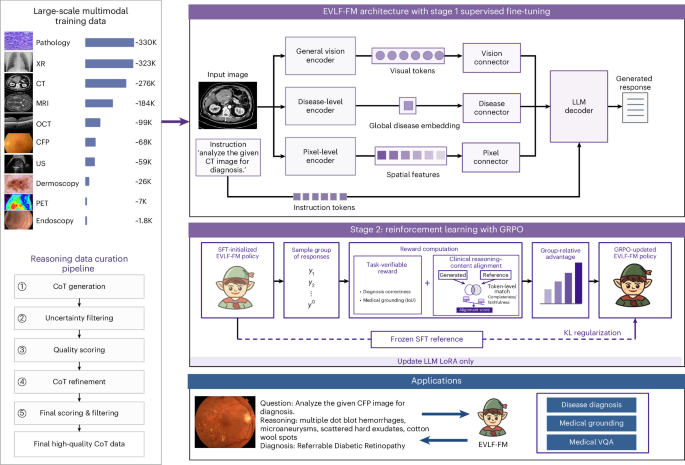
Medical imaging is becoming a central part of that precision push. EVLF-FM, a clinical foundation model trained and tested on more than 1.3 million samples, combines images and language across six specialties and can show the pixel-level visual basis for its answers; separately, researchers in Hong Kong reported an MRI-derived tumor heterogeneity index that may help identify breast cancer patients more likely to respond when the AKT inhibitor MK2206 is added to preoperative chemotherapy.
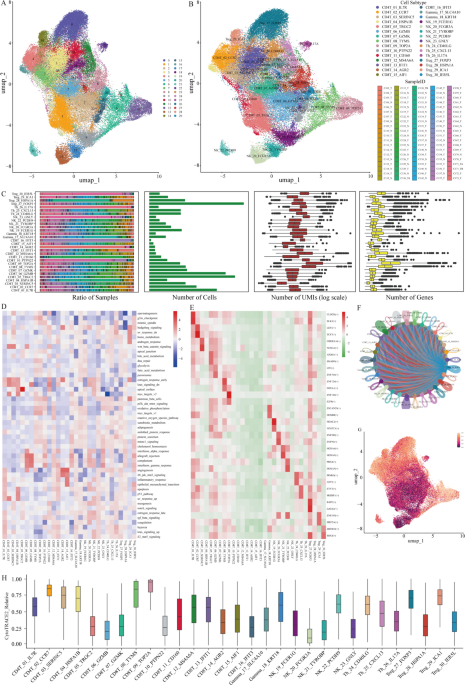
Better noninvasive signals were also a recurring theme. In the 1,590-person LITMUS study of fatty liver disease, thrombospondin-2 emerged as a strong single blood marker for advanced fibrosis and inflammation, although no method met the threshold for reliably identifying early disease. And a new single-cell atlas of 189 colorectal tumors, spanning patients from age 20 to over 90, identifies age-related biology that could sharpen research into early-onset disease.
Public-health evidence added both encouragement and caution. A large Chinese study linked regular tea drinking with an 11 percent lower risk of combined vascular outcomes, with the lowest estimated risk around six to eight cups a day; however, very hot tea showed the opposite association. UCLA researchers also associated long-term residential exposure to chlorpyrifos with more than 2.5 times the risk of Parkinson’s disease, while emphasizing that the findings do not establish causation for any individual.
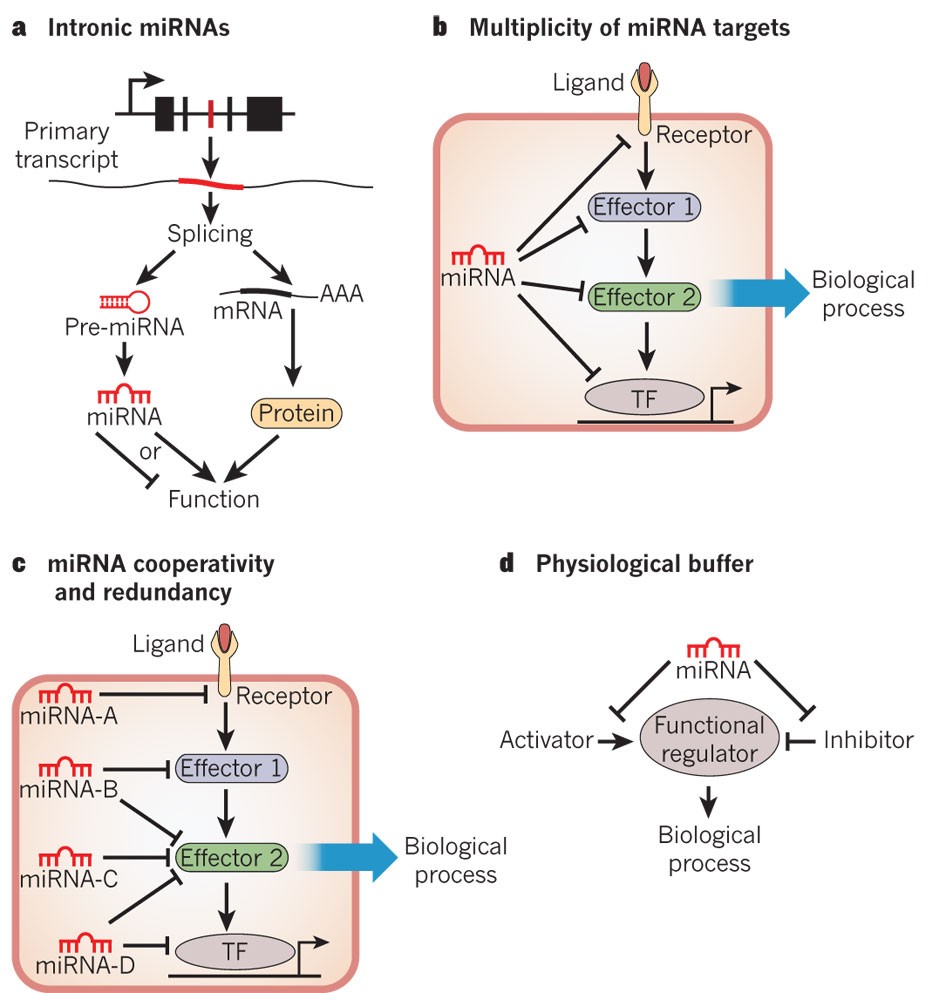
The week also underscored that evidence must remain auditable. Nature Medicine issued an expression of concern over apparent image similarities in a 2007 cardiac microRNA paper; because original data are unavailable, the journal advised caution rather than retraction. That is an important counterpoint to this week’s rapid progress: explainability and validation matter as much as headline results.
In space and security, Ukraine’s temporary loss of Starshield connectivity highlighted how military drone operations can hinge on satellite-service availability and rules that remain largely opaque. NASA, meanwhile, is inviting commercial proposals to raise Hubble’s orbit and potentially extend its scientific life beyond the early to mid-2030s, another sign of public missions leaning on private-sector capabilities.
On the consumer-energy front, Jackery introduced a 96Wh, carry-on-sized LFP power station with solar input and high-wattage USB-C ports, reflecting the same broader demand for resilient, portable infrastructure. At the molecular scale, researchers also reported a reversible single-molecule motor whose voltage-driven rotation boosted conductivity by up to 100-fold, a striking glimpse of future electronics.
That's your weekly brief. Stay curious.