Groundbreaking Renewable Energy Partnership at Australia's Newest Airport
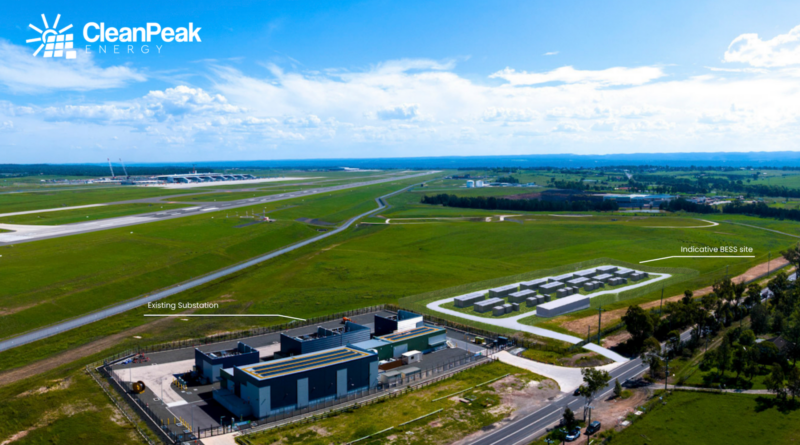
CleanPeak Energy has announced a landmark partnership with Western Sydney International (Nancy-Bird Walton) Airport (WSI) to deliver 100% renewable electricity to Australia's newest airport. The deal, which began supply on 1 May 2026, positions WSI as a global leader in sustainable aviation infrastructure. CleanPeak Energy will invest over $50 million at the site to develop 9 MWp of new rooftop solar and a 120 MWh Battery Energy Storage System (BESS). Combined with WSI's existing 4.5 MWp rooftop solar system, the project will generate more than 18 GWh of on-site renewable electricity annually under a seven-year Electricity Supply Agreement (ESA).
Integrated Energy System for Critical Infrastructure
CleanPeak Energy CEO Philip Graham emphasized the project's significance: "This project demonstrates how critical infrastructure can transition to renewable energy without compromising reliability or performance." The company will manage the airport's embedded network distribution system, ensuring all tenants and operators receive seamless renewable electricity. The fully-integrated energy system includes leasing, operating, and maintaining the existing 4.5 MWp rooftop solar installation, plus delivering approximately 9 MWp of additional solar generation—including a 4.95 MWp system on the existing cargo terminal rooftop.

Scaling to Meet Growing Demand
WSI's electricity requirements are expected to grow from around 40 GWh annually today to about 120 GWh within the next 4-5 years. CleanPeak Energy will supply 100% of the airport's electricity from day one through a combination of onsite solar generation and storage, together with additional supply from CleanPeak's growing fleet of solar farms. This scalable approach ensures the airport can meet its increasing energy needs sustainably.
Sustainability by Design
Designed from the ground up as a greenfield development, Western Sydney International Airport has been built with sustainability at its core. All operations—from baggage handling systems and terminal operations to electric airside equipment, including pushback tractors—will be powered by renewable electricity. This holistic approach ensures that every aspect of the airport's energy consumption aligns with its zero-emission goals.

Unlocking the Potential of Integrated Energy Systems
Philip Graham added: "This project is about unlocking what's possible when large-scale energy infrastructure is designed, financed and operated as an integrated energy system to power critical assets like airports without compromising performance." CleanPeak is enabling the airport to run on 100% renewable electricity by investing at the site to optimize local energy infrastructure as well as developing additional solar farms to deliver the scale of energy required to ensure the airport runs 24/7 with renewable electricity.
Implications for the Aviation Industry
This partnership sets a precedent for airports worldwide, demonstrating that even high-energy-demand facilities can achieve full renewable electricity supply. As the aviation industry faces increasing pressure to decarbonize, the WSI-CleanPeak model offers a replicable blueprint. The integration of onsite generation, battery storage, and offsite renewable procurement provides reliability and scalability.

Economic and Environmental Benefits
The $50 million investment in solar and battery infrastructure will create local jobs and reduce the airport's carbon footprint. By avoiding fossil fuel electricity, WSI will significantly lower its greenhouse gas emissions, contributing to Australia's renewable energy targets. The project also enhances energy security by reducing reliance on the grid.
Future Outlook
As WSI expands, CleanPeak Energy is positioned to scale its renewable supply accordingly. The partnership underscores a growing trend of critical infrastructure embracing clean energy solutions. With the airport's electricity demand set to triple in the coming years, the deal ensures that growth is sustainable from the outset.
This article is based on reporting by CleanTechnica. Read the original article.
Originally published on cleantechnica.com