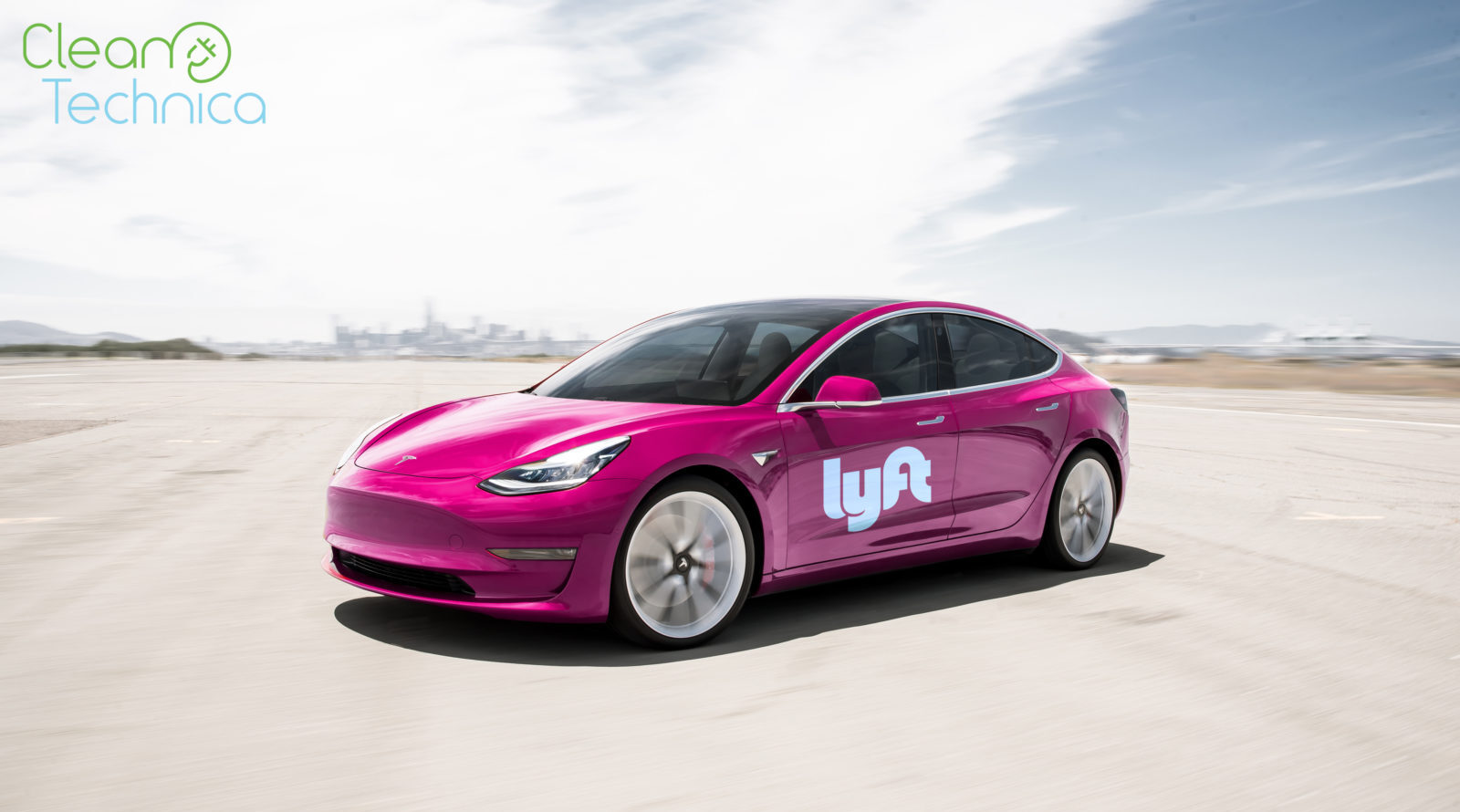
California's RIDE Program: A Game-Changer for Rideshare Drivers
California has launched a groundbreaking incentive program specifically for rideshare drivers, offering up to $20,300 toward the purchase or lease of a new zero-emission vehicle. The Drivers Assistance Program, also known as Rideshare Incentives for Driving Electric (RIDE), is designed to accelerate the adoption of electric vehicles among ride-hailing drivers who log significantly more miles than average motorists.
Generous Incentives for High-Mileage Drivers
Under the RIDE program, eligible drivers can receive up to $20,300 for a new zero-emission vehicle or up to $14,200 for a used zero-emission vehicle. Additionally, participants may receive up to $1,170 per year to help offset charging costs. These incentives far exceed standard EV rebates, reflecting the outsized impact rideshare drivers have on emissions and air quality.
Targeting Low- and Moderate-Income Drivers
The program is specifically aimed at low- and moderate-income drivers who complete a high volume of rides for transportation network companies such as HopSkipDrive, Lyft, and Uber. By focusing on those who struggle most financially, the incentives help level the playing field and make EV ownership accessible to a demographic that often faces barriers to clean transportation.
Environmental and Health Benefits
Rideshare drivers drive far more miles than the average person, so transitioning them to EVs provides disproportionate benefits for public health and the climate. Reducing tailpipe emissions from high-mileage vehicles can significantly improve air quality, especially in densely populated urban areas where ride-hailing services are most active.
Economic Relief for Underpaid Workers
Ride-hailing work is often underpaid, with drivers covering vehicle costs, maintenance, insurance, and fuel. By reducing fuel and maintenance expenses, EVs can help drivers keep more of their earnings. The RIDE program directly addresses this by lowering the upfront cost of an EV and providing ongoing charging support.
How the Program Works
The California Public Utilities Commission (CPUC) oversees the RIDE program. Eligible drivers must meet income requirements and demonstrate a high volume of rides. The incentives are distributed through participating dealerships and can be applied to both new and used zero-emission vehicles. The charging cost offset is provided annually for up to three years.
Supporting California's Climate Goals
CPUC President John Reynolds emphasized that transitioning to cleaner transportation depends on making EVs accessible to those who spend the most time on the road. The RIDE program is a targeted policy that aligns with California's ambitious climate goals, including reducing greenhouse gas emissions and improving air quality in disadvantaged communities.
Comparison to Standard EV Incentives
While California offers general EV rebates through programs like the Clean Vehicle Rebate Project, the RIDE program provides substantially higher amounts for rideshare drivers. This reflects the greater environmental and economic benefits of electrifying high-mileage vehicles. The program also includes used EVs, making it more accessible for drivers with limited budgets.
Industry and Community Response
Environmental advocates and rideshare companies have praised the program for its targeted approach. By focusing on low- and moderate-income drivers, the incentives ensure that the benefits of clean transportation reach those who need them most. The program also sets a precedent for other states looking to reduce transportation emissions.
Looking Ahead
As California continues to lead the nation in EV adoption, programs like RIDE will be crucial for meeting long-term climate targets. The state plans to monitor the program's impact and may expand it based on demand and effectiveness. For rideshare drivers, the RIDE program offers a rare opportunity to upgrade to a zero-emission vehicle with substantial financial support.
This article is based on reporting by CleanTechnica. Read the original article.
Originally published on cleantechnica.com