CATL's Battery Swap Network Reaches Major Milestone
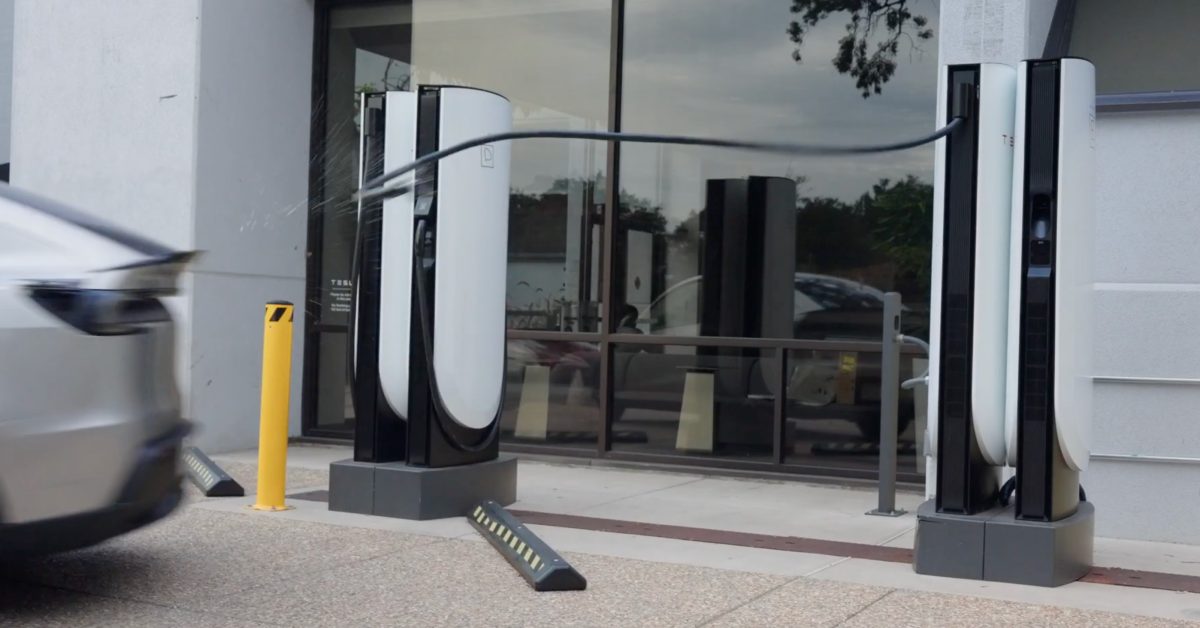
Contemporary Amperex Technology Co. Ltd. (CATL), the world's largest battery manufacturer, has achieved a significant milestone with its Choco-SEB battery swap network. As of June 30, 2026, the network has deployed its 2,000th swapping station, marking a period of incredibly rapid growth. The company has been averaging more than 200 new station deployments per month, underscoring its aggressive expansion strategy in the electric vehicle (EV) infrastructure sector.
Rapid Expansion Pace
The Choco-SEB network, backed by CATL, has been on a remarkable growth trajectory. With over 200 stations added each month, the network is scaling at a pace that outpaces many competitors. This rapid deployment is part of CATL's broader strategy to make battery swapping a convenient and accessible option for EV owners, particularly in China where the network is primarily concentrated. The 2,000th station represents a key inflection point, demonstrating the viability and demand for battery-swapping technology.

Implications for EV Adoption
Battery swapping offers a solution to one of the most persistent challenges facing EV adoption: charging time. Instead of waiting for a battery to charge, drivers can simply swap their depleted battery for a fully charged one in a matter of minutes. CATL's Choco-SEB network aims to make this process as seamless as possible, potentially reducing range anxiety and encouraging more consumers to switch to electric vehicles. The rapid expansion of swapping stations could also alleviate strain on the power grid by shifting energy demand to off-peak hours when stations recharge their battery inventories.
Technology and Partnerships
CATL's Choco-SEB batteries are designed to be standardized and compatible with multiple vehicle models, a key factor in the network's scalability. The company has partnered with several automakers to integrate its swappable battery packs into their EVs. This collaborative approach helps ensure a wide range of vehicles can utilize the network, increasing its utility and attractiveness to consumers. Additionally, CATL's expertise in battery manufacturing ensures that the swapped batteries are of high quality and reliability.
Competitive Landscape
CATL's battery swap network faces competition from other players in the space, including NIO's Power Swap stations and various initiatives by other battery manufacturers and automakers. However, CATL's scale and manufacturing capabilities give it a distinct advantage. The company's ability to produce batteries at a massive scale allows it to keep costs down and deploy stations rapidly. As the network grows, it may also benefit from economies of scale, further reducing costs and improving service.
Future Outlook
With the 2,000-station milestone achieved, CATL shows no signs of slowing down. The company is expected to continue its aggressive expansion, potentially reaching 5,000 or more stations within the next year. This growth will likely extend beyond China into other markets, as CATL seeks to establish a global presence for its battery swap technology. The success of the Choco-SEB network could also spur further innovation in battery swapping, including faster swap times and larger battery inventories at each station.

Challenges and Considerations
Despite its rapid growth, the battery swap model faces challenges. Standardization across different vehicle models and manufacturers remains a hurdle, though CATL's partnerships are helping to address this. Additionally, the upfront cost of building swapping stations is significant, and the network must achieve high utilization rates to be economically viable. However, CATL's strong financial position and commitment to the technology suggest it is prepared to invest for the long term.
Conclusion
CATL's Choco-SEB battery swap network is on a tear, deploying over 200 stations per month and recently hitting the 2,000-station mark. This rapid expansion positions CATL as a leading player in the EV infrastructure space, offering a compelling alternative to traditional charging. As the network grows and matures, it could play a pivotal role in accelerating EV adoption by addressing one of the key barriers: charging convenience. With continued investment and partnerships, CATL's battery swap network is poised to become a cornerstone of the electric mobility ecosystem.
This article is based on reporting by Electrek. Read the original article.
Originally published on electrek.co