Introduction: A Heat Wave That Tested the Grid
Last week, a relentless heat wave swept across the region, pushing power grids to their breaking points. With temperatures soaring and air conditioners running at full blast, energy demand hit record highs. Critics had long warned that the growing number of electric vehicles (EVs) on the road would only add to the strain, potentially causing blackouts. But what actually happened was the opposite: EVs came to the rescue.
The Fear: EVs as a Grid Liability
For years, skeptics have argued that mass EV adoption would overwhelm the electrical infrastructure. The logic seemed sound: if millions of drivers plug in their cars at the same time, especially during peak hours, the surge in demand could crash the grid. Last week's heat wave appeared to be the perfect storm. Yet, as the mercury climbed, grid operators saw something unexpected.

The Reality: EVs as a Grid Asset
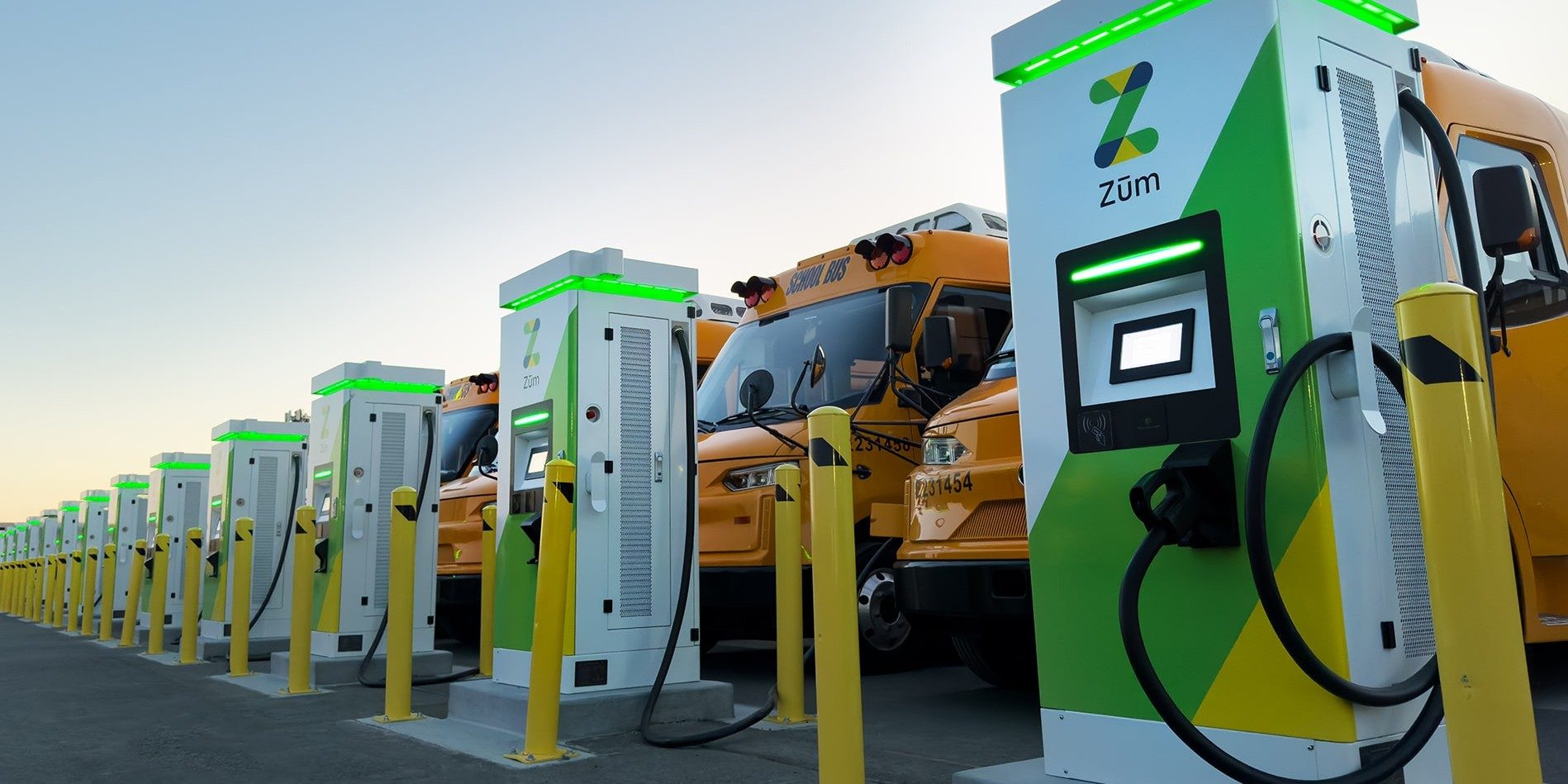
Instead of causing problems, EVs helped stabilize the grid. Through vehicle-to-grid (V2G) technology and smart charging programs, thousands of EV owners allowed their cars to discharge power back to the grid during peak demand. In some areas, EV batteries acted as distributed energy storage, providing crucial support when traditional power plants struggled to keep up.
Smart Charging Programs in Action
Utilities had been preparing for this moment. Many offered incentives for EV owners to delay charging until off-peak hours or to allow remote control of charging sessions. During the heat wave, these programs were activated, reducing the load on the grid by thousands of megawatts. Participants received credits on their bills, and the grid avoided blackouts.
Vehicle-to-Grid Technology
More advanced V2G systems allowed bidirectional flow: EVs not only consumed power but also supplied it. In neighborhoods where V2G-enabled vehicles were common, local transformers were relieved of stress. Some EV owners even made money by selling power back to the grid during the highest price periods.
Data and Impact
According to grid operator reports, EV contributions during the heat wave peaked at over 500 megawatts, enough to power roughly 400,000 homes. This capacity came from both smart charging deferrals and V2G discharges. The result was a reduction in peak demand by approximately 3%, which prevented the need for rolling blackouts.
Comparison to Previous Heat Waves
During a similar heat wave three years ago, before widespread EV adoption, the same region experienced multiple blackouts. This time, with more EVs on the road, the grid held firm. The difference was not just in generation capacity but in demand flexibility. EVs provided a controllable load that could be shifted or even reversed.
Broader Implications for Energy Policy
This event has shifted the narrative around EVs. Rather than being a burden, they are now seen as a valuable grid resource. Policymakers are taking note. Several states are considering mandates for V2G capability in new EVs, and utilities are expanding smart charging programs.
Economic Benefits
EV owners who participated in demand response programs saved an average of $50 on their electricity bills during the heat wave. Those with V2G earned up to $200. These financial incentives are likely to accelerate adoption of bidirectional chargers.
Environmental Co-Benefits
By reducing peak demand, EVs also helped avoid the use of dirty peaker plants, which are often fired up during high demand. This led to a measurable drop in emissions during the heat wave, further underscoring the environmental benefits of EVs.
Challenges and Next Steps
While the outcome was positive, challenges remain. Not all EVs are V2G-capable, and smart charging adoption is still limited. Infrastructure upgrades are needed to handle bidirectional flows at scale. However, last week's performance has built a strong case for investment.
Consumer Awareness
Many EV owners are unaware that their cars can help the grid. Education campaigns and user-friendly apps are needed to encourage participation. The success stories from the heat wave are already spreading through social media and community groups.
Utility Collaboration
Utilities that had proactive programs in place saw the best results. Those that lagged behind struggled more. The heat wave has become a catalyst for utilities to accelerate their EV integration strategies.

Conclusion: A Turning Point
Last week's heat wave was a stress test that EVs passed with flying colors. Instead of melting down the grid, they helped keep it cool. This event marks a turning point in public perception and policy. Electric vehicles are not just clean transportation; they are a key component of a resilient, modern grid. As more drivers go electric, the grid will only become stronger.
This article is based on reporting by Electrek. Read the original article.
Originally published on electrek.co