USDA's Latest Move Against the Roadless Rule
On August 18, 2026, the U.S. Department of Agriculture (USDA) announced its latest step to eliminate protections under the Roadless Area Conservation Rule, a move that would open millions of acres of national forests to potential road construction and industrial extraction. The USDA claims the change is necessary to reduce wildfire risk and expand forest management, but environmental groups and conservation advocates are pushing back hard.
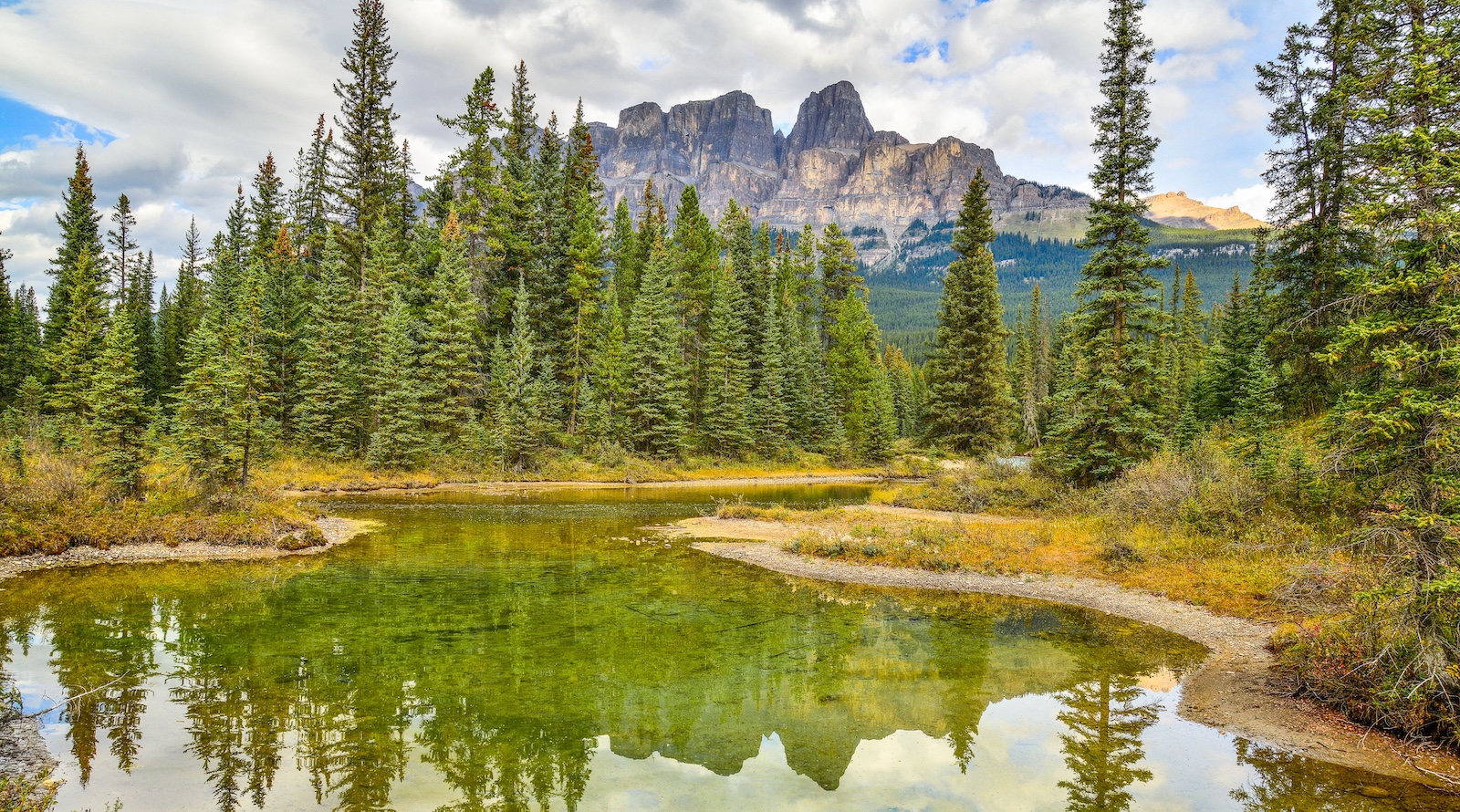
The Roadless Rule, established by the Forest Service in 2001, has for over two decades shielded some of the nation's most pristine forest lands from development. It has enjoyed broad public support and has been credited with preserving critical wildlife habitat, safeguarding clean water sources, and protecting old-growth forests. Now, the Trump administration is attempting to dismantle it, citing wildfire concerns that critics say are unfounded.
Sierra Club Responds
In a statement released the same day, Alex Craven, Sierra Club Forest Campaign manager, voiced strong opposition to the USDA's proposal. "For more than two decades, the Roadless Rule has protected the heart of our public lands, saved taxpayer dollars, and enjoyed overwhelming popularity with the general public," Craven said. "Once again, Donald Trump is showing he is eager to throw away a successful, commonsense policy while offering nothing but baseless justifications for doing so."
Craven emphasized that the Roadless Rule is the only thing preventing much of America's wildest remaining national forests from industrial development. These forests provide essential habitat for wildlife, supply clean air and water for millions of people, and contain vast expanses of the country's last old-growth forests. Removing these protections would put all of that at risk.

The Wildfire Justification: Fact or Fiction?
The administration's argument that the Roadless Rule worsens wildfire risk has been met with skepticism from scientists and conservationists. Research and historical evidence suggest that roads often lead to more human-caused ignitions, not fewer. In fact, roads can increase the frequency of wildfires by providing access to remote areas, where accidental fires and arson are more likely to occur.
Moreover, the Roadless Rule has always allowed for targeted actions to reduce hazardous fuels. It does not prohibit forest management activities aimed at reducing wildfire risk; rather, it prevents new road construction and large-scale industrial logging. The rule was designed to balance conservation with responsible stewardship, and it has done so effectively for over 20 years.
Critics argue that using wildfire as an excuse to open up intact forests to industrial exploitation is a cynical ploy. "What it does not allow is using wildfire as an excuse to open some of America's most intact public forests to industrial exploitation and new road construction," Craven stated. "Americans want and deserve forests managed for clean water, wildlife, recreation, and climate resilience — not another giveaway to extractive industries."
What's at Stake: The Value of Roadless Areas
Roadless areas are not just pristine wilderness; they are vital to the nation's ecological and economic health. These forests act as natural carbon sinks, helping to mitigate climate change. They filter drinking water for millions of Americans, reducing the need for costly water treatment facilities. They provide recreational opportunities that support local economies, from hiking and camping to hunting and fishing.
Furthermore, roadless areas are critical for biodiversity. They offer refuge for species that are sensitive to human disturbance, including many threatened and endangered species. The removal of roadless protections could fragment habitats, disrupt migration corridors, and lead to the decline of wildlife populations.
The economic argument is also strong. Protecting roadless areas saves taxpayer dollars by avoiding the high costs of road construction and maintenance in remote, rugged terrain. It also preserves the natural services these forests provide, which have an estimated value in the billions of dollars annually.
Public Opinion and Political Reality
Public opinion has consistently favored the Roadless Rule. Polls show that a majority of Americans, regardless of political affiliation, support protecting roadless areas. The rule was originally adopted after an unprecedented public comment period, during which nearly 1.6 million comments were submitted, the vast majority in favor of protection.
Despite this, the Trump administration has repeatedly attempted to weaken or eliminate the rule. This latest move is part of a broader pattern of rollbacks of environmental protections, often justified by claims of economic necessity or administrative efficiency. However, the administration's actions have faced legal challenges and public backlash, and this proposal is likely to face similar opposition.
The Road Ahead: Legal and Political Battles
The Sierra Club has vowed to fight the proposal "every step of the way," and it will not be alone. Environmental organizations, tribal nations, scientists, and community groups are expected to join the opposition. Legal challenges are likely, as the administration's justification for the rule change may not withstand judicial scrutiny.
Craven concluded: "Sierra Club will fight this reckless proposal every step of the way and stand alongside our partners, Tribes, scientists, and communities to defend the roadless forests that belong to all Americans."
The USDA's announcement is just the first step in a lengthy administrative process, which will include a public comment period and environmental review. This provides an opportunity for concerned citizens to voice their opposition and for the merits of the Roadless Rule to be debated openly.
In the meantime, the fate of millions of acres of national forests hangs in the balance. The decision will have far-reaching implications for wildlife, water quality, climate change, and the American public's access to pristine natural areas. As the battle unfolds, one thing is clear: the Roadless Rule is not just a policy; it is a symbol of the ongoing struggle between conservation and exploitation, and its outcome will shape the future of America's public lands for generations to come.
This article is based on reporting by CleanTechnica. Read the original article.

Originally published on cleantechnica.com