Introduction
Hyundai Motor Group has announced the creation of AllDayEnergy, a new global entity designed to consolidate its vehicle-to-everything (V2X) services under one unified brand. This move signals a significant step toward making smart energy management a seamless part of daily life for owners of Hyundai, Kia, and Genesis electric vehicles. The initiative promises a consistent experience across different markets and service types, leveraging the group's existing bidirectional charging technology to enhance energy efficiency and grid stability.
What is AllDayEnergy?
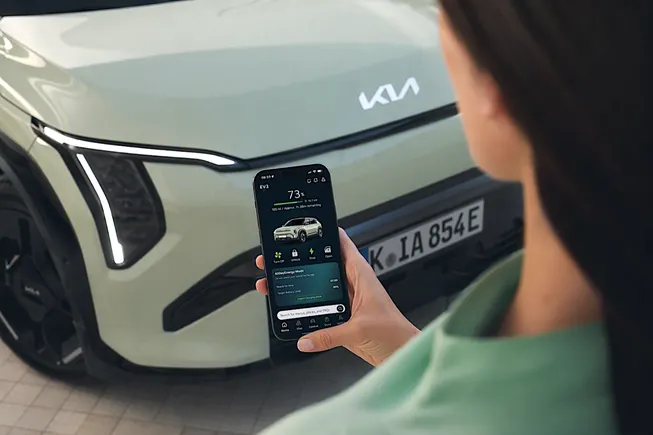
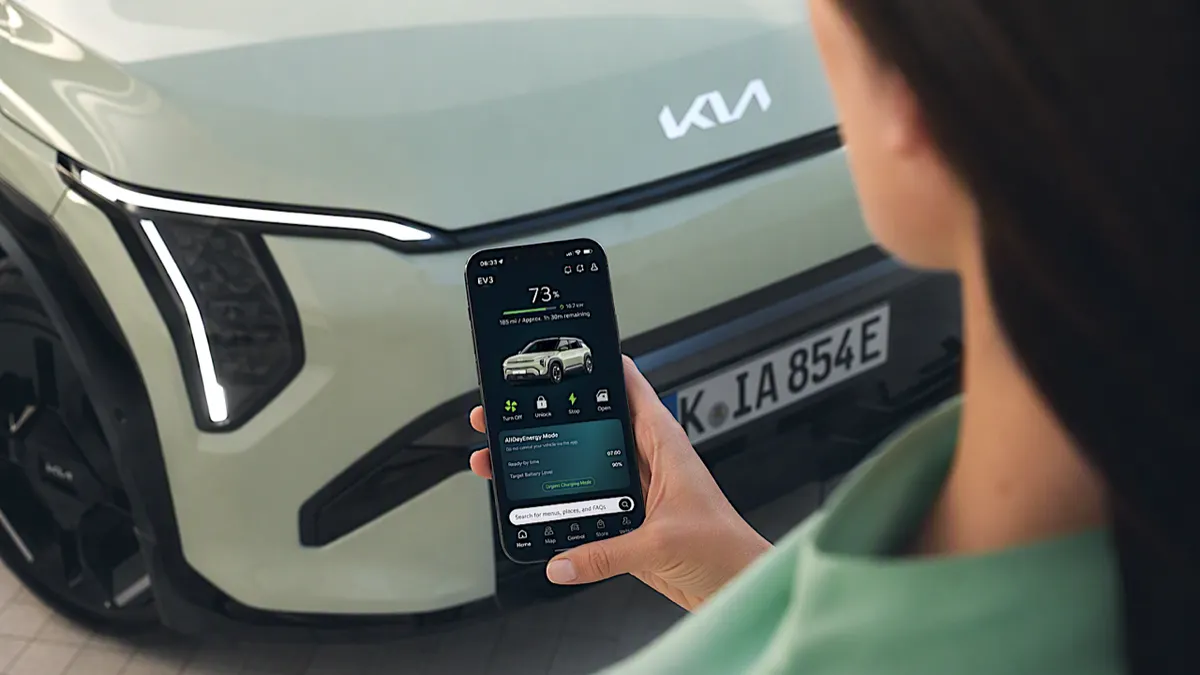
AllDayEnergy will serve as the overarching platform for the group's smart charging and bidirectional charging services. According to the automaker, the name reflects its vision of integrating smart energy management into customers' daily routines and advancing its transition into a smart energy solutions provider. The service will be accessible through the respective mobile apps of Hyundai, Kia, and Genesis, allowing drivers to manage their vehicle's energy usage with ease.
Rollout and Initial Features
The first deployment of AllDayEnergy is scheduled for the second quarter of 2026, starting with Kia owners in the United Kingdom through the Kia app. Following the UK launch, the service will expand to Europe, the United States, and South Korea. Initially, AllDayEnergy will focus on smart charging, which enables vehicles to charge at optimal times—potentially at reduced power—to alleviate strain on public utilities. This approach allows utilities to prioritize lower-emissions energy sources while enabling drivers to take advantage of time-of-use electricity rates.
Bidirectional Charging: V2H and V2G
Later phases of AllDayEnergy will introduce bidirectional charging capabilities, including vehicle-to-home (V2H) and vehicle-to-grid (V2G) functionality. This will allow EVs to not only consume energy but also supply it back to homes or the grid, turning them into mobile energy storage units. Hyundai has long been an advocate for bidirectional charging, with its E-GMP platform—the foundation for most of its current EVs in the U.S.—engineered to support this technology from the outset. However, until now, taking advantage of V2H has required third-party hardware.
Existing Solutions and Pilot Projects
Kia currently offers a bidirectional DC wall charger from Wallbox, which, when paired with a grid disconnect switch, enables models like the EV9 or EV6 to serve as backup power sources for homes or to charge using solar energy. Hyundai has also conducted several pilot projects in Europe using the Ioniq 5, demonstrating the feasibility and benefits of bidirectional charging. In November 2025, the company announced its intention to expand these smart charging initiatives, laying the groundwork for AllDayEnergy.
Implications for EV Owners and the Grid
The unification of V2X services under AllDayEnergy is expected to simplify the user experience, making it easier for EV owners to participate in demand response programs and optimize their energy usage. By enabling vehicles to charge during off-peak hours and discharge during peak demand, AllDayEnergy can help balance the grid and reduce the need for additional power plants. This not only benefits individual drivers through lower electricity costs but also contributes to broader environmental goals by promoting the use of renewable energy sources.
Future Prospects
As AllDayEnergy expands across markets, Hyundai Motor Group aims to establish itself as a leader in the smart energy sector. The company's long-term vision includes integrating its vehicles into a larger ecosystem of energy services, potentially encompassing home energy management and even peer-to-peer energy trading. With the automotive industry increasingly focusing on sustainability and energy efficiency, AllDayEnergy represents a forward-thinking approach that could set a new standard for EV ownership.
Conclusion
Hyundai's launch of AllDayEnergy marks a pivotal moment in the evolution of electric vehicle technology. By unifying smart and bidirectional charging services under one global brand, the group is making it easier for drivers to harness the full potential of their EVs as energy assets. As the rollout begins in the UK and expands to other regions, AllDayEnergy is poised to transform how we think about vehicle energy management, benefiting both consumers and the environment.
This article is based on reporting by Utility Dive. Read the original article.
Originally published on utilitydive.com