A Shocking Announcement from Stuttgart
Just a decade after Porsche stunned the automotive world with the unveiling of the Mission E concept—the precursor to the Taycan—reports now indicate that the German automaker is preparing to end production of its first all-electric sedan. According to Germany's business weekly WirtschaftsWoche, Porsche's works council has agreed in principle with a management plan to phase out the Taycan by 2030.
The news comes as a surprise to many industry observers who saw the Taycan as a landmark vehicle—one that proved a traditional sports car maker could successfully transition to electric power. The Taycan's launch in 2019 was met with critical acclaim and strong sales, helping Porsche establish a foothold in the EV market. However, the company now appears to be shifting its electric strategy, with a focus on other models and future technologies.
The Rise of the Taycan
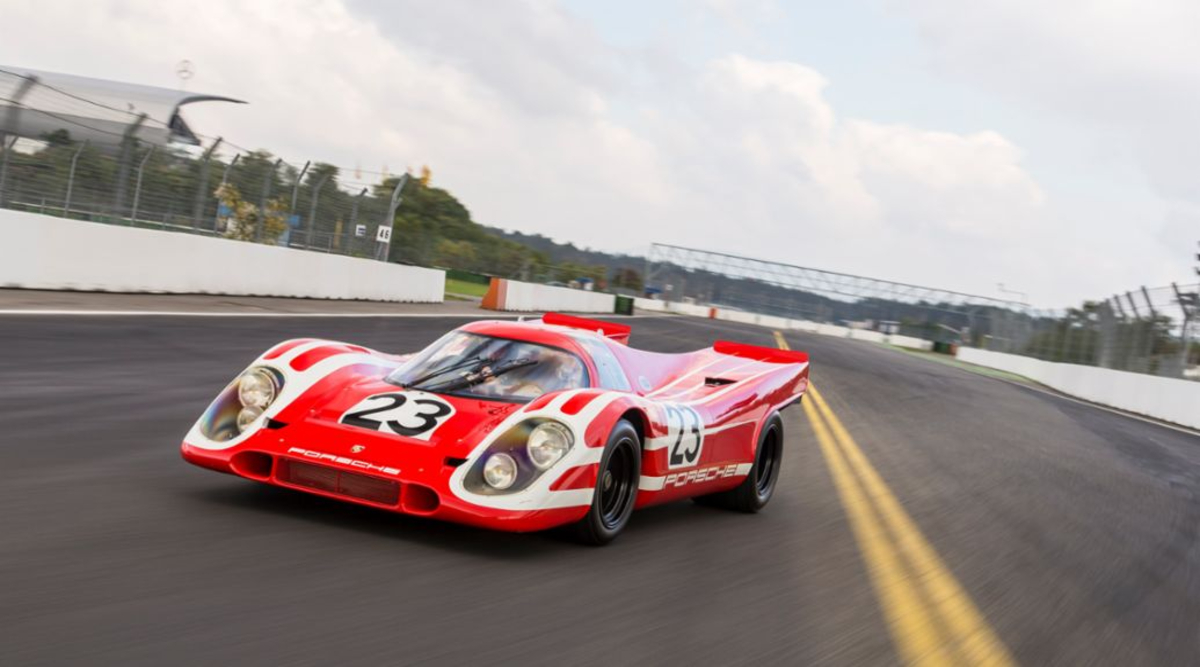
When Porsche first announced the Mission E concept in 2015, it was a bold statement of intent. The company, known for its iconic 911 sports car and Le Mans-winning 917 race cars, was taking on the challenge laid down by Tesla's Elon Musk to build compelling electric vehicles. The decision to move forward with the project was met with enthusiasm from both the automotive press and the public.
The production Taycan arrived in 2019, offering a combination of performance, luxury, and everyday usability that few EVs could match. It quickly became a best-seller in its segment, with global deliveries reaching around 41,000 units in its first full year. The success of the Taycan encouraged Porsche to expand its electric lineup, with plans for electric versions of the Cayenne, Macan, and Panamera, as well as the 718 Cayman and Boxster.
Challenges and Delays
Despite the Taycan's success, Porsche has faced challenges in its electric vehicle rollout. The development of electric 718 models has been hampered by the difficulty of fitting a large battery into the small chassis of the Cayman and Boxster. Just last week, Car and Driver reported that these models are now expected to go on sale in 2027, after several delays.
Additionally, the global automotive market has become increasingly competitive, with new EV entrants from Tesla, Lucid, and traditional automakers like BMW and Mercedes-Benz. The Taycan, while still a strong seller, has seen its dominance in the luxury EV segment eroded by newer rivals.
What the Phase-Out Means
According to Motor 1, the reported deal between Porsche management and the works council is not yet signed but outlines a gradual winding down of Taycan production rather than a sudden halt. This would give Porsche several more model years to sell and update the Taycan, allowing for a smooth transition for workers and customers.
The phase-out by 2030 suggests that Porsche is planning for a future where the Taycan is replaced by other electric models. The company has already announced that it will invest heavily in electrification, with a goal of having electric vehicles account for 80% of its sales by 2030. The Taycan's retirement could make way for a new flagship electric sedan or coupe, possibly built on a next-generation EV platform.
Implications for Porsche's EV Strategy
The decision to end Taycan production is a significant strategic shift for Porsche. It signals that the company is not content to rest on the laurels of its first EV but is looking to innovate further. The Taycan's platform, known as J1, is shared with the Audi e-tron GT, and future models may use the more advanced PPE (Premium Platform Electric) architecture developed with Audi.
Porsche has also been exploring solid-state battery technology and faster charging solutions, which could debut in the Taycan's successor. The company is committed to reducing its carbon footprint and has set ambitious sustainability goals, including becoming carbon neutral by 2030.
Reactions from the Automotive World
The news has sparked a range of reactions from industry analysts and enthusiasts. Some see it as a natural evolution, as automakers constantly refresh their lineups. Others view it as a missed opportunity, given the Taycan's critical and commercial success. However, most agree that Porsche's move is a sign of the rapidly changing automotive landscape, where electric vehicles are becoming the norm rather than the exception.
For Porsche enthusiasts, the Taycan will always hold a special place in history as the car that proved a sports car maker could go electric without compromising performance. Its legacy will likely influence future Porsche EVs, and its phase-out is not an end but a beginning.

Looking Ahead
As Porsche prepares to wind down Taycan production, the company is already looking ahead. The electric Macan is expected to arrive soon, and the 718 EV is on the horizon. Porsche is also investing in charging infrastructure and digital services to enhance the ownership experience.
The phase-out by 2030 gives Porsche ample time to develop a worthy successor, one that will build on the Taycan's strengths while addressing its weaknesses. The future of Porsche is electric, and the Taycan's sunset will pave the way for a new dawn.
In the meantime, the Taycan remains a compelling choice for buyers seeking a luxury electric sedan. With several more years of production planned, there is still time to experience what many consider to be one of the best EVs on the market. As the automotive world watches, Porsche is once again preparing to make history.
This article is based on reporting by CleanTechnica. Read the original article.
Originally published on cleantechnica.com