Introduction
Jaguar Land Rover (JLR) has hit the ground running with its latest model, the Freelander 8, which has racked up over 10,000 orders in just 48 hours. The retro-inspired luxury SUV, which marks JLR's bold entry into the competitive electric vehicle (EV) market, is already being hailed as a commercial success. The strong initial demand underscores a growing trend: consumers are increasingly willing to embrace premium EVs that blend heritage design with modern technology.
Design and Heritage
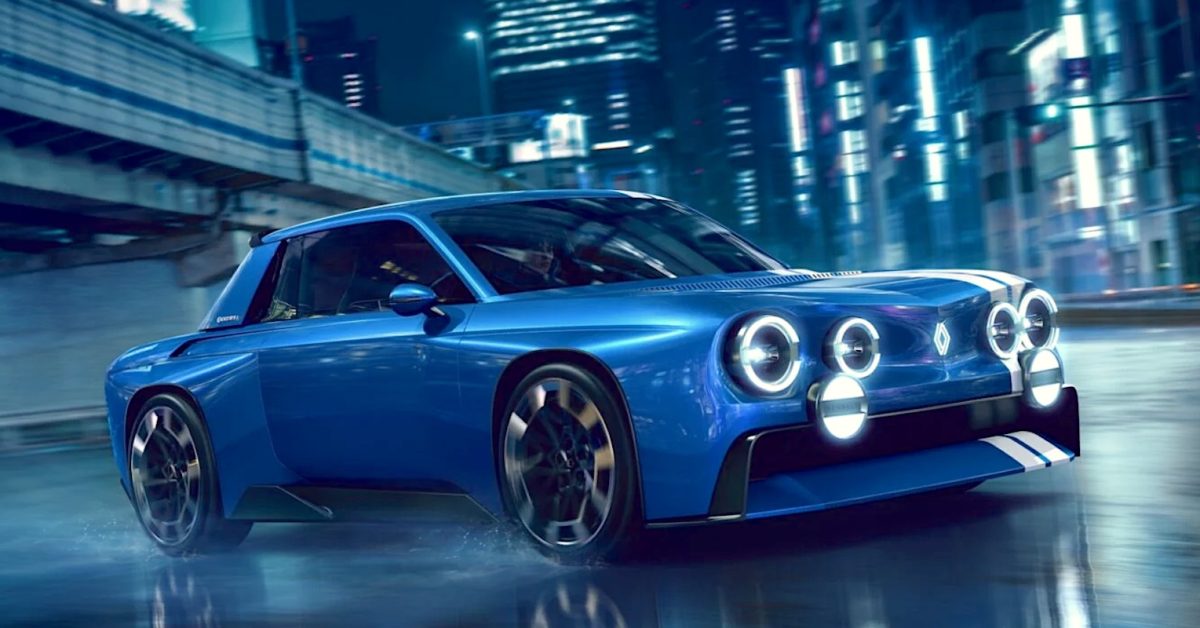
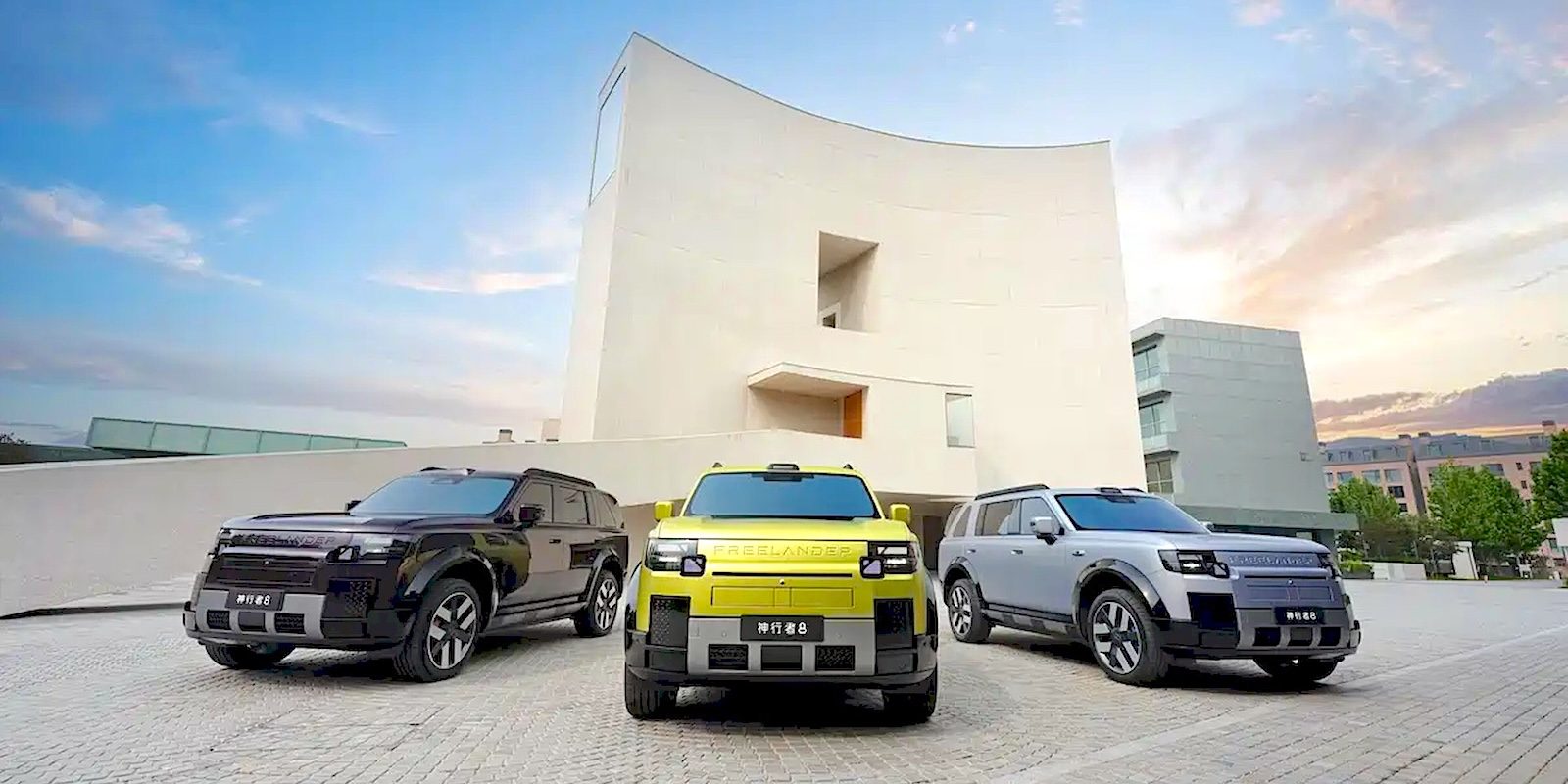
The Freelander 8 draws heavily from the original Freelander, a model that helped popularize the compact SUV segment in the late 1990s. The new version reinterprets that classic silhouette with contemporary touches, including sleek LED lighting, a prominent grille, and muscular wheel arches. Inside, the cabin combines sustainable materials with cutting-edge digital displays, offering a luxurious yet eco-conscious environment. This fusion of nostalgia and innovation appears to have struck a chord with buyers, as evidenced by the rapid order influx.
Market Positioning
JLR positions the Freelander 8 as a global contender in the luxury SUV market, directly competing with established players like Tesla's Model X, the Audi e-tron, and the BMW iX. With a starting price that undercuts many rivals, the Freelander 8 offers an attractive value proposition. Analysts note that the vehicle's blend of off-road capability, on-road comfort, and electric efficiency makes it a versatile choice for a wide range of customers, from urban professionals to adventure enthusiasts.
Performance and Range
While detailed specifications have not been fully disclosed, early reports suggest the Freelander 8 will offer multiple powertrain options, including a dual-motor all-wheel-drive setup. The top-tier variant is expected to deliver over 300 miles of range on a single charge, placing it in the upper echelon of electric SUVs. Fast-charging capabilities will allow drivers to replenish 80% of battery capacity in under 30 minutes, addressing one of the primary concerns for EV adopters.

Production and Availability
JLR has confirmed that production of the Freelander 8 will take place at its Halewood plant in the UK, a facility that has undergone significant investment to support EV manufacturing. The company plans to begin deliveries in early 2027, with priority given to customers who placed early orders. To meet the overwhelming demand, JLR is exploring ways to ramp up production capacity, including potential shift expansions and supply chain optimizations.
Impact on JLR's Electrification Strategy
The Freelander 8 is a cornerstone of JLR's broader electrification strategy, which aims to have all its models available in electric versions by 2030. The company has committed to investing billions in EV development, and the success of the Freelander 8 could accelerate these plans. Industry experts believe that the strong initial orders will boost investor confidence and provide the financial momentum needed to fund future innovations.
Consumer Response and Reviews
Early reactions from consumers and automotive journalists have been largely positive. Many praise the Freelander 8's distinctive design, which sets it apart from the sea of similar-looking EVs. The vehicle's off-road credentials, a hallmark of the Land Rover brand, have also been highlighted, with test drives showing impressive capability on rugged terrain. Some critics, however, have noted that the interior, while luxurious, may feel cramped for taller passengers in the rear seats.
Competitive Landscape
The luxury EV SUV segment is becoming increasingly crowded, with new entrants like the Rivian R1S and the Mercedes-Benz EQS SUV vying for market share. The Freelander 8's unique selling proposition lies in its heritage and brand loyalty. Land Rover has a dedicated following, and the Freelander name carries significant weight among enthusiasts. This emotional connection, combined with competitive pricing, could give JLR an edge over rivals that lack such a storied legacy.
Challenges Ahead
Despite the promising start, JLR faces several challenges. Supply chain disruptions, particularly in the sourcing of semiconductors and battery materials, could delay production and affect delivery timelines. Additionally, the global economic slowdown and rising interest rates may dampen consumer spending on big-ticket items like luxury vehicles. JLR will need to navigate these headwinds carefully to maintain its momentum.
Environmental Considerations
As an electric vehicle, the Freelander 8 offers significant environmental benefits over its gasoline-powered predecessors. It produces zero tailpipe emissions, and when charged with renewable energy, its overall carbon footprint is substantially lower. JLR has also committed to using recycled and sustainably sourced materials in the vehicle's construction, further reducing its ecological impact. These efforts align with growing consumer demand for environmentally responsible products.
Future Outlook
The initial success of the Freelander 8 bodes well for JLR's future. The company is already planning a range of new EVs, including a fully electric Defender and a sporty grand tourer. If the Freelander 8's order book is any indication, there is a robust market for these upcoming models. As JLR continues to evolve, it will be interesting to see how it balances its rich heritage with the demands of an electrified future.
Conclusion
JLR's Freelander 8 has made a spectacular debut, securing over 10,000 orders in just two days. This strong start reflects the vehicle's appeal and the growing appetite for luxury electric SUVs. With its blend of retro design, modern technology, and off-road capability, the Freelander 8 is poised to become a major player in the EV market. However, JLR must overcome production and economic challenges to fully capitalize on this early success. As the automotive industry shifts toward electrification, the Freelander 8 serves as a testament to the enduring allure of iconic brands adapting to new paradigms.
This article is based on reporting by Electrek. Read the original article.
Originally published on electrek.co