Introduction
As artificial intelligence drives unprecedented growth in electricity demand, innovative solutions are emerging to bridge the gap between data center needs and grid reliability. In a groundbreaking move, Sunrun, America's largest residential solar and battery storage provider, has announced an agreement with Voltus, a leading distributed energy resource platform, to supply energy capacity from home batteries to AI hyperscalers. This partnership aims to deliver immediate megawatts through Voltus's Bring Your Own Capacity™ (BYOC) program, strengthening grid reliability while creating economic benefits for customers across the PJM and MISO regions.
The Growing Demand for AI Power
The rapid expansion of AI technologies, particularly data centers that support machine learning and cloud computing, has led to a surge in electricity consumption. Hyperscalers—large-scale data center operators—require vast amounts of reliable, flexible power to ensure uninterrupted operations. However, traditional grid infrastructure often struggles to keep pace with this demand, leading to interconnection bottlenecks and reliability concerns. The Sunrun-Voltus partnership addresses this challenge by tapping into the untapped potential of distributed energy resources (DERs) like residential batteries and solar panels.

How Bring Your Own Capacity Works
Voltus's BYOC program, announced last year, is a first-of-its-kind solution that enables large loads like hyperscalers to bring their own capacity to the table. Instead of relying solely on grid upgrades, hyperscalers can contract with distributed energy platforms like Voltus to orchestrate flexible resources—such as home batteries, smart thermostats, and electric vehicle chargers—to reduce demand when the grid is stressed. This approach not only provides immediate capacity but also channels investment into local communities and strengthens the grid for all users.
Under the new agreement, Sunrun will provide energy capacity from a portion of its thousands of residential storage-plus-solar systems located in the PJM and MISO grid regions. These regions cover a large swath of the eastern and central United States, including major data center hubs. By aggregating these distributed resources, Voltus can offer hyperscalers a reliable, flexible capacity source that can be dispatched on short notice, helping to avoid blackouts and reduce the need for fossil fuel peaker plants.
Economic Benefits for Homeowners
One of the most compelling aspects of this partnership is the financial incentive for homeowners. Participants in the BYOC program get paid for allowing their batteries to be used to reduce demand during peak times. This creates a new revenue stream for solar-plus-storage customers, making their investment in clean energy even more attractive. Sunrun CEO Mary Powell emphasized the importance of maximizing every electron: "Meeting growing energy demand requires us to maximize every single electron available across the country. In collaboration with Voltus, we are providing critical capacity from home batteries supported by funding from hyperscalers. This is just the beginning of what distributed energy assets can achieve."
Grid Reliability and Environmental Impact
The collaboration also has significant implications for grid reliability and environmental sustainability. By leveraging residential batteries, the partnership reduces the need for new natural gas peaker plants, which are often used only during peak demand and are major sources of carbon emissions. Instead, clean, stored solar energy can be dispatched to meet demand, lowering greenhouse gas emissions and improving air quality. Furthermore, by easing congestion on transmission lines, the program can help prevent costly grid upgrades and reduce the risk of outages.
Voltus CEO Dana Guernsey highlighted the broader impact: "BYOC is about turning distributed resources into capacity the grid can count on, and maximizing value for the end user. This partnership brings together Sunrun's residential scale with Voltus's market-integrated flexibility platform so distributed capacity can support reliability, affordability, and growth as electricity demand increases."
Building on a Larger Movement
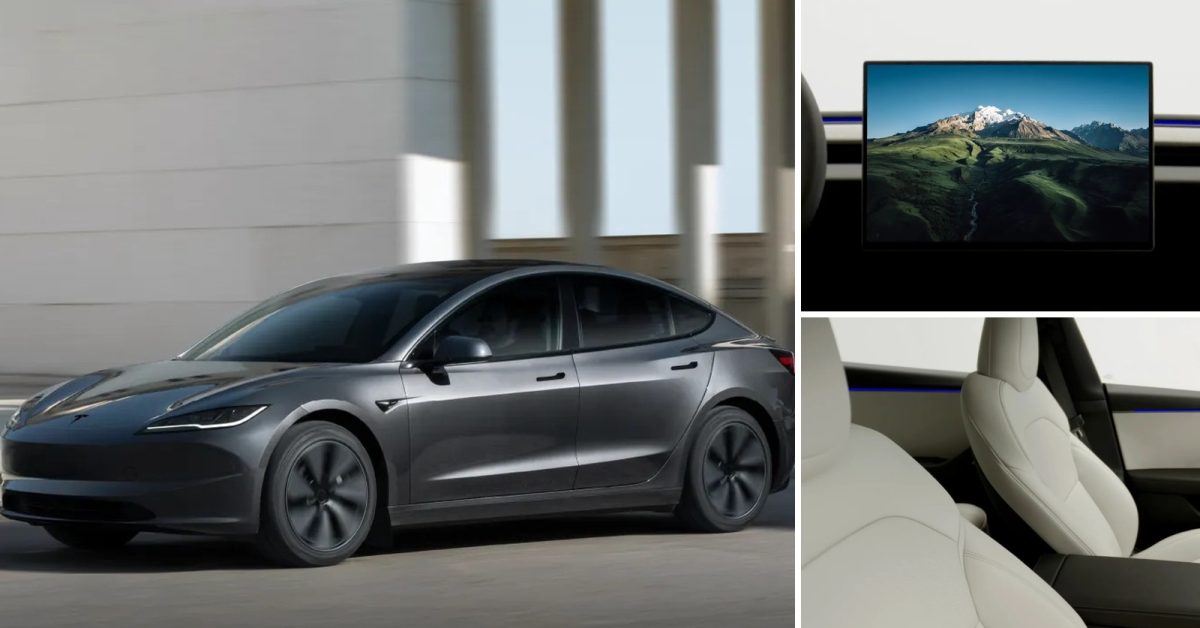
This initiative is not an isolated effort. The Sunrun-Voltus collaboration builds on a recent and separate initiative by Sunrun, Renew Home, and Tesla focused on unlocking more than 16.8 gigawatts of flexible capacity from home batteries, solar, smart thermostats, and electric vehicles. Together, these efforts are unlocking existing distributed energy resources at scale, demonstrating the potential for a more decentralized, resilient, and clean energy grid. As more homes adopt solar-plus-storage, the aggregate capacity available for programs like BYOC will only grow, offering a scalable solution to the energy demands of the digital age.
Conclusion
The partnership between Sunrun and Voltus marks a significant step forward in the integration of distributed energy resources into the mainstream electricity market. By enabling AI hyperscalers to procure capacity from residential batteries, the program not only meets the immediate needs of data centers but also creates economic value for homeowners and enhances grid reliability. As electricity demand continues to rise, innovative collaborations like this will be essential to building a sustainable, resilient energy future. With the backing of major players and the participation of thousands of households, the potential for distributed energy to power the AI revolution is just beginning to be realized.
This article is based on reporting by CleanTechnica. Read the original article.
Originally published on cleantechnica.com