A $25,000 Warning Attached to a Convenience Feature
Tesla has built much of its modern identity around software: capabilities that arrive overnight, improve over time, and blur the line between a car and a connected device. That strategy has produced some of the most talked-about features in the auto industry. It has also produced features with consequences that owners may not fully appreciate until something goes wrong — and according to reporting from Electrek, the company's new "Emergency Drive Away" feature belongs firmly in that second category.
The report states that using Emergency Drive Away can do as much as $25,000 in damage to a Supercharger, and that the damage figure applies every single time someone triggers the feature. On top of that, the vehicle requires a mandatory service visit afterward. Those two details, taken together, transform what sounds like a simple escape hatch into a potential financial and logistical event for the person behind the wheel.
What Emergency Drive Away Appears to Do
The name of the feature is the clearest available clue to its purpose. An "emergency drive away" suggests a last-resort maneuver — a way for a vehicle to remove itself from a situation where staying put is no longer viable, whether because of a fault, a hazard, or an urgent need to leave.
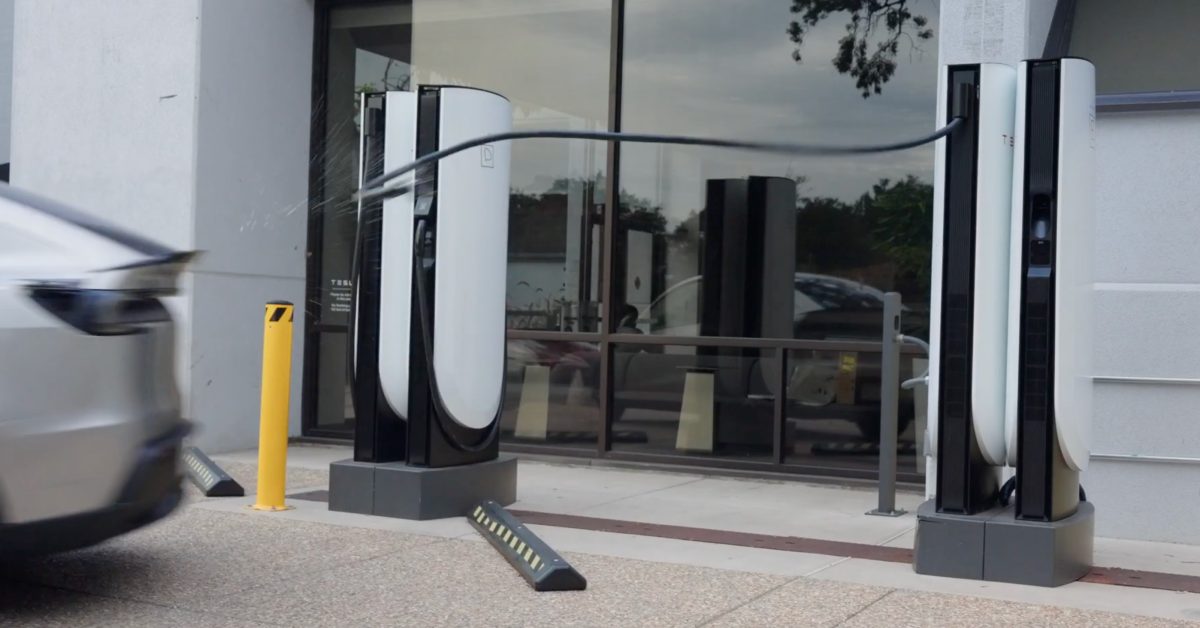
What the reporting makes explicit is the mechanism's physical cost. The maneuver is capable of damaging Supercharger hardware itself, meaning the stall, cable, or associated equipment can be harmed in the process. Because Tesla owns and operates the Supercharger network directly, that damage lands on infrastructure the company is responsible for maintaining and repairing.
Equally consequential is the second condition: a mandatory service visit for the car. A feature that damages external hardware is one problem. A feature that also requires the vehicle to be brought in for inspection or repair is a compounding one, because it extends the incident well beyond the moment of use.
Why an Emergency Mode Exists at All
Modern electric vehicles are, in practical terms, computers with wheels. Software governs charging sessions, thermal management, locking, and drivetrain behavior. When any of those systems misbehaves, or when circumstances leave a driver needing to depart a charging stall immediately, an override path can be genuinely valuable. The existence of such a function is not inherently unreasonable.
The issue is what happens when the override path is used as designed. If a genuine emergency use produces a five-figure equipment repair and a service appointment, the economics of the feature become difficult to justify for the owner — even if the alternative in the moment was worse.
The Mandatory Service Visit
The service requirement deserves particular attention. It signals that the manufacturer believes the maneuver may stress or damage components of the vehicle itself, not only the charging equipment outside it. A mandatory visit implies inspection, and inspection implies the possibility of further repair costs layered on top of whatever the charging station bill turns out to be.

The Anatomy of a Supercharger — and Why Damage Gets Expensive
To understand how a single incident could generate a bill approaching $25,000, it helps to consider what actually sits inside a charging post. These are not passive outlets. A modern DC fast-charging stall contains power conversion electronics, thermal management systems, communication hardware, safety interlocks, and cables that are often liquid-cooled to handle high current without overheating.
When that assembly is physically stressed or struck, the damage is rarely limited to a cosmetic panel. Cables, connectors, and internal electronics can all be affected, and repairs on this class of equipment typically involve specialized parts and trained technicians. Multiply that across a station that may serve dozens of vehicles per day, and the operational stakes become clear: a damaged post is not merely a repair invoice, it is a reduction in network capacity.
A five-figure figure is therefore not as implausible as it first appears. It reflects how much engineering is packed into a single charging stall — and how much it costs to restore one to service.
Who Pays When a Feature Backfires?
The most uncomfortable question raised by this report is also the simplest: who absorbs the cost? Several possibilities exist, and the answer likely depends on circumstances that Tesla has not fully detailed publicly.
- Warranty coverage. If the feature behaves exactly as designed, an argument can be made that the resulting damage is the manufacturer's responsibility rather than the owner's. Whether Tesla's warranty language extends that far is a separate matter.
- Insurance. Damage to third-party or company-owned equipment could, in principle, fall under an owner's policy — but a claim of this size may affect premiums and deductibles.
- The driver. If the feature is deemed to have been used improperly, the cost could land squarely on the owner.
- Tesla itself. Because Tesla owns the Supercharger network, absorbing repair costs internally is also an option, though it would represent a recurring expense tied to a feature it shipped.
The report notes that Tesla has since released additional information on the matter. Even so, the core ambiguity — who ultimately bears the bill when an official feature causes official damage — remains the crux of the story.
A Delivery Beat Inside a Softening Quarter
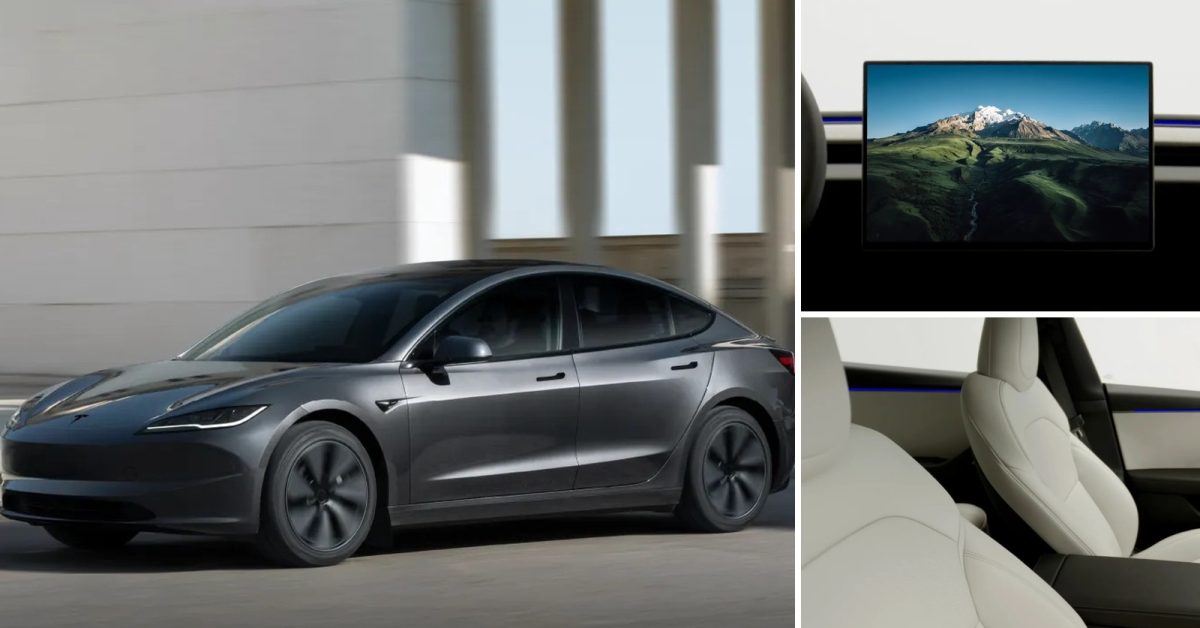
The timing of this discussion is notable. Tesla reported 486,532 deliveries for the third quarter of 2026, a decline of 2% year over year that nonetheless came in above expectations, as Electrek's Fred Lambert reported on October 2, 2026.
That combination — lower volume but a better-than-expected result — captures the position Tesla occupies heading into late 2026. Demand is not collapsing, but the era of effortless year-over-year growth has given way to a more contested market, one where every incremental advantage and every unforced error carries more weight than it once did.
Against that backdrop, a feature that can generate tens of thousands of dollars in collateral damage is not simply a technical curiosity. It is a reputational and financial variable at a moment when the company can least afford either.
Why Charging Network Economics Matter More Than Ever
The Supercharger network is one of Tesla's most valuable strategic assets. It has functioned as both a practical moat and a marketing engine, helping convince buyers that long-distance electric travel is viable. As rival networks scale and as more manufacturers gain access to Tesla's plugs, that differentiation narrows.
Each damaged post is therefore doubly costly: the company pays for the repair, and drivers lose a functioning stall in the meantime. Reliability is the entire promise of a charging network. Features that put that reliability at risk — even rarely, even in emergencies — deserve scrutiny proportional to the value of the asset they can harm.
Risk, Liability, and the Trust Equation
Every automated function is an implicit agreement between automaker and owner. The company ships a capability; the owner trusts that using it as intended will not generate unforeseen liabilities. When that trust is tested, the consequences extend beyond a single repair bill.
For Tesla specifically, the stakes are amplified because the company straddles two roles at once. It builds the car that performs the maneuver and owns the equipment that absorbs the damage. That dual position could make resolution simpler — a single party controls both sides of the transaction — or considerably messier, depending on how the company chooses to assign responsibility.
What Owners Should Keep in Mind
- Understand what an emergency feature actually triggers before relying on it in a stressful moment.
- Recognize that some maneuvers carry consequences beyond the immediate situation, including service appointments.
- Review warranty language and insurance coverage for scenarios involving damage to charging infrastructure.
- Report incidents promptly and document what happened, including the circumstances that made the feature necessary.
The Bottom Line
Tesla's Emergency Drive Away feature is a reminder that software-defined vehicles introduce software-defined liabilities. A capability designed to help a driver out of a bad situation can, according to the reporting, leave behind a repair bill of up to $25,000 and a mandatory trip to service. Until Tesla clarifies who absorbs those costs, owners are left to weigh a genuine safety option against a financial exposure that the feature's name gives no hint of.
This article is based on reporting by Electrek. Read the original article.
Originally published on electrek.co