An old technique is being recast as a modern energy tool
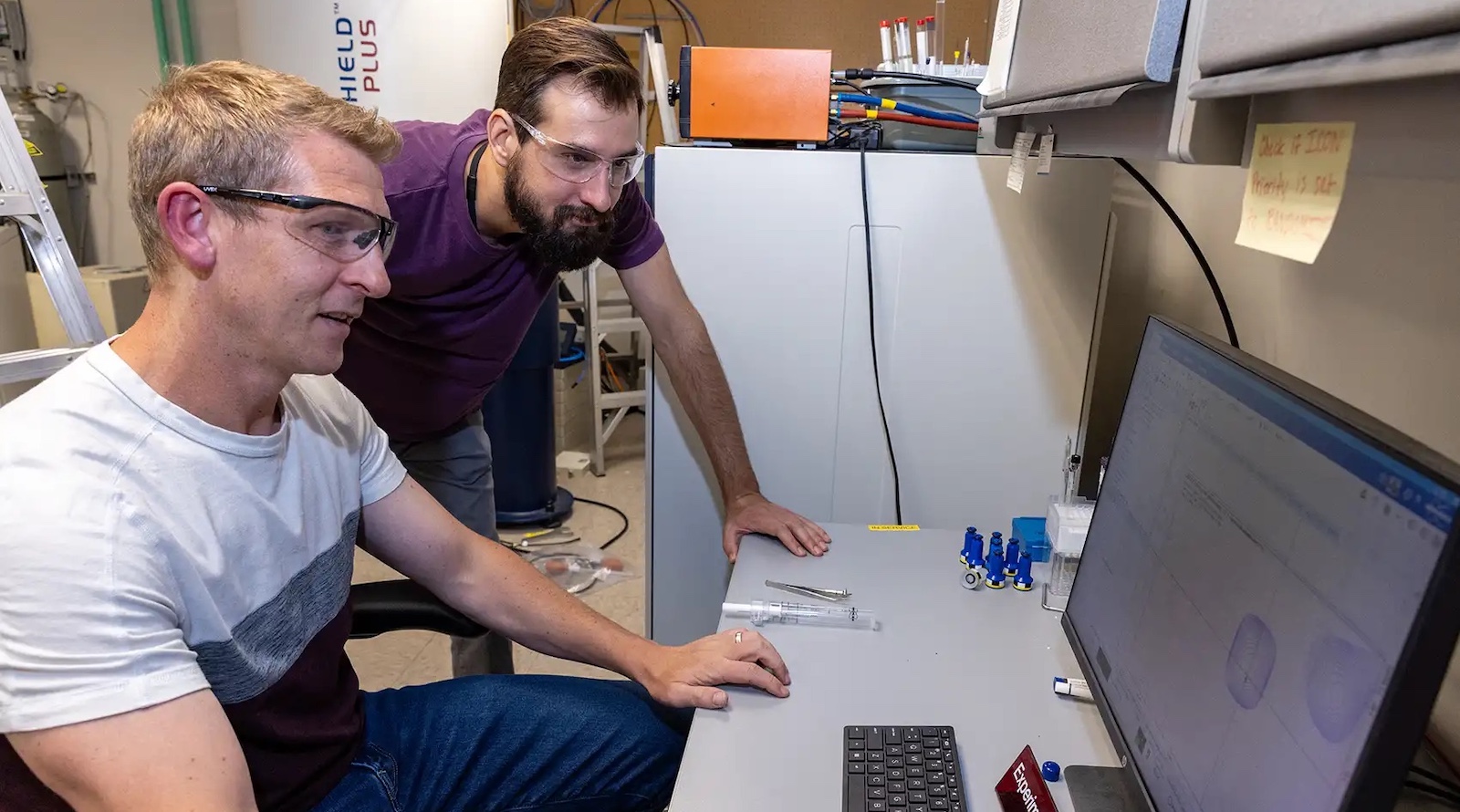
Researchers at the U.S. Department of Energy’s National Laboratory of the Rockies are making a case for a familiar but often narrowly used technique to play a larger role in energy innovation. Their argument centers on nuclear magnetic resonance, or NMR, a method long associated with routine chemistry confirmation but now being promoted as a more versatile way to probe batteries, semiconductors, bioplastics, and other advanced materials at the atomic level.
The article supplied with this candidate frames the effort around a simple but revealing question posed by NMR facility director Bennett Addison: did researchers really make what they think they made? In the lab, that question can separate a material that looks correct on paper from one that actually behaves as intended in a device or manufacturing setting. A semiconductor may appear pristine yet underperform. A synthetic fiber may seem robust but break down unexpectedly. In both cases, the source argues, overlooked atomic-scale structure can be the problem.
NMR is presented as the tool that can resolve that uncertainty. By using magnetic fields to study atomic structure, the technique can help researchers identify what is really present inside a material, not just what synthesis plans or production assumptions say should be there.
Beyond “bread-and-butter” scans
The source text draws a distinction between routine NMR use and what Addison and colleagues want to encourage next. In many laboratories, organic chemists use standard scans mainly to confirm whether input chemicals reacted correctly and produced a pure final product. Those scans are useful, but they are also narrow in purpose. Once trained, many researchers can run them independently.
The more ambitious opportunity lies in lesser-used NMR methods that move beyond basic confirmation. Addison’s view, as described in the source, is that these nonroutine approaches are more widely applicable than many industries and researchers appreciate. Rather than serving only as a checkpoint at the end of synthesis, NMR could become a discovery tool that helps explain why a promising material falls short, how a structure differs from expectations, or where a manufacturing process introduces hidden flaws.
That matters in energy and materials work because performance often depends on subtle atomic arrangements. A battery material that stores charge inefficiently, a semiconductor with unexpected defects, or a polymer that degrades too quickly may all require a structural explanation before they can be improved. The reported push from the National Laboratory of the Rockies is essentially an effort to broaden the research imagination around what NMR can do.
Semiconductors are one clear target
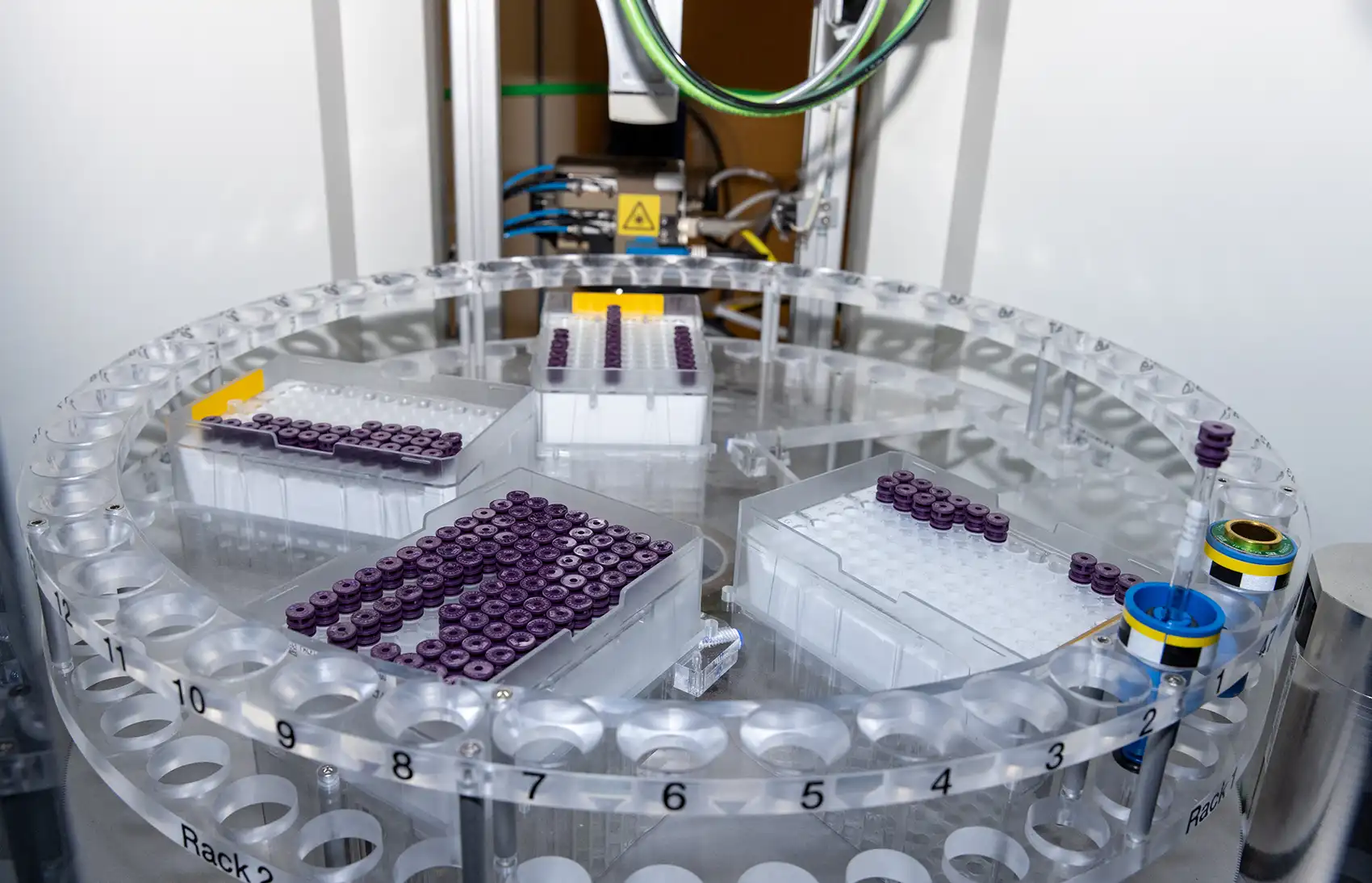
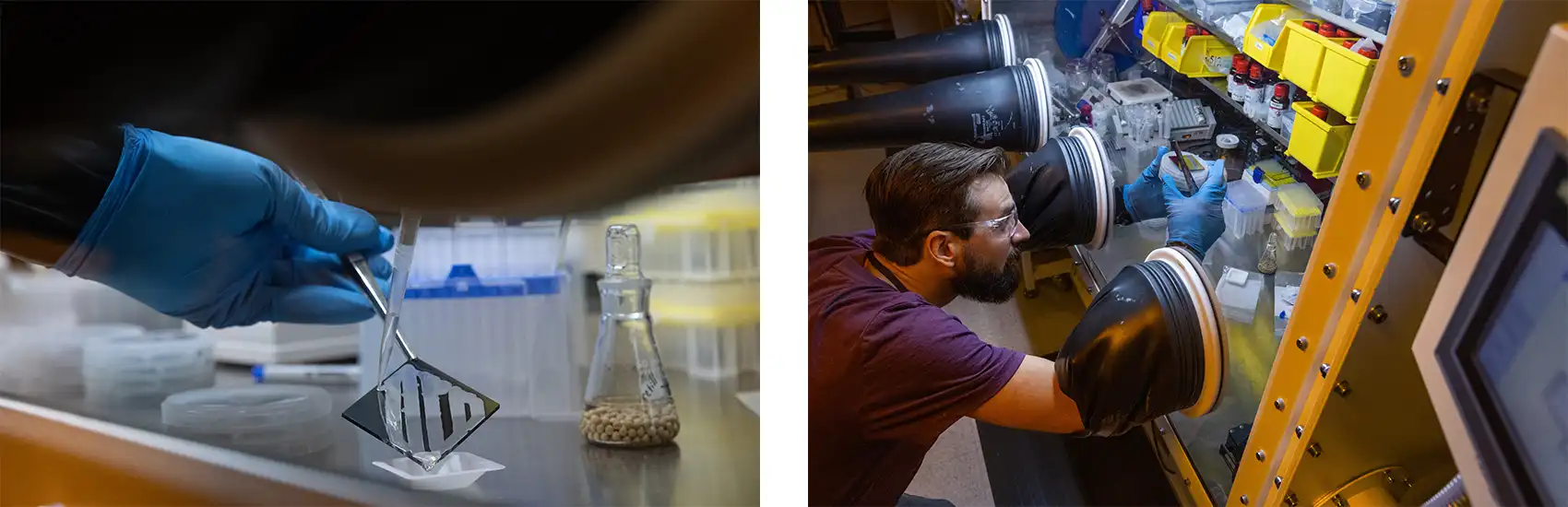
One of the clearest examples in the source text comes from semiconductor research. The article notes that companies can believe they have produced a high-quality semiconductor, only to find that real-world performance does not match expectations. NMR is described as a way to identify flaws that may otherwise go undetected.
That is significant because semiconductor development depends on increasingly precise control over materials and fabrication. If atomic-scale imperfections are distorting expected behavior, a diagnostic technique that can characterize those issues more clearly becomes strategically valuable. In the source, researcher Ross Kerner is highlighted as someone whose work helped demonstrate that value after arriving at the lab with prior exposure to NMR from graduate study.
The broader implication is not that NMR replaces other materials-analysis tools, but that it may reveal dimensions of structure and defect chemistry that researchers are currently underusing. In sectors where U.S. competitiveness depends on advanced materials, even incremental gains in diagnostic capability can matter.
Potential reach extends to batteries, bioplastics, and critical materials
The story also places batteries, semiconductors, and bioplastics under the same umbrella of opportunity. That grouping is notable because it suggests NMR’s usefulness is not limited to one niche of chemistry or electronics. Instead, the method is being pitched as a cross-cutting analytical capability relevant to energy storage, materials manufacturing, and chemical innovation.
For batteries, atomic-level structure can influence charge transport, stability, lifetime, and manufacturability. For bioplastics and synthetic fibers, the arrangement of molecules can shape durability and breakdown behavior. In all of these areas, the source argues that researchers may be underestimating how often hidden structural details are responsible for disappointing results.
Addison’s position, as conveyed in the article, is that there is “almost definitely” a way NMR is useful in most research fields if scientists are willing to explore beyond the standard workflows. That is not a claim of a single universal fix. It is a call for broader experimentation with the technique’s lesser-used modes, especially in applied research tied to national energy, chemical, material, and critical mineral priorities.

A competitiveness argument, not just a lab-method story
What gives the piece more weight than a standard laboratory profile is its explicit competitiveness angle. The source says broader use of advanced NMR methods could help launch homegrown innovation and give U.S. energy, chemical, material, and critical mineral industries an edge if more researchers adopt them.
That framing connects an analytical instrument to industrial strategy. Better diagnostics can shorten the distance between prototype and useful product by exposing failure points earlier. They can also reduce wasted effort spent optimizing a material that was never structurally what its creators assumed. In research fields where development cycles are expensive and complex, that kind of clarity can have outsized value.
The article does not present NMR as a new invention. In fact, part of its point is that an 80-year-old technique may still have underexploited potential. That makes the story less about novelty in the conventional sense and more about rediscovery: taking an established scientific method and applying it more aggressively to present-day energy and materials challenges.
Why this matters
Emerging-technology coverage often focuses on new devices, new startups, or new policy packages. This story points to a different layer of innovation: the analytical tools that determine whether ambitious materials ideas survive contact with reality. If researchers cannot reliably characterize what they have made, progress in batteries, semiconductors, and sustainable materials slows down long before commercialization.
The National Laboratory of the Rockies team is effectively arguing that one bottleneck is cultural as much as technical. Scientists know NMR, but many still use it in a limited way. Expanding that use could produce better answers at a moment when energy systems and material supply chains are under pressure to improve quickly.
That makes this more than a profile of a laboratory technique. It is a reminder that breakthroughs often depend not only on inventing new materials, but on seeing existing ones more clearly. In that sense, the reported work is about improving the infrastructure of discovery itself.
This article is based on reporting by CleanTechnica. Read the original article.

Originally published on cleantechnica.com