Die Größten Schwarzen Löcher in Gravitationswellenkatalogen Könnten Kosmische Recycler Sein
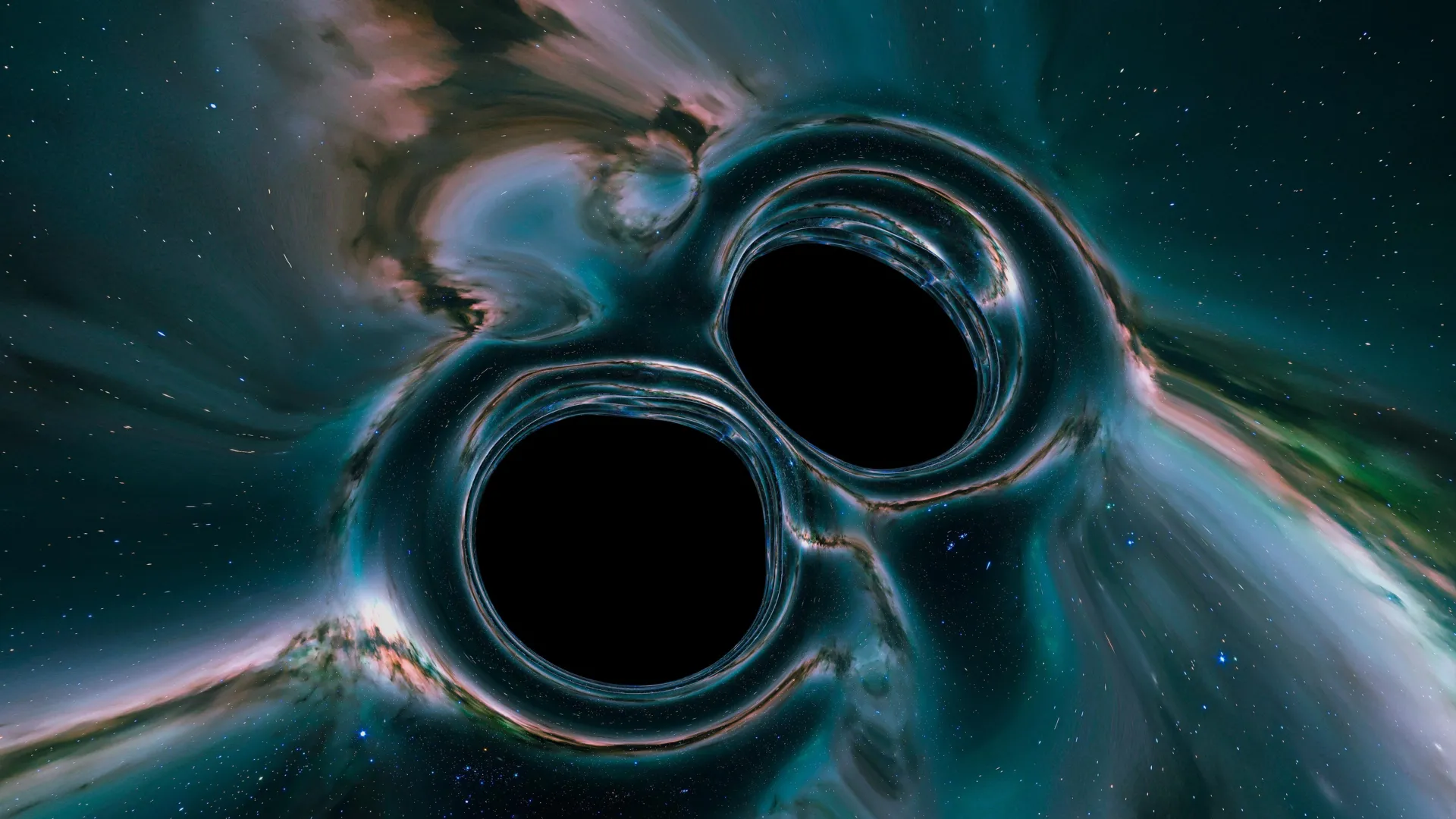
Die größten Schwarzen Löcher, die durch Gravitationswellen entdeckt wurden, sind möglicherweise nicht direkt aus dem Kollaps von Sternen entstanden. Neue Forschung legt vielmehr nahe, dass viele von ihnen durch wiederholte Verschmelzungen in extrem dicht besiedelten Sternhaufen aufgebaut wurden, wodurch eine eigene Population schwerer, schnell rotierender Objekte mit einer ganz anderen Geschichte als gewöhnliche stellare Schwarze Löcher entstand.
Die von einem Team unter Leitung der Cardiff University berichtete und in Nature Astronomy veröffentlichte Entdeckung fügt dem, was die Gravitationswellenastronomie heute leisten kann, eine wichtige Ebene hinzu. Das Feld beschränkt sich nicht mehr darauf, Verschmelzungsereignisse zu zählen. Es beginnt zu rekonstruieren, wie Schwarze Löcher wachsen und in welchen Umgebungen die Bedingungen dafür am ehesten entstehen.
Dieser Wandel ist wichtig, weil die Herkunft sehr massereicher Schwarzer Löcher eines der schwierigeren Rätsel war, die durch Gravitationswellenbeobachtungen aufgeworfen wurden. Einige Objekte erscheinen zu groß oder dynamisch zu ungewöhnlich, um sich nahtlos in das einfachste Bild einzufügen, in dem ein Stern einmal kollabiert und ein Schwarzes Loch mit einer geradlinigen Entwicklungsgeschichte zurücklässt.
Ein Großer Katalog und eine Neue Frage nach Populationen
Die Forschenden untersuchten Version 4.0 des LIGO-Virgo-KAGRA Gravitational-Wave Transient Catalog, bekannt als GWTC4. Der Katalog enthält 153 verlässliche Nachweise verschmelzender Schwarzer Löcher und bietet Astronominnen und Astronomen damit eine deutlich größere Stichprobe als in den frühen Jahren der Gravitationswellenforschung verfügbar war.
Mit diesem größeren Datensatz fragte das Team, ob die massereichsten Schwarzen Löcher im Katalog „zweite Generation“ sein könnten. In diesem Szenario bleiben Schwarze Löcher, die aus sterbenden Sternen hervorgehen, nicht isoliert. Stattdessen stoßen sie in dichten stellaren Umgebungen miteinander zusammen und erzeugen größere Überreste, die später erneut verschmelzen können. Mit der Zeit entsteht so eine hierarchische Kette von Kollisionen, die Schwarze Löcher im Grunde in schwerere Nachkommen recycelt.
Laut dem Ausgangstext sind die Umgebungen, die diesen Prozess unterstützen können, Sternhaufen mit einer Dichte von bis zu einer Million Mal der Region um unsere Sonne. In solchen Umgebungen werden wiederholte enge Begegnungen plausibel genug, damit hierarchische Verschmelzungen von einer theoretischen Möglichkeit zu einer beobachtbaren Erklärung werden.
Spin Erweist Sich als Entscheidender Hinweis
Die Masse allein löst das Problem nicht. Was den Fall für hierarchische Verschmelzungen zu stärken scheint, ist das Spin-Verhalten der schwersten Objekte. Das Team unter Leitung von Cardiff identifizierte zwei Gruppen in den Gravitationswellendaten: eine niedrigmassige Population, die mit Schwarzen Löchern vereinbar ist, die durch gewöhnlichen Sternkollaps entstanden sind, und eine höhermassige Population, deren Spins dem entsprechen, was Wissenschaftlerinnen und Wissenschaftler bei wiederholten Verschmelzungen in dichten Haufen erwarten würden.
Diese Unterscheidung ist bedeutsam, weil Spin wie ein historisches Protokoll wirkt. Ein Schwarzes Loch, das durch frühere Verschmelzungen entstanden ist, kann Drehimpuls-Signaturen tragen, die sich von denen unterscheiden, die für Objekte der ersten Generation erwartet werden. Wenn die massereichsten Schwarzen Löcher sich auch so drehen, wie es hierarchisches Wachstum vorhersagt, hilft das, sie vom Rest der Population abzugrenzen, statt lediglich das Standardmodell des Sternkollapses an größere Zahlen anzupassen.
Das Ergebnis ist ein strukturierteres Bild der Schwarzen-Loch-Zählung. Statt eines glatten Kontinuums ähnlicher Objekte, die sich nur in der Größe unterscheiden, könnte der Katalog zwei Populationen enthalten, die durch unterschiedliche Entstehungskanäle geprägt sind. Eine Population entsteht aus dem Tod massereicher Sterne. Die andere wird durch gewaltsames Recycling in dicht bevölkerten kosmischen Umgebungen geschmiedet.
Warum der Befund für die Astrophysik Wichtig ist
Wenn sich diese Interpretation bestätigt, verändert das die Rolle von Gravitationswellenobservatorien in der Astrophysik. Diese Einrichtungen detektieren nicht nur ferne Katastrophen. Sie verfolgen auch die verborgene Ökologie von Sternhaufen, Wechselwirkungen kompakter Objekte und die langfristigen Wachstumspfade Schwarzer Löcher.
Der Erstautor Dr. Fabio Antonini, der in der Quelle zitiert wird, beschrieb die Gravitationswellenastronomie als ein Werkzeug, um zu verstehen, wie Schwarze Löcher wachsen, wo sie wachsen und was das über das Leben und Sterben massereicher Sterne verrät. Diese Einordnung erfasst die breitere Bedeutung der Arbeit. Ein Verschmelzungssignal ist nicht nur ein einmaliges Ereignis. Es kann auch den evolutionären Hintergrund der Objekte kodieren, die es hervorgebracht haben.
Die Studie weist daher über Schwarze Löcher selbst hinaus. Wenn dichte Sternhaufen als Schwarze-Loch-Produktionslinien fungieren, erhalten Astronominnen und Astronomen eine neue Möglichkeit, die Dynamik dieser Haufen zu untersuchen. Die Eigenschaften von Verschmelzungsresten können zu indirekten Belegen für Umweltbedingungen werden, die sich sonst über kosmische Entfernungen nur schwer im Detail beobachten lassen.

Von Einzelereignissen zu Schwarzen-Loch-Stammbäumen
Eine der stärksten Implikationen der Forschung ist konzeptionell. Sie regt Wissenschaftlerinnen und Wissenschaftler dazu an, einige Schwarze Löcher nicht als Endpunkte, sondern als Zwischenprodukte zu betrachten. In einem hierarchischen Verschmelzungsbild kann ein Schwarzes Loch sowohl das Ergebnis einer Kollision als auch der Bestandteil einer späteren sein. Dadurch entsteht eher etwas wie ein Stammbaum als ein einzelnes Geburtsevent.
Diese Idee hilft auch zu erklären, warum einige der größten in Verschmelzungskatalogen entdeckten Schwarzen Löcher ungewöhnlich erschienen sind. Wenn sie „kosmische Frankensteins“ sind, um die Formulierung der Quelle zu verwenden, dann sind ihre Größe und ihr Spin keine Anomalien, die einen völlig neuen Mechanismus erfordern. Sie sind das natürliche Ergebnis davon, dass Schwarze Löcher in dichten stellaren Umgebungen immer wieder verarbeitet werden, in denen die Schwerkraft sie ständig zusammenstößt.
Das bedeutet nicht, dass jedes große Schwarze Loch, das von LIGO, Virgo oder KAGRA entdeckt wurde, denselben Ursprung hat. Die Studie legt vielmehr nahe, dass es eine eigene Hochmassklasse neben einer konventionelleren Niedrigmasspopulation gibt. Zukünftige Katalogaktualisierungen werden entscheidend sein, um zu testen, wie sauber diese Trennung bestehen bleibt, wenn die Zahl der Nachweise steigt.
Die Nächste Phase der Gravitationswellenastronomie
Je mehr Ereignisse Gravitationswellendetektoren erfassen, desto stärker wird die statistische Aussagekraft solcher Analysen. Mehr Verschmelzungen bedeuten bessere Schätzungen der Massenverteilungen, genauere Spinmessungen und robustere Tests dafür, ob hierarchisches Wachstum die dominierende Erklärung für die schwersten Systeme ist.
Deshalb wirkt dieses Ergebnis größer als eine einzelne Studie über Schwarze Löcher. Es markiert einen Abschnitt, in dem die Gravitationswellenforschung beginnt, Populationen zu sortieren, Umgebungen abzuleiten und Wachstumspfade über viele Ereignisse hinweg zu rekonstruieren. Das Feld bewegt sich von der Entdeckung zur Demografie.
- Die Forschenden analysierten 153 verlässliche Nachweise von Schwarzen-Loch-Verschmelzungen in GWTC4.
- Die massereichsten Schwarzen Löcher scheinen zweite Generation zu sein, entstanden durch wiederholte Verschmelzungen.
- Dichte Sternhaufen liefern die Umgebung, die für hierarchisches Wachstum nötig ist.
- Spinmuster helfen, die größten Schwarzen Löcher von gewöhnlichen Resten des Sternkollapses zu unterscheiden.
Wenn sich dies durch zukünftige Beobachtungen bestätigt, wird die Arbeit einen der wichtigsten bisherigen Einsichten aus Gravitationswellen schärfen: Die größten Schwarzen Löcher des Universums werden möglicherweise überhaupt nicht groß geboren. Einige von ihnen könnten, Kollision für Kollision, in den dichtesten stellaren Umgebungen aufgebaut werden, die das Universum hervorbringen kann.
Dieser Artikel basiert auf einer Berichterstattung von Science Daily. Den Originalartikel lesen.

Originally published on sciencedaily.com