Broad UK proposal could bring unexpected platforms into scope
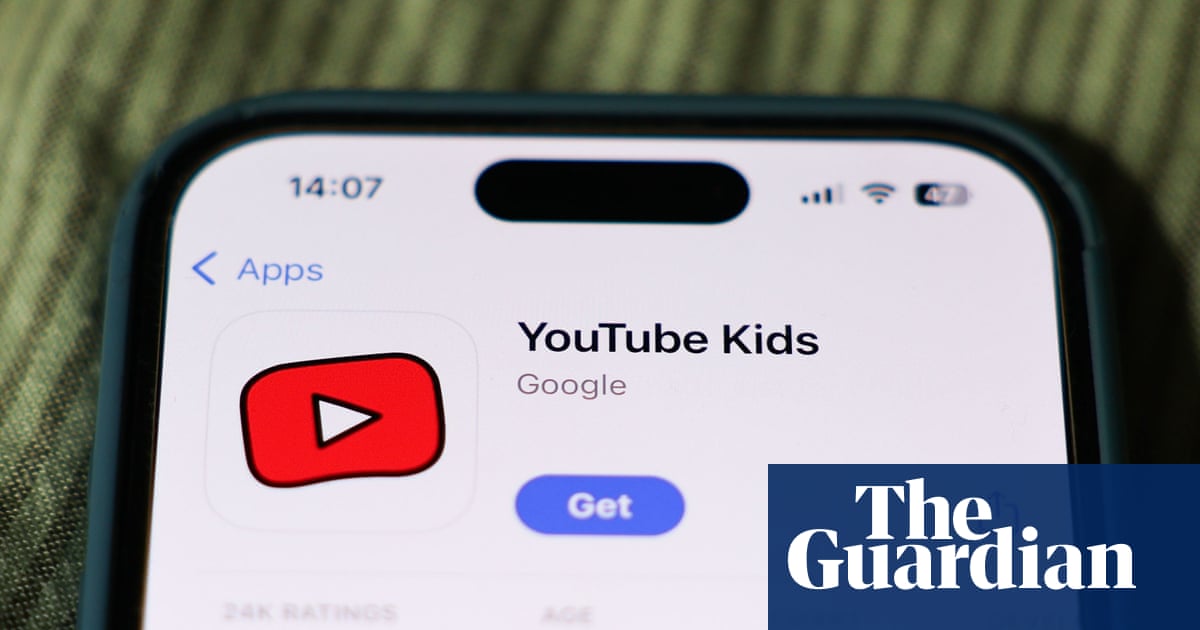
UK regulations being prepared for an under-16 social media ban could apply far beyond the services commonly understood as social networks, potentially including YouTube Kids, Lego Play, Spotify and eBay, according to sources briefed on the government’s proposals.
The government is seeking a framework that limits ways children might evade restrictions by moving to less obvious services. But the breadth of the working approach has raised questions for companies and industry groups over where the legal boundary will fall, particularly for platforms that use recommendation systems or host some form of user-generated content without primarily operating as social networks.
The Guardian reported that the measures under consideration could affect up to 150 platforms. The proposed ban is set to come into force in March, while the final scope remains under development.
How the proposed test is being framed
People briefed on the discussions said the government’s working proposal focuses on recommender systems and user-generated content. That framing could capture a very wide range of online products. Recommendation technology is used across entertainment, retail and information services, while user contributions can take forms ranging from comments to uploaded material and community features.
One source close to the talks said the regulations could inadvertently result in YouTube Kids and other sites thought to be exempt being included. The same source said the potential reach could extend to game-related services such as Lego Play.
Spotify was cited as another example of a platform that could technically come into scope under the working proposal. The streaming service includes recommended music and podcasts, as well as some user-generated content. It has sought reassurance that it would not be treated as a platform subject to a ban because it is not primarily social media.
eBay was also named by industry sources as a service that lacked clarity under a framework based on broad technical features rather than a narrower category of platform. The report does not say these companies will definitely be covered. Instead, it describes a live policy process in which the final regulations and detailed guidance have yet to settle that question.
Government aim: prevent workarounds
Ministers are understood to favour a catch-all approach because a tightly defined list of social media services could be easy to bypass. Critics of Australia’s social-media prohibition for young people have argued that teenagers can switch platforms or use seemingly innocuous sites to communicate in new ways.
The UK’s online safety minister, Ian Murray, said platforms must prevent harms created by algorithms, recommender systems or conversations with strangers. That concern helps explain why the policy discussion is not limited to familiar social feeds and messaging apps.
Yet a broad definition creates its own implementation problem. A service can recommend products, music, videos or information without being designed for social interaction. Likewise, hosting user contributions does not necessarily make a platform a general-purpose social network. The resulting challenge is to write rules strong enough to deter evasion while remaining sufficiently precise for companies, parents and regulators to understand.
Industry seeks clearer boundaries
One industry source said companies shared the goal of protecting teenagers online but argued that the proposals must be workable. In that source’s view, it would be unsustainable for services such as eBay, Lego, YouTube Kids and Spotify to remain uncertain whether they needed to comply. The source called for detailed guidance.
Another industry source said that recommender systems are widespread across the internet and characterized the draft direction as too broad. At the same time, the source said the government wanted the regulations to be broad and legally robust enough to prepare for possible workarounds.
These comments identify a practical tension in the proposal. A feature-based test may be harder to game than a named list of services, but it can leave businesses facing uncertainty if ordinary product features are treated as triggers for a youth-access restriction. The eventual legal text and accompanying guidance will determine whether the rules distinguish between different kinds of recommendation, different forms of user content, or the wider purpose of a service.

What happens next
The regulations were expected to go to cabinet for signoff during the week of the report. Culture secretary Lisa Nandy was expected to lay them before parliament in December. Companies were also expected to receive briefings on the final proposal from the Department for Culture, Media and Sport and No 10 in the following days.
Until the final proposal is released, the accounts from briefed sources describe possible scope rather than confirmed obligations for named platforms. The central policy decision is nonetheless already clear: the government is considering rules that look at how online services operate, not simply what they call themselves.
That approach may strengthen enforcement against services designed to replicate social-media functions under another label. It may also force a more detailed public debate over which online features create the risks the ban is meant to address, and where the limits of a proportionate regulatory definition should sit.
This article is based on reporting by The Guardian. Read the original article.
Originally published on theguardian.com