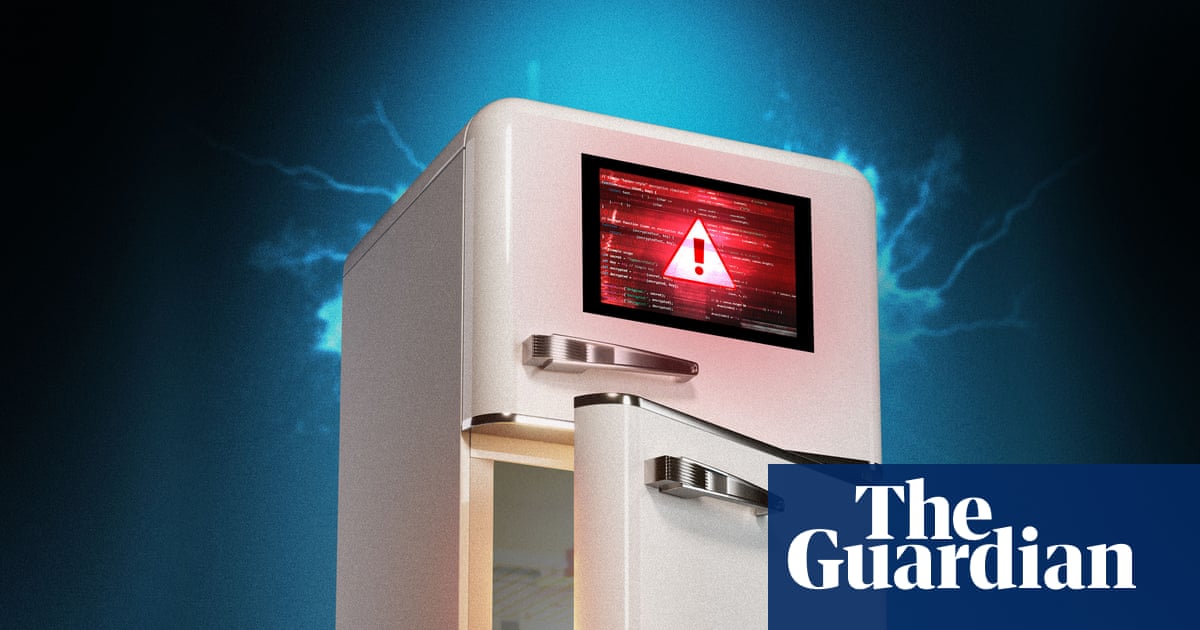
A cluster of reported cyber incidents has put a stark question in focus: how exposed are ordinary services when their connected systems are compromised?
In recent days, the effects described by the Guardian ranged from refrigeration controls at food businesses to a false nuclear-strike alert in Kyiv and a multibillion-dollar theft from the cryptocurrency exchange Binance. The incidents differ in target and consequence, but together they illustrate how digital attacks can cross from screens and data into everyday operations, public information and financial systems.
UK National Cyber Security Centre chief Richard Horne warned that the world may be in the “foothills” of a new hacking landscape. His concern, as reported, is that AI technology is exposing flaws in IT systems and that a large volume of vulnerabilities is waiting to be exploited.
When refrigeration becomes a cyber concern
One of the most tangible examples involved connected refrigeration units. Alex Pearce, who runs a fruit and vegetable wholesale business in London, noticed defrost indicators on several units and saw a panel display a reading of 150C. He disconnected the equipment’s internet connection after suspecting a cyberattack.
The same day, retailers in Belgium, Estonia, Ireland, Finland, Luxembourg, the Netherlands and Sweden reported similar problems. In some shops, refrigerators and freezers reportedly rose as high as 50C, or 122F. French blood banks were also among those affected.
The incident shows why connected operational technology cannot be treated as a distant IT issue. Refrigeration is part of the physical infrastructure that protects food and temperature-sensitive supplies. A malfunctioning system can spoil stock, halt business activity and, in the account from Pearce, create fears of fire if a problem is left undetected.

The immediate response in his case was simple: unplug the link to the internet. But the larger lesson is not that every connected device should be disconnected. It is that businesses must understand which equipment is online, what happens when it receives faulty or malicious instructions, and how operators can safely take control when something looks wrong.
Three attacks, different kinds of disruption
The refrigeration attack was one of three incidents highlighted over a short period. On 30 October, Binance, described as the world’s largest cryptocurrency exchange, was robbed of $6.3bn in a record heist. On 1 November, attackers targeted Ukraine’s emergency alert app and sent people in Kyiv a false warning of a nuclear strike.
These events demonstrate very different attack surfaces. A crypto theft is principally a financial loss, though one with broader implications for confidence in digital asset systems. A false emergency warning operates in a more immediate psychological and civic space, where misinformation can trigger fear and confusion. A compromise affecting refrigeration systems can interfere with equipment people depend on to operate safely.
None of those incidents should be collapsed into one simple story. Their technical circumstances, responsible parties and remedies may be quite different. What connects them is the way digital intrusion can alter the availability or reliability of systems that people assume will function.
AI and the volume problem
Horne’s warning was not framed only around dramatic individual attacks. The short-term risk, he said, is a huge rise in the volume of incidents. The concern is that AI tools can help expose weaknesses in IT systems, leaving organizations with more potential entry points to defend.

That framing shifts the emphasis from predicting one spectacular event to preparing for frequent disruption. For a retailer, manufacturer, hospital-linked supplier or public-service operator, a less dramatic incident can still be costly if it interrupts systems, forces a shutdown or undermines trust in alerts and communications.
The Guardian reported that websites around the world were temporarily taken out of service as a precaution last month when AI technology was involved. The broader warning is that organizations may make defensive choices that affect availability even before an attack directly reaches them.

Resilience is an operational issue
The reported fridge episode also highlights the value of people who know how a system normally behaves. Pearce noticed an abnormal signal during his morning rounds and acted quickly. That does not replace cybersecurity controls, but it shows why technical resilience and operational awareness belong together.
Connected systems need more than a network connection and remote access. They need clear procedures for unusual readings, a way to isolate equipment when necessary, and confidence that staff can identify who is responsible for responding. The practical stakes are particularly high when digital controls sit close to food storage, health-related supplies, transport or public warning systems.
The incidents described in the report do not establish that every connected device is unsafe. They do show that the consequences of a compromise are expanding as more physical services become networked. Horne’s “foothills” metaphor captures the uncertainty: the visible disruptions may be early signs of a much larger problem, or a warning that defenses must improve before that problem takes hold.
For now, the common thread is clear. Cybersecurity is no longer only about confidential data and office computers. It increasingly concerns the systems that cool food, transmit emergency messages, move money and support the normal functioning of daily life.
This article is based on reporting by The Guardian. Read the original article.
Originally published on theguardian.com