Fossil teeth add a new branch of uncertainty to human history
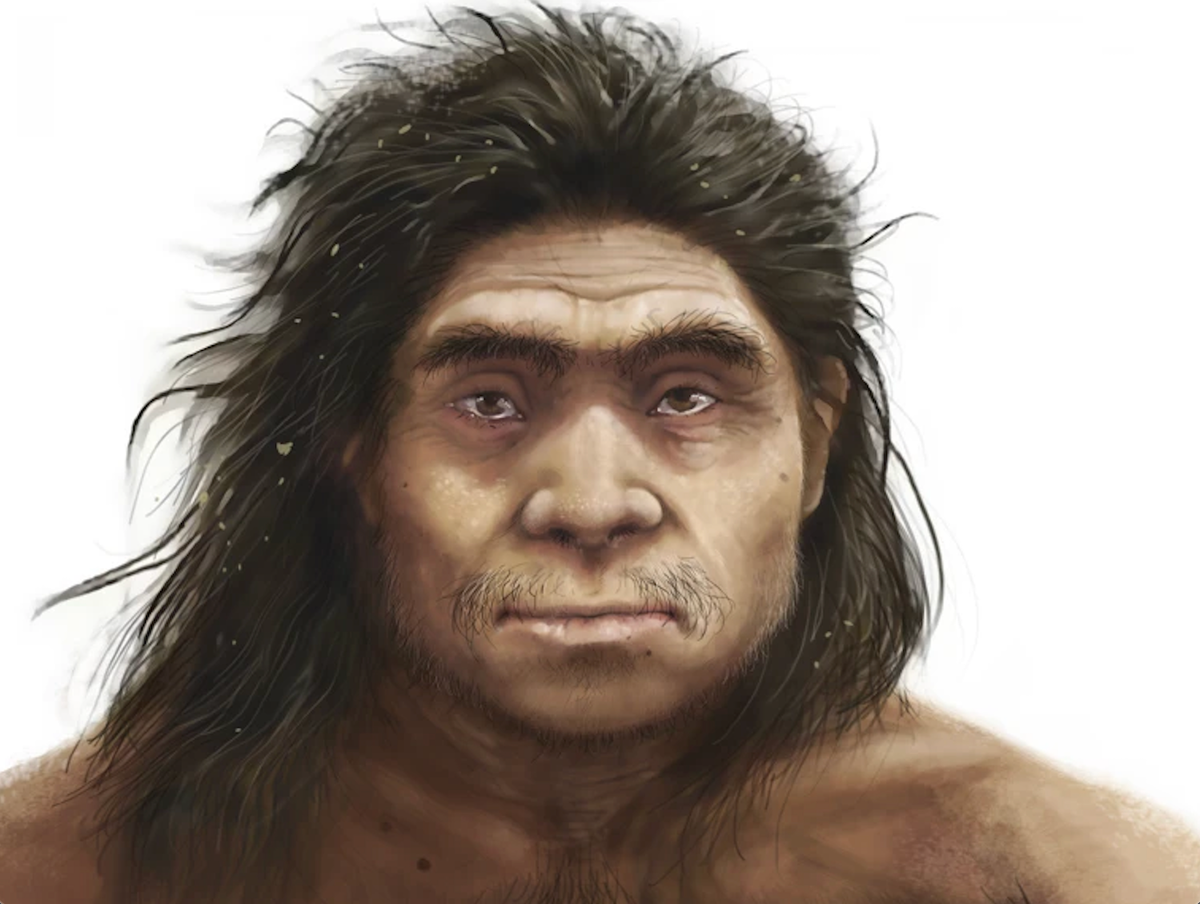
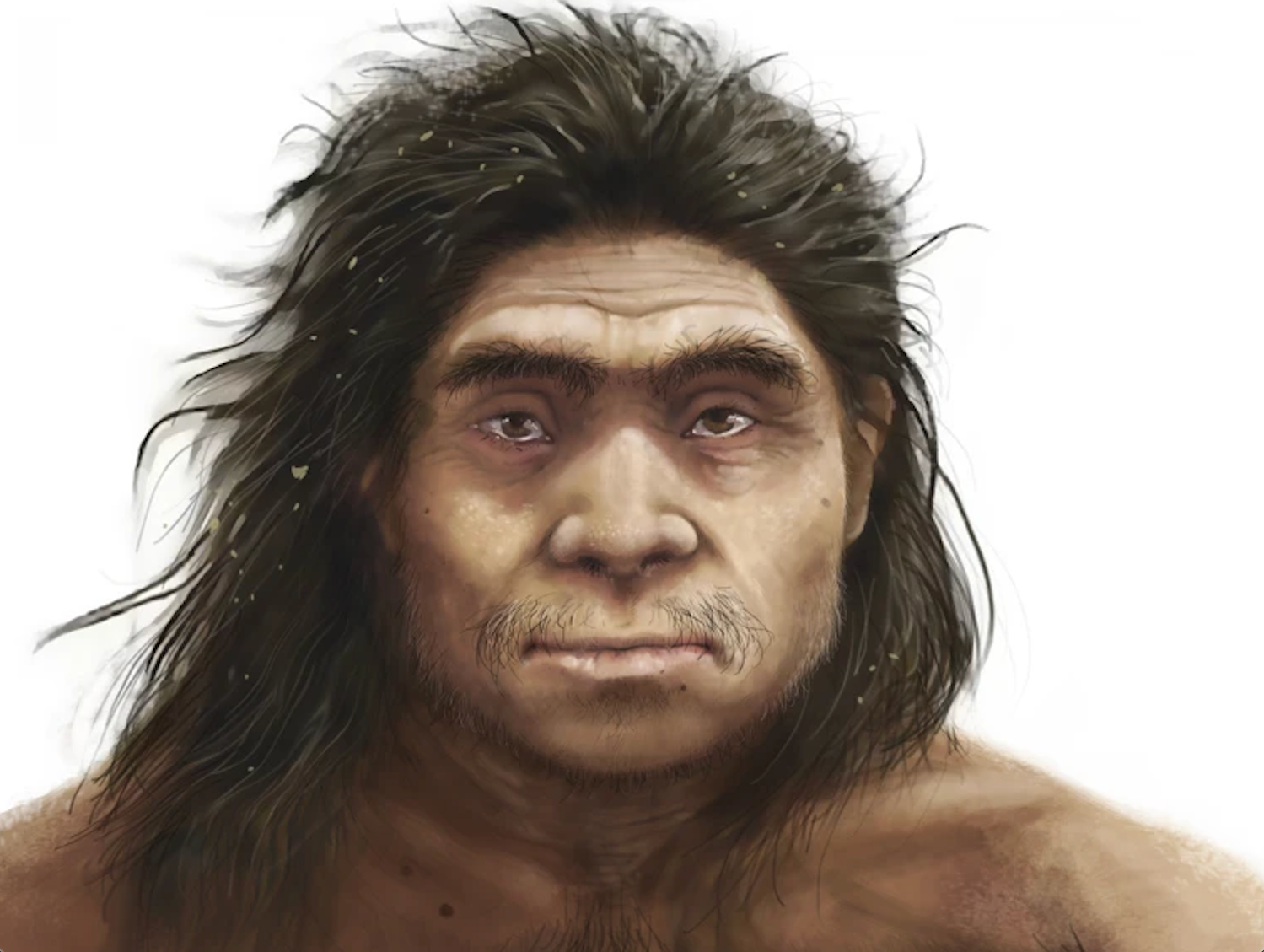
Scientists studying hominin teeth from southern China have found evidence that the region hosted more than one archaic human population around 100,000 years ago. Some of the teeth are likely associated with Denisovans, but another group of specimens does not fit known hominin lineages, according to research discussed in a new report.
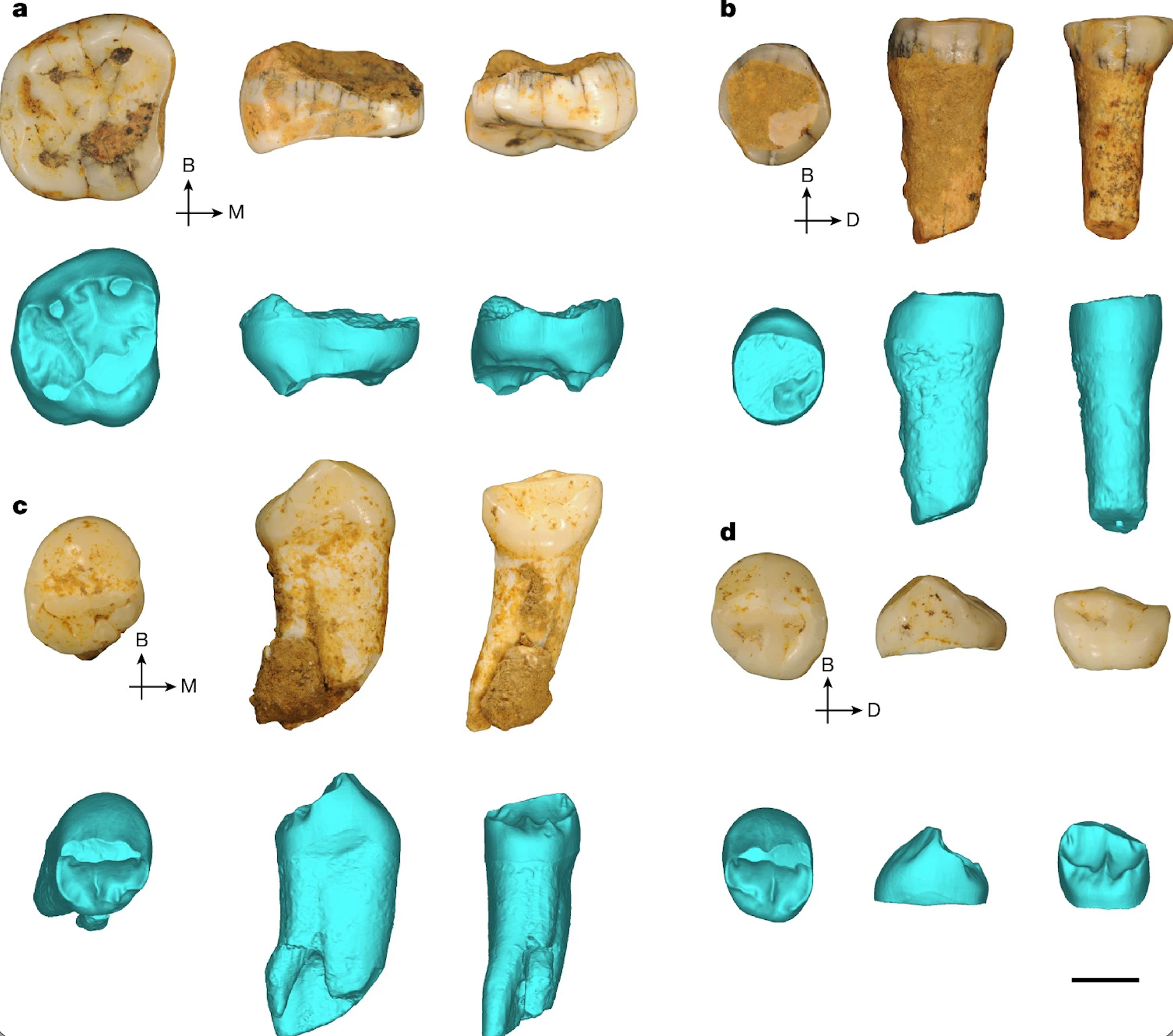
The unresolved teeth were recovered from Chuanshandong cave in Guangxi, a subtropical region of southern China. Researchers compared their shape and preserved proteins with those of known hominins and concluded that the specimens do not match Neanderthals, Denisovans or Homo sapiens. The result does not establish a newly named human species, but it raises the possibility that the teeth belonged to an as-yet unidentified archaic Homo lineage.
Two cave sites, different signals
The study focuses on material from two cave sites: Longchuandong, in Luzhai, and Chuanshandong, in Long’an. Both are in Guangxi, where warm and humid conditions make long-term fossil preservation especially difficult. That scarcity has limited scientists’ understanding of which ancient human groups occupied mainland East Asia during the Middle-to-Late Pleistocene transition.
The teeth from Longchuandong likely belonged to Denisovans, the lineage that split from Neanderthals about 400,000 years ago. The Chuanshandong material produced a more complicated result. Its dental features and protein evidence did not align with currently recognized hominin groups examined by the team.
That distinction matters because it indicates the region may not simply have been a place where one known archaic lineage lived. It may have been home to multiple populations with different evolutionary histories.

Why teeth can carry so much evidence
Teeth are among the most durable remains in the hominin fossil record. Their structure can preserve clues to ancestry long after softer biological material has disappeared. In this case, the team used both the form of the teeth and preserved proteins to assess where the specimens might belong in the human family tree.
The researchers also used virtual reconstruction of the enamel-dentine junction, the internal boundary between tooth enamel and dentine. That approach lets scientists investigate informative internal morphology while protecting fragile fossils. Taken together, the lines of evidence did not yield a secure placement for the Chuanshandong teeth among the familiar categories of Neanderthals, Denisovans and modern humans.
The appropriate conclusion is therefore unresolved rather than definitive. The study suggests the remains could represent a new form of extinct archaic human, but the available evidence has not assigned them to an established species or lineage.
A fuller picture of East Asia’s ancient populations
Only Homo sapiens survives today, but the genus Homo once included a much wider array of populations. Neanderthals and Denisovans are the best-known recent examples, and both disappeared tens of thousands of years ago. The fossil record still leaves large gaps, particularly in regions where environmental conditions work against preservation.
Southern China is one such region. The research team notes that the limited number of hominin fossils from subtropical areas has hampered efforts to map Denisovan distribution and assess whether other Homo lineages were present in mainland East Asia. The Guangxi teeth provide evidence that the question is more complex than a simple one-lineage account.
The study’s authors conclude that subtropical southern China may have hosted multiple populations of archaic Homo during the Middle and Late Pleistocene. That conclusion incorporates the likely Denisovan material from Longchuandong and the unresolved Chuanshandong teeth, while leaving open the evolutionary identity of the latter.
What the finding does and does not show
The discovery is significant because it identifies physical evidence that does not readily fit the known groups used to organize recent human evolution. It also gives researchers a focused set of specimens and methods for further investigation.
But it does not, on its own, prove that a completely new species has been identified. “Unresolved” is a meaningful scientific category: it acknowledges that the fossils differ from the available comparisons while recognizing that more evidence is needed to determine their relationship to other ancient humans.
Additional finds from southern China, along with further analysis of the teeth already recovered, could help clarify whether the Chuanshandong population represents an unknown lineage, a poorly documented branch related to a known group, or a more complex population history. For now, the fossils underscore how incomplete the record remains and how much of ancient human diversity may still be waiting in places where preservation is least forgiving.
This article is based on reporting by 404 Media. Read the original article.
Originally published on 404media.co