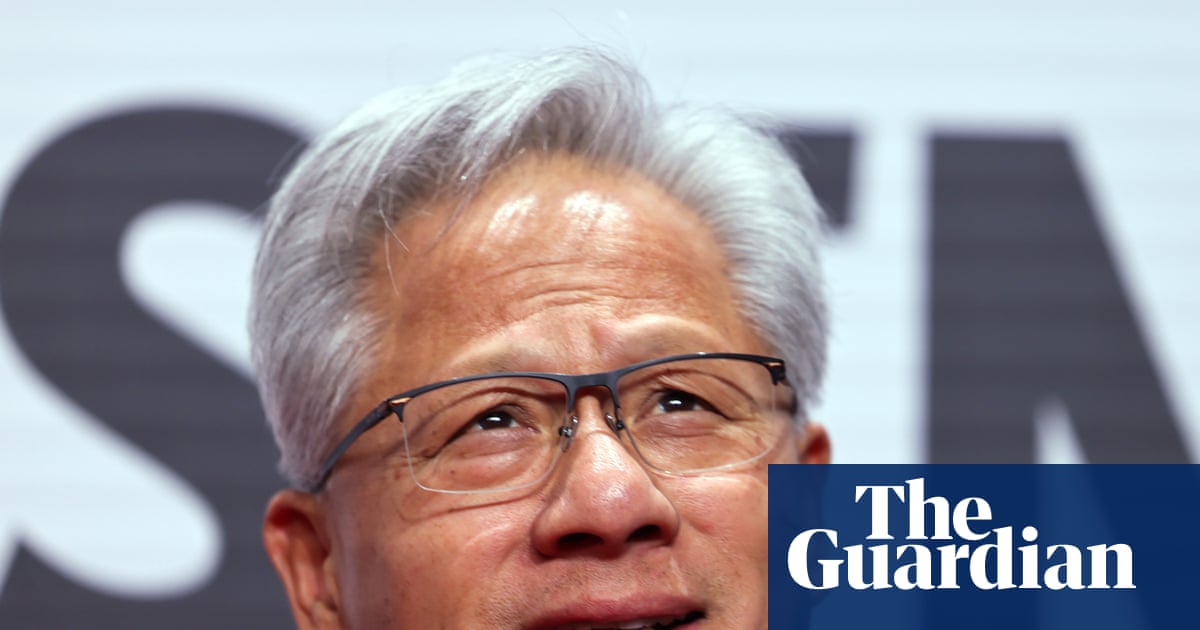
Nvidia has reinstated co-founder Jensen Huang as its chief executive, reversing the chipmaker’s earlier decision to remove him after reports of extramarital affairs, including one involving a businesswoman US authorities suspect of spying for China. Nvidia said its board voted unanimously to restore Huang as president, chief executive officer and board director.
The reversal returned the company’s best-known leader to the helm less than two weeks after his resignation on 12 November. Huang has led Nvidia through its transformation from a video-game chip designer into the dominant supplier of processors used in the artificial-intelligence boom.
Board cites leadership and government input
In a statement, Nvidia said directors had held discussions with Huang and were satisfied with his candor and ability to lead the company. The company also said it had received input from senior levels of the US government and was confident that Huang’s reinstatement posed no national-security risk.
The board said an independent investigation into allegations that Huang was the target of a Chinese intelligence operation would continue to its conclusion. The reports cited by the source include an alleged relationship with a woman US authorities suspect of spying for China; Beijing denies the allegation.
Harvey Jones, Nvidia’s chair, said the board believed Huang was the right person to lead the company and that bringing him back served the interests of stockholders, employees, partners and customers. Huang said he was honored to return and lead Nvidia at the start of what he called a new industrial revolution.
Markets react sharply
Investors responded immediately. Nvidia shares rose 33% in New York trading after the announcement, adding more than $1 trillion to the company’s market value, according to the report. The reaction reflected the central role Huang has played in Nvidia’s strategy, product roadmap, customer relationships and ties to Washington.
The sudden market move also underlined how closely Nvidia’s identity has become associated with its founder. The company sits at the center of a period of exceptionally high demand for AI computing infrastructure, and Huang has been a prominent public representative of the companies building and buying that capacity.
President Donald Trump had called for Huang’s return before the board’s decision. Trump said the country needed Huang’s leadership and said the US government had no evidence that Huang had engaged in unlawful conduct. Nvidia said the government input helped inform its assessment that his return did not create a national-security concern.
An exceptional governance reversal
The decision marks a sharp reversal because Nvidia’s board had days earlier ruled out Huang’s return, according to the report. Reinstatement restores continuity at a company whose business decisions influence a much wider AI supply chain, from cloud providers and data-center operators to software developers and research organizations.
It does not, however, close the investigation. Nvidia has said the independent inquiry will proceed, leaving unresolved questions about the allegations and the company’s handling of them. The board’s action instead establishes its immediate conclusion that Huang can resume leadership while that process continues.
- Nvidia unanimously reinstated Huang as president, CEO and board director.
- The company said an independent investigation will continue.
- Nvidia said it received input from senior levels of the US government.
- Shares rose 33% after the announcement, according to the report.
For Nvidia, the return places its long-serving founder back in charge during a consequential period for AI hardware. The company must now balance the operational value of that continuity with the scrutiny created by the still-open investigation. The board’s statement makes clear that, for the moment, it sees Huang’s leadership as central to managing both the company’s commercial position and its broader responsibilities.
This article is based on reporting by The Guardian. Read the original article.

Originally published on theguardian.com