Effort for a binding mandate fails
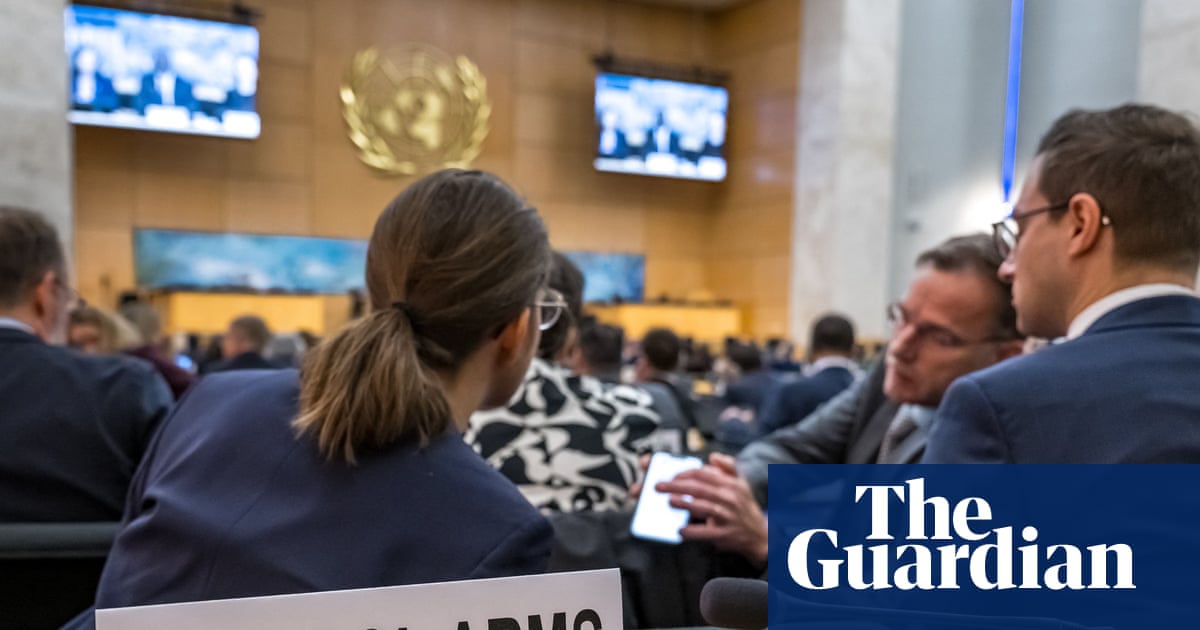
International talks aimed at controlling autonomous weapons have ended without agreement on a negotiating mandate for a legally binding treaty. The week-long discussions took place at the UN's Review Conference on Conventional Weapons in Geneva and ran into the early hours of the final day.
According to the account of the negotiations, an overwhelming majority of states at the conference wanted a mandate that could lead to a binding treaty. But the forum operates by consensus, allowing objections from a single party to block such an outcome. The conference ultimately adopted a substantially weaker option.
Instead of launching negotiations toward a binding protocol, the adopted mandate asks countries to “elaborate by consensus” an instrument that may not carry legal obligations. The result preserves a process for further discussion, but it does not deliver the treaty framework sought by more than 100 states.
Consensus rules shaped the result
The Convention on Certain Conventional Weapons, or CCW, has 128 parties and requires unanimous agreement to pass a statement. That high threshold was central to the collapse of the more ambitious proposal.
Russia led objections during the meeting, using stalling tactics from the opening day, according to the report. Other military powers that have invested heavily in AI warfare were also reluctant to commit to a legally binding protocol intended to protect civilians from robot drones and other autonomous weapons.
The United States argued that the need for human control over autonomous weapons had been discussed in meetings between President Xi Jinping and President Donald Trump that week. But it did not commit to a binding treaty. Some countries maintained that existing international humanitarian law was sufficient, while states pressing for a new instrument argued that autonomous weapons create distinct challenges.

A split among states developing AI-enabled weapons
The negotiations did not divide simply between states seeking regulation and states opposing it. European and NATO states, including Ukraine, as well as China and Iran, expressed support or willingness for a new protocol. At the same time, several defense technology powers exploring AI-enabled weapons resisted being bound by a new law.
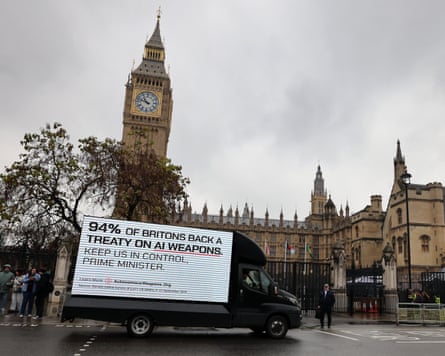
South Korea, Japan, Turkey, the United Kingdom, France and Germany were among the countries described as favoring a nonbinding agreement instead. Their position reflects the tension at the heart of the talks: many states acknowledge the importance of human control and civilian protection while remaining unwilling to accept a treaty that would create new legal obligations.
The practical consequence is that the CCW has not produced the binding negotiating mandate sought by its proponents. The adopted language leaves states with a consensus-based process whose eventual legal force is uncertain.
Why the forum's record is under scrutiny
The CCW's consensus requirement has repeatedly limited its ability to make new rules. The report notes that the convention has not passed new laws regulating weapons in the past 30 years. When that forum has failed, states have sometimes pursued treaty pathways elsewhere; the 2008 ban on cluster munitions is cited as an example.
That history now matters for autonomous weapons. The collapse in Geneva does not end international concern about the systems, but it does demonstrate the difficulty of producing binding restrictions within a body where every participating state must agree. Countries seeking a stronger outcome may face renewed pressure to consider alternatives outside the CCW framework.
For now, the official process remains alive in a weaker form. Countries have agreed to continue elaborating an instrument by consensus, rather than agreeing to negotiate a legally binding treaty. That distinction will determine whether the discussions become a pathway to enforceable rules or remain a forum for continued debate.

The unresolved question of human control
The report places human control at the center of the policy dispute. Supporters of a new protocol argue that robot drones and other autonomous weapons raise challenges not adequately addressed by existing rules. Opponents of a binding agreement have argued that international humanitarian law already provides an adequate basis for regulation.
No new binding rule emerged from this conference. The failure leaves states with diverging approaches to AI-enabled weapons and no agreed treaty mandate to reconcile them. As military investment in such systems continues, the central issue will remain whether future negotiations can move beyond a consensus process that has already prevented the adoption of a stronger mandate.
This article is based on reporting by The Guardian. Read the original article.
Originally published on theguardian.com