Seabirds offer a new view of activity at sea
Researchers have used audio recorders attached to seabirds to identify encounters with ships that were not broadcasting their positions through the Automatic Identification System, or AIS. The work, reported in Science Advances and described by 404 Media, points to a potential new way to assess where fishing vessels overlap with vulnerable bird populations.
AIS is an open broadcasting system that can make vessel positions visible in near-real time. Ships may switch it off for legitimate reasons, including security concerns, but a missing signal can also complicate efforts to understand fishing activity and associated environmental risks. The study did not determine why individual vessels were not transmitting.
Listening for vessels
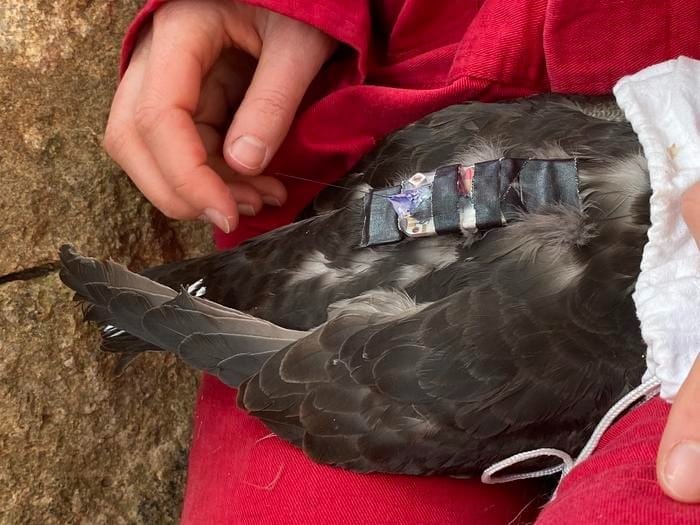
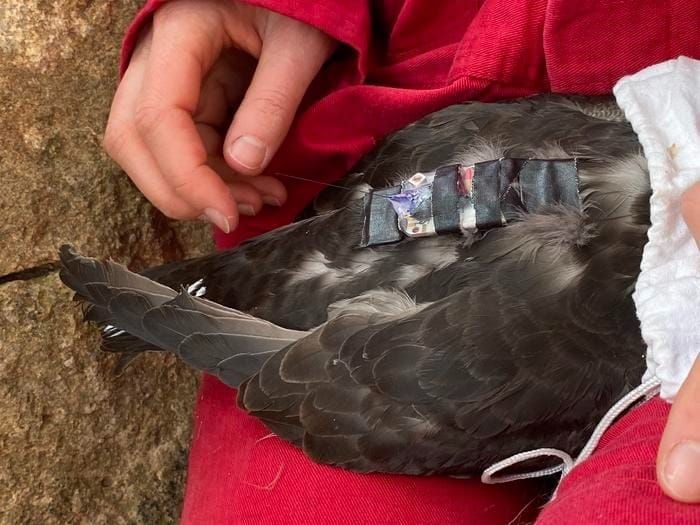
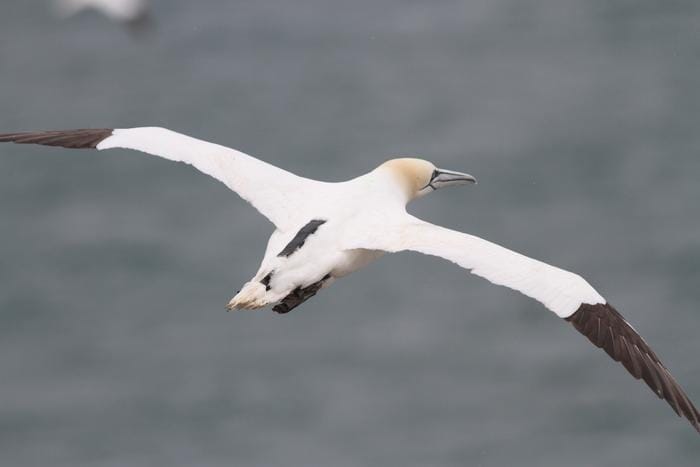
The team combined GPS tracking with sound recorders on three seabird species known to interact with fishing vessels: northern gannets, Balearic shearwaters and Westland petrels. Researchers then compared audio evidence of ships with AIS information for the corresponding time and place.
In the North Atlantic, about 32% of ship-related audio recorded by seven gannets was associated with vessels not visible in the tracking data, according to the report. In the Mediterranean, the equivalent figure was 12% for recordings from four shearwaters. A geolocation-device failure prevented a comparable estimate for the study’s Westland petrel observation in the South Pacific.

A tool for risk assessment
The finding does not establish that the unseen vessels were acting unlawfully. Its significance is that bird-borne sensors can document vessel interactions that conventional location data may miss. That could improve assessments of bycatch risk, in which seabirds are accidentally caught in fishing gear, and help researchers build a more complete picture of how commercial vessels and wildlife share ocean space.
The approach also shows how animal-borne instruments can complement ship-based monitoring. Rather than replacing AIS or enforcement systems, the recordings provide an independent environmental perspective: evidence gathered at the place and time birds encounter vessels.
What comes next
The reported sample was small, so the results should not be treated as a global estimate of untracked vessel activity. But the study establishes a method that could be expanded across species, regions and seasons. Larger datasets could help scientists identify locations where seabird-vessel interactions are common yet poorly represented in existing records.
For fisheries managers and conservation researchers, that information could be useful even without assigning motives to ships with absent AIS signals. Understanding where interactions occur is an important first step toward evaluating risks to birds and designing measures that reduce harmful contact with fishing operations.
This article is based on reporting by 404 Media. Read the original article.

Originally published on 404media.co