The Feathered Menace of Lochardil
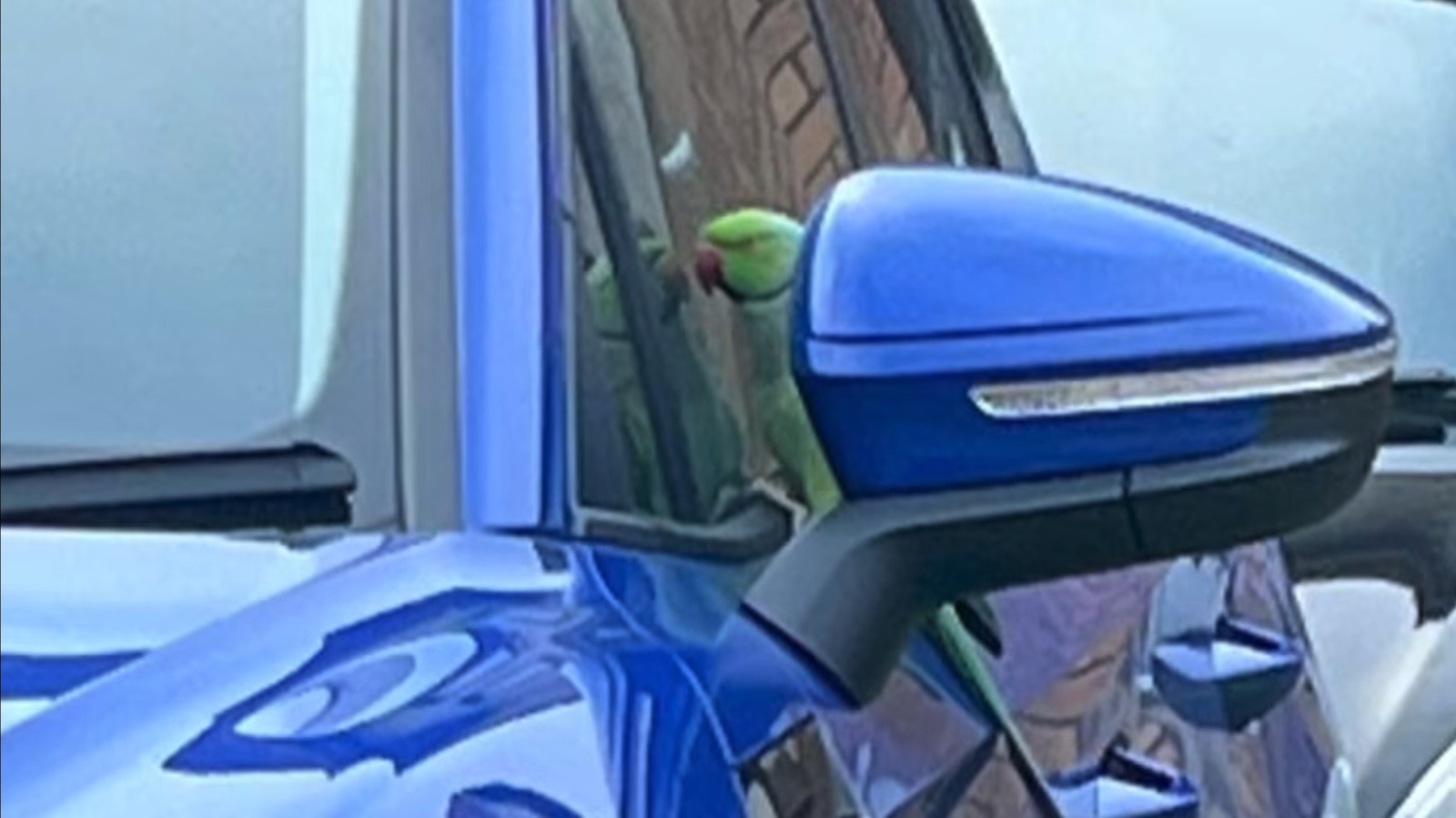
Residents of Lochardil, a quiet suburb of Inverness, Scotland, have found themselves in an unexpected battle with a small but determined adversary: a rose-ringed parakeet. The bird, described by locals as a "little green-feathered menace," has been systematically targeting parked cars, pecking at window seals and the rubbery parts of windshield wipers. The damage has already amounted to thousands of pounds, and the bird shows no signs of stopping.
According to reports from STV News and the BBC, the parakeet operates in stints, disappearing for a couple of weeks before returning to resume its destructive campaign. Residents have developed a warning system, alerting each other with shouts when the bird is spotted in action. The word "parakeet" has become taboo in the area, akin to "Voldemort" or "politics" in other contexts, reflecting the community's frustration.
An Unlikely Invasive Species
Rose-ringed parakeets are not native to Scotland. According to the Audubon Society, these birds are typically found in warmer climates, but a growing feral population exists in the UK, particularly in London and southeastern regions. The Royal Society for the Protection of Birds (RSPB) notes that the rose-ringed parakeet is the UK's only "naturalized parrot." However, sightings in the far north of Scotland are rare, leading experts to believe that the Lochardil parakeet is an escaped pet.
The bird's behavior has puzzled wildlife authorities. NatureScot, Scotland's nature agency, has offered several theories for why the parakeet might be eating or dismantling rubber car parts. One possibility is territorial behavior: the bird may be reacting to its own reflection in car windows, perceiving it as a rival. Another theory is nutritional: the rubber may contain fats and minerals that the bird craves. A third, less likely explanation is simple boredom—though as one observer noted, when the sky is not even your limit, boredom seems improbable.

The Rubber Attraction
There may be merit to the nutritional theory. Modern car manufacturers increasingly use natural products in rubber and plastic components. For example, soy-based materials are common in wiring sheathing, which is known to attract rodents like mice. It's plausible that the parakeet is drawn to similar compounds in window seals and wiper blades. The bird's persistent pecking suggests it finds something valuable in these materials, whether for taste or essential nutrients.
Residents have tried various methods to protect their vehicles, from covering them with tarps to using bird repellents. Some have shared innovative solutions with STV News, but so far, no method has proven effective. The bird's agility and determination make it a formidable opponent.
Limited Options for Residents
Despite the growing frustration, residents have limited recourse. The parakeet is classified as a wild bird, which means organizations like the RSPB and NatureScot cannot intervene directly. Under UK wildlife laws, it is illegal to harm or capture wild birds without special permits. As a result, the community is largely on its own in dealing with the problem.
Some residents have called for authorities to trap and relocate the bird, but such actions require approval and resources that are not readily available. The situation highlights the challenges posed by invasive species in urban environments, where human-wildlife conflicts can escalate quickly.

A Growing Problem?
The Lochardil parakeet is not an isolated incident. Across the UK, feral parakeet populations have been expanding, with reports of similar damage in other areas. In London, rose-ringed parakeets have been known to strip fruit trees and damage property. However, the scale of the car damage in Inverness is unusual, drawing attention to the adaptability and intelligence of these birds.
As climate change alters habitats, more non-native species may establish themselves in new regions. The parakeet's success in Scotland could be a harbinger of future ecological shifts. For now, the residents of Lochardil are left to cope with a persistent, clever, and seemingly unstoppable feathered foe.
Conclusion
The rogue parakeet of Lochardil has become a local legend, a symbol of nature's unpredictability and the challenges of living alongside wildlife. While the damage is frustrating, the story also serves as a reminder of the complex relationships between humans and animals in an ever-changing world. Until a solution is found, residents will continue to shout warnings and cover their cars, hoping the green menace eventually moves on.
This article is based on reporting by Jalopnik. Read the original article.

Originally published on jalopnik.com