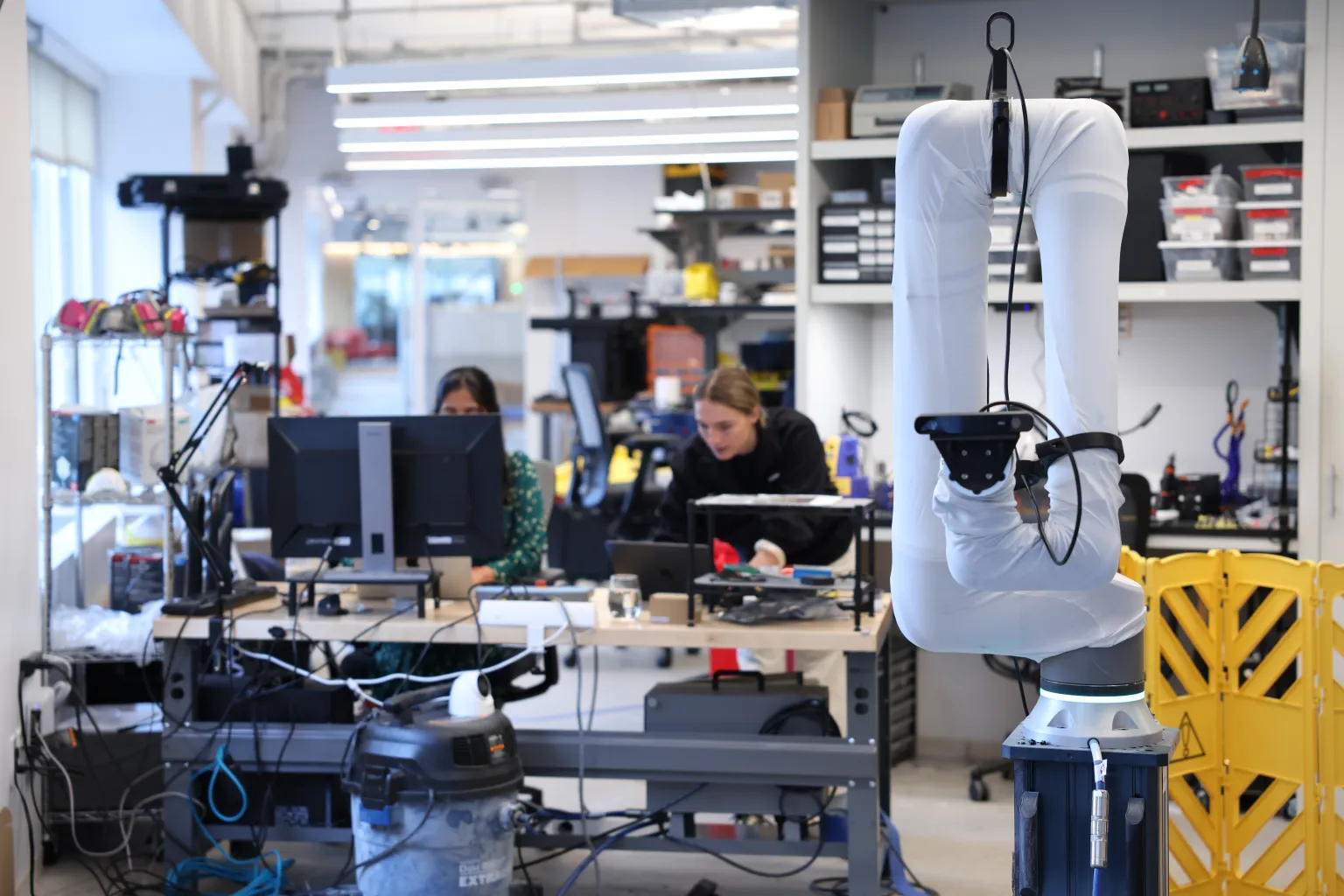
Viam launches an initiative aimed at the leap from robot prototype to business
Robotics company Viam has launched Viam Launchpad, an initiative intended to help startups move robots from early technical demonstrations into commercial deployments. The effort is aimed at a familiar problem across robotics: teams may have strong domain expertise and promising hardware, but still struggle to build the software, operating tools and deployment processes needed to turn pilots into durable businesses.
Viam describes its platform as a universal software abstraction layer for building and deploying hardware systems across enterprise fleets. The company calls the approach a “harness for physical AI,” positioning it as shared infrastructure for machines operating beyond the lab.
Launchpad is designed to provide software and engineering infrastructure to startups at that difficult transition point. The announcement arrives amid growing interest in “physical AI,” a term increasingly used for AI systems embodied in robots and other machines that interact with the real world.
The infrastructure gap in robotics
Robotics development is not limited to training a model or producing a prototype. A commercial fleet also needs capabilities for operating, observing and maintaining machines after they are deployed. Teams must be able to gather telemetry, diagnose problems remotely and manage machines in the field.
According to Viam co-founder Eliot Horowitz, many startups have historically faced years of research and development while also having to create substantial infrastructure before a project could become more than a science experiment. Horowitz previously served as co-founder and chief technology officer of MongoDB.
His argument is that a smaller team can move more quickly by using common platform capabilities instead of building every layer itself. Viam says such teams can prototype, iterate, deploy and pursue commercial opportunities on a faster timeline by using its tools and underlying software layer.
From pilots to fleet operations
The challenge Launchpad targets is often described as the gap between a pilot and a revenue-generating deployment. A robot can work in a carefully controlled demonstration while still being difficult to monitor, update and support across real customer sites.
Viam points to telemetry, remote debugging and fleet management as key building blocks for companies trying to make that transition. These functions are less visible than a robot arm or a computer-vision system, but they are central to running machines in varied conditions and maintaining them after installation.
The company says its platform has been used by startups including Gambit, Tennibot and Canyon Runner. Those examples are meant to show how a shared deployment layer could reduce the burden on small robotics companies that need to concentrate their limited engineering capacity on a differentiated application.
Gambit as an early example
Gambit was co-founded by Horowitz and entrepreneur Nicole Maffeo. The company began with a computer-vision-based cooking guidance platform and is now taking that work toward a more automated kitchen concept. Its described system includes two robot arms located in a range vent and intended to mix and stir recipes.
Maffeo said Viam’s engineering support and platform architecture had helped Gambit progress from initial hardware prototypes toward real-world deployments. She cited the combination of enterprise-grade infrastructure with adaptable custom modules, as well as operational tools for field use.
That example illustrates the broader thesis behind Launchpad: robotics startups may need a way to preserve customization at the machine and application level while relying on a more standardized operational foundation beneath it.

A bet on practical robotics
Viam’s initiative does not eliminate the hard work of building reliable machines for specific tasks. Robotics companies still face challenges involving hardware design, safety, integration and the economics of deployment. But the launch signals a bet that software infrastructure has become a decisive part of making robotics commercially viable.
For startups, the appeal is straightforward. If core infrastructure can be reused, teams may devote more of their time to the industry problem they are trying to automate rather than recreating fleet-management and deployment systems. Whether that translates into more lasting robot businesses will depend on execution in the field, but Viam Launchpad is directly aimed at that commercialization bottleneck.
This article is based on reporting by The Robot Report. Read the original article.
Originally published on therobotreport.com