Funding targets a larger industrial deployment push
Agile Robots has raised $500 million in Series F financing, bringing the robotics company’s valuation to $8.5 billion and its total funding to $2 billion, according to The Robot Report.
SoftBank Group led the round. NVIDIA, Hitachi Group, including Hitachi and Hitachi Ventures, and T.Capital also participated. Agile Robots said it will use the funding to increase production capacity, expand in key markets and accelerate development of robotics applications.
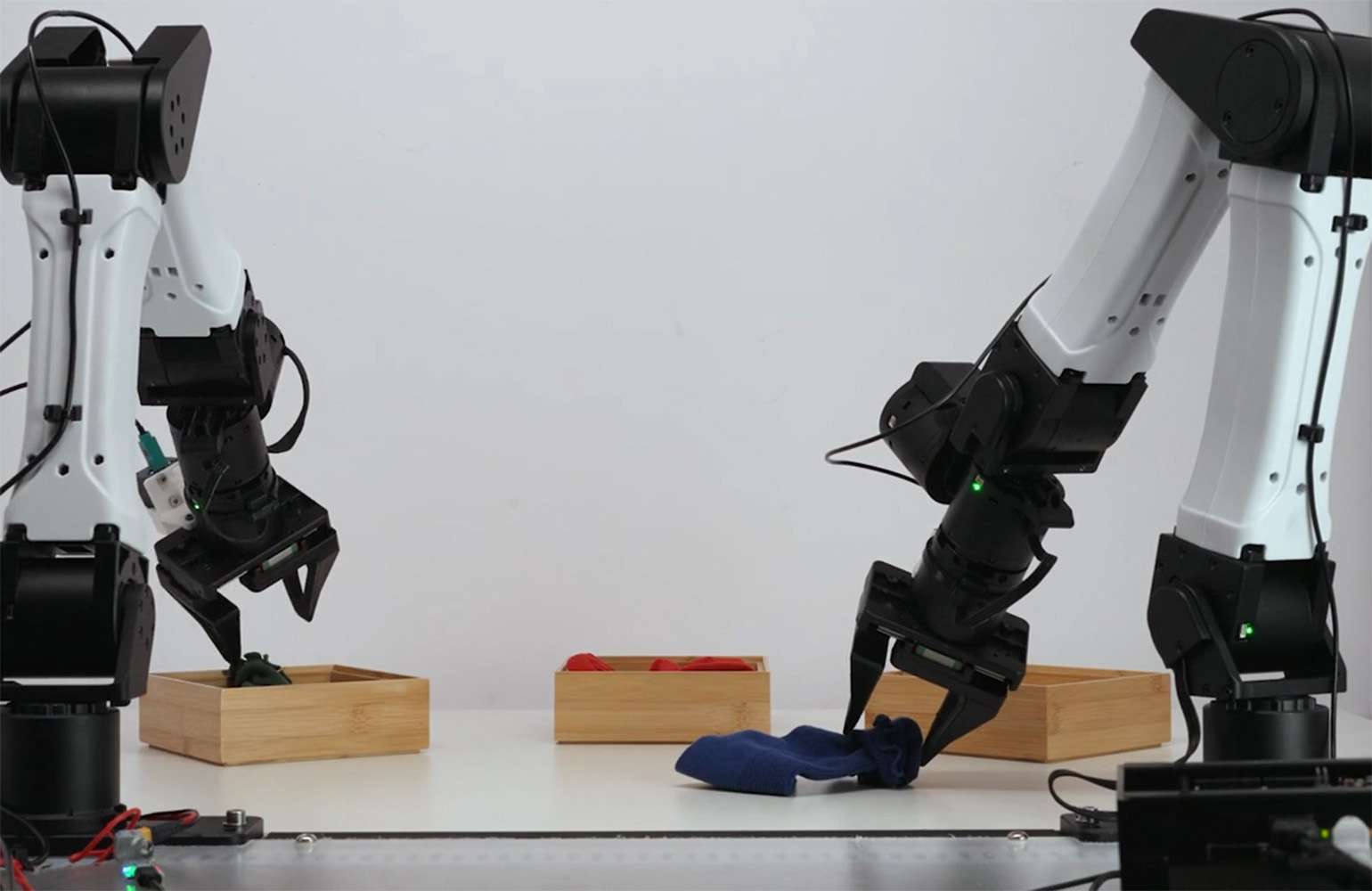
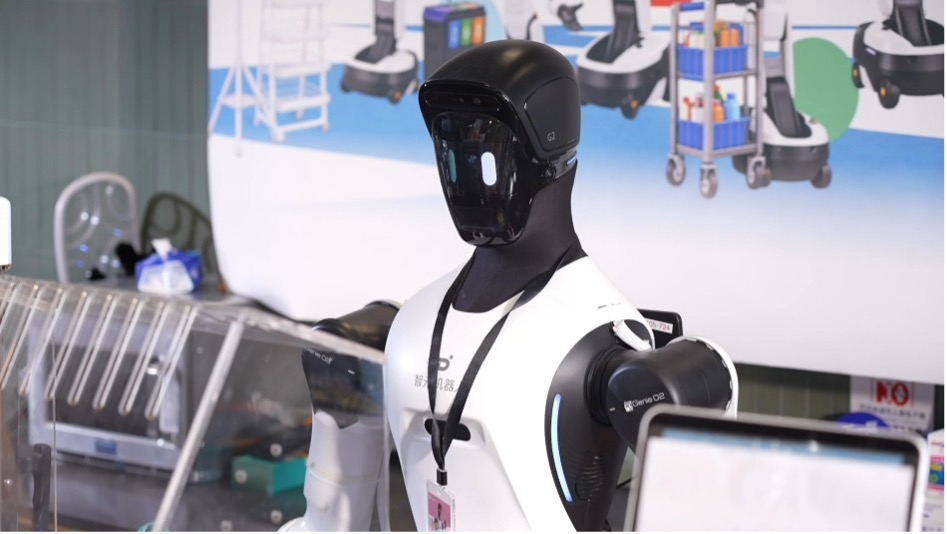
The company builds and deploys humanoids, mobile robots, robotic arms and robotic hands, along with the software and AI models that support them. It describes its focus as bringing “physical AI” into industrial production across logistics, automotive, electronics and manufacturing.
The financing is significant not simply because of its size, but because it is directed toward capacity and deployment. Robotics companies often face a difficult transition from demonstrations and pilots to repeatable industrial production. Agile Robots is positioning the new capital behind that transition, with plans to strengthen its presence in the United States and continue building production capability in Germany.
From robotics research to factory capacity
Founded in 2018 as a spin-off from the German Aerospace Center, known as DLR, Agile Robots now serves customers in automotive, consumer electronics, healthcare and service industries. Its product range spans several kinds of automation rather than a single humanoid platform, reflecting the range of tasks companies may want robots to perform.
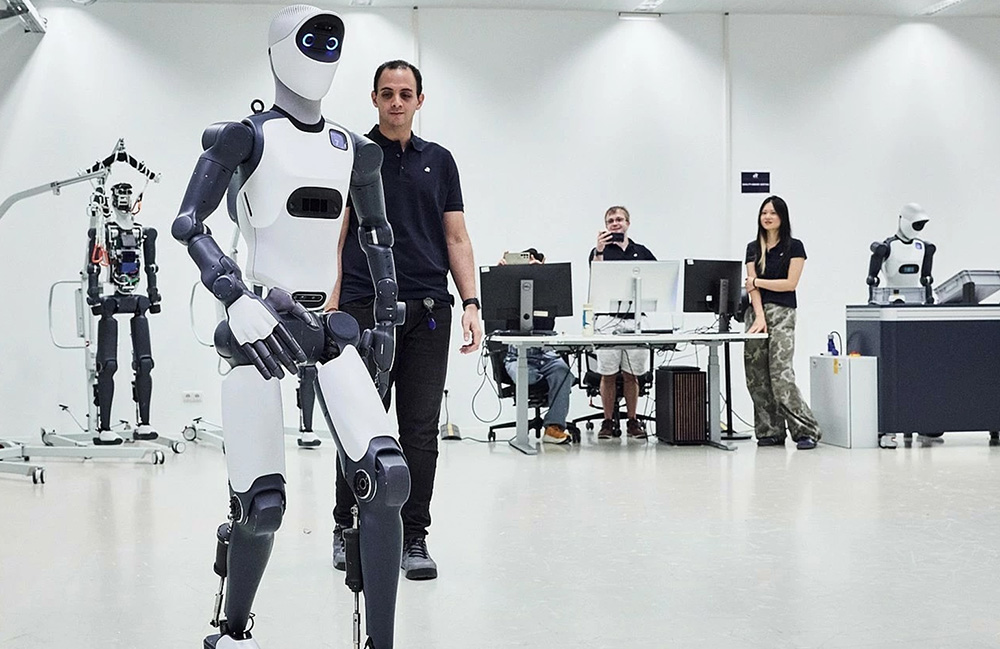
Earlier in 2026, the company opened a production site in Fürstenfeldbruck, near Munich. It said the facility has the capacity to produce up to 10,000 legged and wheeled humanoid robots each year. The newly announced funding is intended to further build out production capacity, including in Germany.
That stated capacity should not be read as a claim that 10,000 robots are already being produced or deployed annually. It describes the site’s production capability. The company’s announced use of the Series F money is to expand the ability to meet what it characterizes as rising demand.

Investors place a bet on physical AI
Agile Robots’ backers represent a mix of financial, semiconductor, industrial and technology interests. SoftBank Investment Advisers managing partner Dennis Chang said the firm believes physical AI will transform industries and pointed to Agile Robots’ combination of robotics expertise and industrial-scale execution.
For Agile Robots founder and chief executive Dr. Zhaopeng Chen, the company’s strategy is to move intelligent robots from laboratory development into factories and warehouses, where they would work alongside people. The funding, he said, will support global expansion, key-market presence and additional production capacity.
The phrase physical AI is commonly used to describe AI systems that perceive and act in the physical world through machines. In this case, the company is tying that ambition to practical industrial domains: moving goods, supporting manufacturing, automating portions of automotive and electronics work, and providing a mix of mobile and manipulator-based systems.
Humanoids are only part of the portfolio
The humanoid robot market has become a prominent symbol of the broader push to connect AI with physical work. But Agile Robots is pursuing a wider set of form factors, including robotic arms, hands and mobile systems. That breadth may matter in industrial settings, where different workflows can demand different machinery.
A wheeled mobile robot, for example, addresses a different class of task from a stationary arm or a legged humanoid. A robotic hand focuses attention on manipulation, while the company’s software and AI models are intended to link sensing, control and operation across its hardware. The supplied report does not specify particular customer deployments or operational performance figures, so the company’s expansion plans should be viewed as a production and market strategy rather than evidence of a single universal robot solution.
The Robot Report notes that Agile Robots is among more than 200 companies tracked in its humanoid robot database. That count illustrates how crowded the field has become, even as companies seek to differentiate through hardware designs, software capabilities, manufacturing scale and commercial availability.

The next challenge is execution
The round gives Agile Robots fresh resources to pursue its stated growth plans, but it also raises the stakes for execution. The company will need to translate capital into production capacity, applications and a larger market presence while operating across industries with distinct safety, reliability and integration requirements.
Its plan to strengthen its U.S. presence and continue expanding German production signals a geographically distributed approach. The investor group also connects the company to organizations with interests in AI hardware, industrial technology and large-scale investment.
For the robotics sector, the announcement is another indicator that investors are supporting companies focused on industrial automation as well as on highly visible humanoid concepts. Agile Robots’ stated objective is not solely to build robots; it is to deploy a portfolio of systems and the accompanying AI into real operational environments.
Whether that strategy succeeds will depend on how effectively it converts new capacity into working installations for customers. The Series F provides the funding for the next phase. Agile Robots is now making a clear claim about where it intends to use it: scale production, develop applications and expand physical AI into industrial markets.
This article is based on reporting by The Robot Report. Read the original article.
Originally published on therobotreport.com